Modern plumbing systems need piping materials that are durable, adaptable, and suitable for different installation environments. Stainless steel corrugated flexible pipe offers a practical solution where conventional rigid pipes may be difficult to route or connect.
Its corrugated structure allows the pipe to bend while maintaining a continuous metal wall. This flexibility can simplify plumbing layouts, reduce the need for additional fittings, and make connections easier in confined spaces.
Stainless steel corrugated flexible pipe is used in various water supply and plumbing applications. However, not every flexible metal hose is designed for the same purpose. Material grade, construction, pressure rating, connection type, and applicable standards all matter when selecting a product.
This guide explains how stainless steel corrugated flexible pipe works, where it is used, and what buyers should consider before choosing a suitable product.
1. What Is Stainless Steel Corrugated Flexible Pipe?
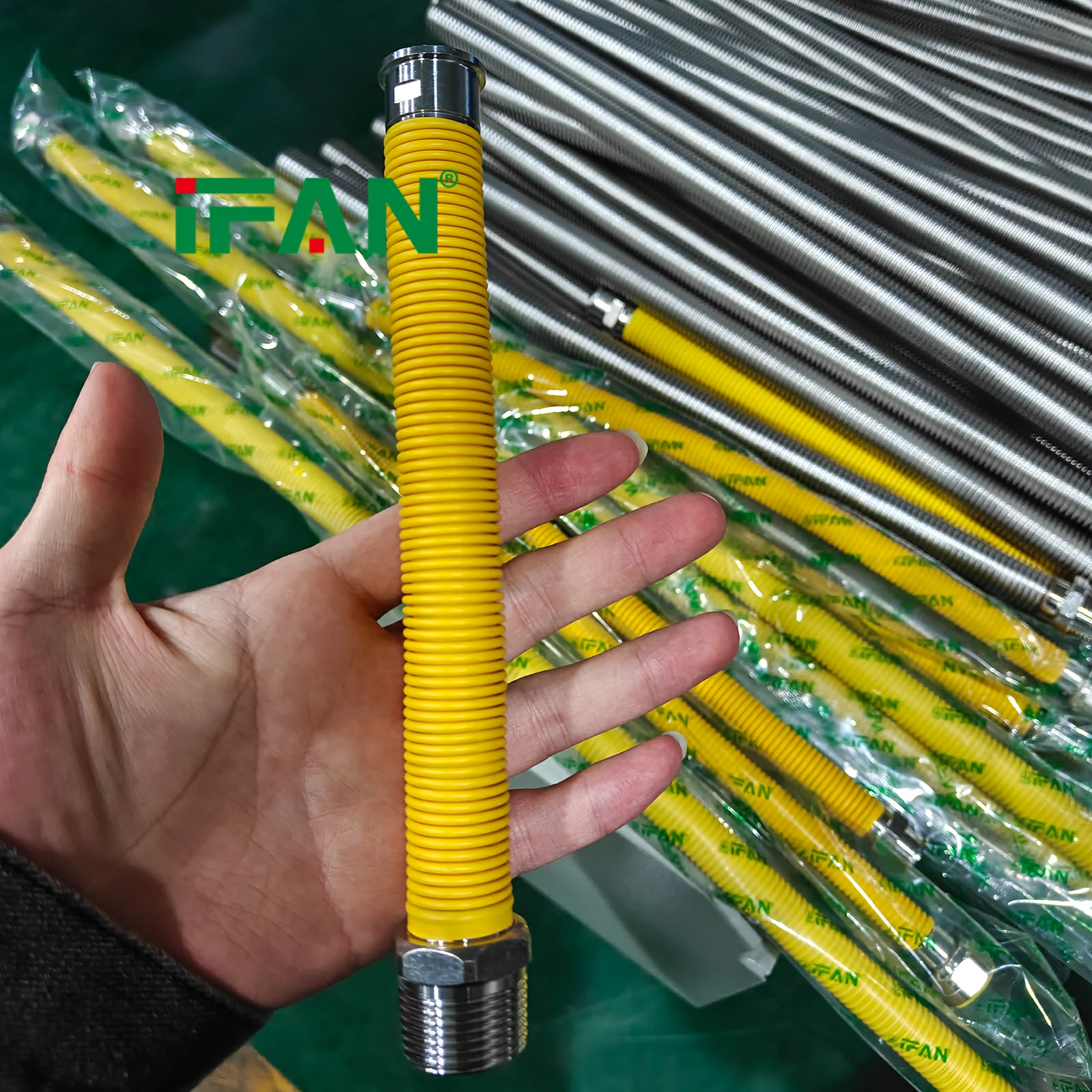
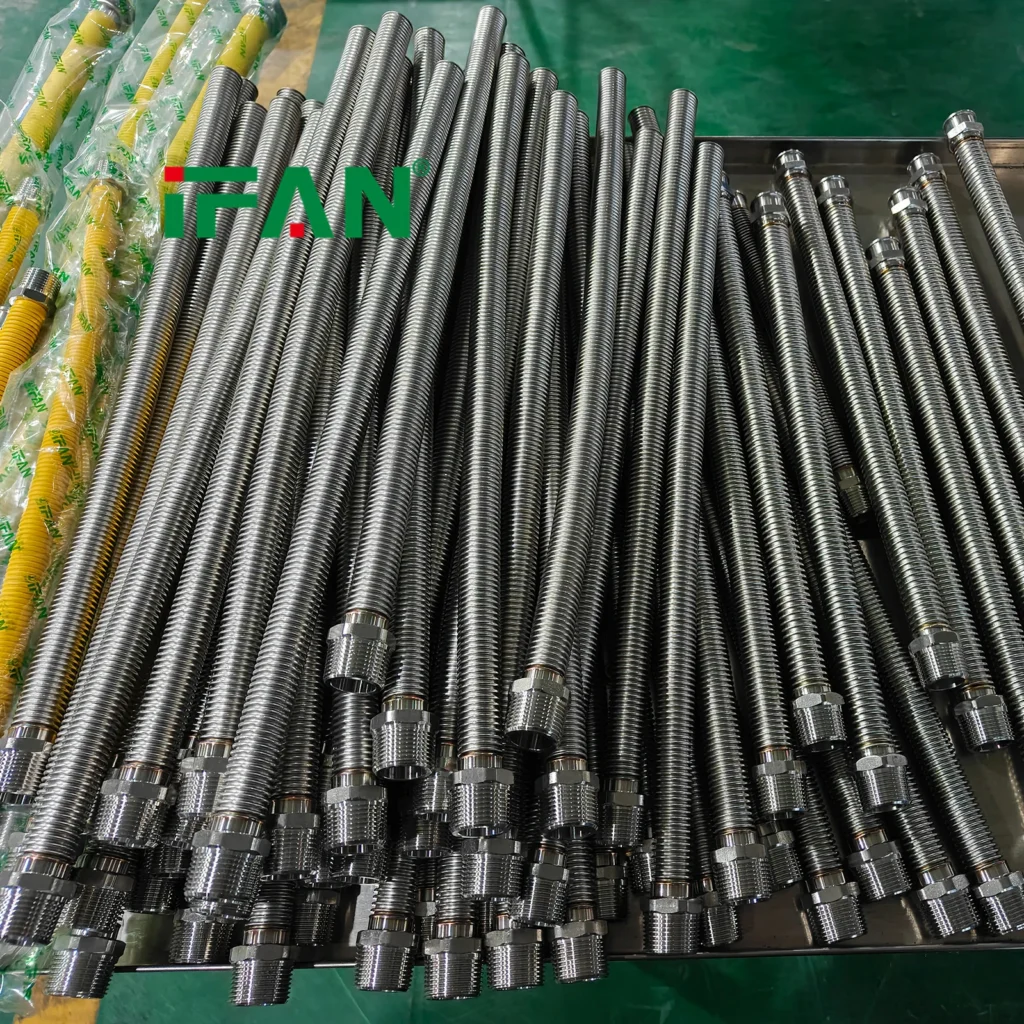
Stainless steel corrugated flexible pipe is a metal tube formed with a series of regular ridges and grooves along its length.
These corrugations allow the tube to bend and accommodate certain installation movements. Unlike a conventional rigid stainless steel pipe, it can follow curved routes without requiring a separate elbow at every change of direction.
The pipe is commonly manufactured from stainless steel grades such as 304 or 316, depending on the application and product design.
Different products may have different constructions:
- Single-wall corrugated stainless steel tubing.
- Corrugated tubing with an external protective braid.
- Corrugated tubing with a protective outer jacket.
- Flexible hose assemblies supplied with fixed end fittings.
These constructions are not interchangeable. A braided metal hose, for example, may be designed for different pressure, movement, or equipment connection requirements than a lightweight corrugated water supply tube.
Buyers should always check the manufacturer’s product specifications before selecting a pipe.
2. How Does the Corrugated Structure Work?
The main feature of this pipe is its corrugated wall.
The alternating ridges and grooves provide flexibility along the tube. This allows the pipe to accommodate bends and follow different installation routes.
The corrugated structure also helps accommodate certain movements caused by equipment vibration or thermal expansion. The actual movement capacity depends on the product design and installation conditions.
Some flexible metal hoses include an external stainless steel braid. The braid can help control pressure-related expansion and provide additional mechanical support.
However, not all corrugated plumbing pipes require an external braid. The correct construction depends on the intended service and the manufacturer’s design.
When evaluating a product, consider its flexibility, pressure rating, temperature range, and permitted movement.
3. Advantages of Stainless Steel Corrugated Flexible Pipe
Stainless steel corrugated flexible pipe offers several practical advantages for plumbing installations.
Flexible Routing
The pipe can follow curved installation routes more easily than rigid metal piping.
This is useful when connecting water distribution components, heating equipment, and plumbing fixtures in limited spaces.
Its flexibility can also reduce the number of direction-changing fittings required in suitable installations.
Corrosion Resistance
Stainless steel provides good corrosion resistance in many plumbing environments.
Grade 304 is commonly used for general applications. Grade 316 contains molybdenum, which improves resistance to certain forms of corrosion.
However, stainless steel is not immune to corrosion. Chloride concentration, water chemistry, temperature, and installation conditions can all affect material performance.
The appropriate grade should be selected according to the actual water quality and operating environment.
Reduced Installation Complexity
Flexible pipe can simplify connections where rigid pipe routing would require several elbows or additional sections.
Some products are supplied in coils or pre-assembled lengths. This can make handling and installation more convenient.
The actual installation time depends on pipe size, connection design, site conditions, and installer experience.
Durability
Stainless steel offers useful mechanical and corrosion-resistant properties.
When the pipe is correctly selected and installed, it can provide reliable service in suitable plumbing applications.
However, repeated bending, excessive twisting, sharp impacts, and operation outside the specified pressure or temperature range can shorten its service life.
4. Common Applications in Plumbing Systems
Stainless steel corrugated flexible pipe is used in different plumbing and mechanical systems. Its suitability depends on the specific product approval and technical specifications.
Domestic Water Supply
Some corrugated stainless steel tube systems are designed for domestic water distribution.
They can be used to connect water supply components and route piping through buildings.
For drinking water applications, buyers must confirm that the complete product system meets the applicable potable water requirements. This includes the tube, fittings, seals, and any other components in contact with water.
Water Heater Connections
Flexible stainless steel connections can be used in suitable water heating installations.
They help connect equipment to the building’s plumbing system while accommodating limited movement and installation differences.
The product must be rated for the operating temperature and pressure of the water heater.
Heating Systems
Some stainless steel flexible pipe products are suitable for heating equipment and related water circuits.
Their flexibility can help simplify connections around boilers, heat exchangers, and other equipment.
Check the manufacturer’s temperature limits and compatibility requirements before use.
HVAC Equipment Connections
Corrugated stainless steel flexible hose assemblies may connect pumps, heat exchangers, and other mechanical equipment.
Where vibration isolation is required, the hose must be specifically designed and rated for that purpose.
A standard flexible water supply tube should not automatically be treated as a vibration-isolation connector.
Industrial Water Connections
Certain stainless steel flexible hose assemblies are suitable for industrial water and process applications.
Selection should consider the fluid composition, working pressure, temperature, vibration, and external environment.
Industrial applications often require more detailed engineering review than ordinary domestic plumbing.
5. Stainless Steel Grades: 304 vs. 316
Stainless steel grade is an important factor when selecting corrugated flexible pipe.
The two commonly considered grades are 304 and 316.
| Comparison | Stainless Steel 304 | Stainless Steel 316 |
|---|---|---|
| Main alloy characteristics | Chromium and nickel | Chromium, nickel, and molybdenum |
| General corrosion resistance | Good | Generally higher |
| Chloride resistance | More limited | Improved |
| Typical consideration | General plumbing environments | More demanding corrosive environments |
| Material cost | Often lower | Often higher |
Grade 304 is suitable for many general applications when water conditions and operating requirements are compatible.
Grade 316 may be a better choice in environments with greater chloride exposure or more demanding corrosion conditions.
Neither grade should be selected by name alone. Buyers should review water chemistry, temperature, pressure, and the manufacturer’s material documentation.
6. How to Choose the Right Stainless Steel Corrugated Flexible Pipe
Choosing the correct product requires more than matching the nominal pipe size.
Several technical details should be checked before purchasing.
Pipe Size and Connection Type
Confirm the required nominal diameter and connection dimensions.
Common connection options may include threaded ends, compression fittings, flanged connections, or other manufacturer-specific designs.
Make sure the pipe and fittings are compatible with the equipment and plumbing components used in the system.
Pressure Rating
Check the maximum working pressure specified by the manufacturer.
Pressure capacity can vary with pipe diameter, wall thickness, corrugation design, braid construction, and temperature.
Do not assume that two pipes with the same nominal diameter have identical pressure ratings.
Operating Temperature
Confirm the permitted operating temperature range.
Hot water and heating applications may place different demands on the pipe compared with cold water supply systems.
The temperature rating should also account for the connection components and sealing materials.
Pipe Length and Flexibility
Select a length that provides a suitable installation route without unnecessary bending or tension.
Avoid excessive bending, twisting, and repeated movement.
The minimum bend radius must follow the manufacturer’s technical documentation.
Material and Product Approval
Check the stainless steel grade and relevant product standards.
For potable water use, verify that the complete assembly has the approvals required in the destination market.
A material certificate alone does not establish that the finished product is approved for drinking water.
7. Installation Considerations
Correct installation is essential for the performance of stainless steel corrugated flexible pipe.
Although flexible pipe can simplify routing, it still requires careful handling.
Inspect before installation: Check the tube, fittings, threads, and sealing components for visible damage.
Measure the required length: Avoid stretching the pipe or leaving excessive unused length.
Follow the bend radius: Do not create sharp bends that exceed the manufacturer’s permitted limits.
Avoid twisting: Rotation during installation can place stress on the corrugated wall and connection points.
Use compatible fittings: Confirm that the connectors and sealing materials are approved for the selected pipe.
Tighten correctly: Follow the manufacturer’s tightening procedure and specified torque where applicable.
Check for leakage: Complete the required pressure or leak test according to the product instructions and local plumbing requirements.
Do not use an ordinary corrugated water connector as a substitute for a certified gas piping system. Gas-rated corrugated stainless steel tubing has different design, approval, and installation requirements.
8. Standards and Quality Requirements
Standards help buyers identify products designed for specific applications.
One relevant US specification is ASTM A1119/A1119M, which covers welded partially corrugated stainless steel tubing for potable water and general service.
Other markets may use different national or regional requirements for corrugated stainless steel water tubing.
Importantly, standards for gas piping systems should not be confused with standards for water supply products.
For example, ANSI LC1 and CSA 6.26 address fuel gas piping systems using corrugated stainless steel tubing. Compliance with these gas standards does not automatically establish suitability for potable water plumbing.
When purchasing, request the following information:
- Stainless steel material grade.
- Tube dimensions and wall thickness.
- Maximum working pressure.
- Permitted operating temperature.
- Connection and fitting specifications.
- Applicable product standards.
- Relevant test reports and approvals.
- Installation and maintenance instructions.
For drinking water projects, confirm that the product and all water-contact components meet local requirements.
9. What to Look for in a Stainless Steel Flexible Pipe Manufacturer
Choosing a reliable manufacturer helps buyers maintain consistent product quality across different orders.
For wholesalers, distributors, and engineering contractors, supplier evaluation should include several factors.
Material control: Ask how stainless steel grades and incoming materials are identified and verified.
Manufacturing consistency: Check whether the manufacturer controls tube dimensions, corrugation formation, welding quality, and finished product inspection.
Connection options: Confirm whether the supplier offers the required end fittings and connection configurations.
Technical documentation: Request product drawings, specifications, and applicable test records.
Customization: Discuss available lengths, packaging, connection types, and other product requirements.
Delivery capability: Confirm production lead times, available inventory, and shipping arrangements.
A manufacturer should be able to explain the product’s intended application and technical limitations clearly.
This helps buyers avoid selecting a flexible pipe that looks suitable but does not meet the actual plumbing requirements.
10. IFAN Plumbing Products and Customized Sourcing
IFAN supplies plumbing and piping products for international distributors, wholesalers, and project buyers.
Our product range includes plastic pipes, pipe fittings, valves, and related plumbing components for different market requirements.
When sourcing stainless steel corrugated flexible pipe, buyers should confirm the required material grade, dimensions, connection type, pressure rating, and intended application.
IFAN supports OEM and ODM cooperation for customers with specific product and packaging requirements. We can discuss customized sourcing needs and help buyers review their product specifications.
Whether you are expanding a plumbing product catalogue or sourcing components for an engineering project, clear technical requirements are essential for choosing suitable products.
Contact IFAN to discuss your plumbing product requirements and explore available cooperation options.
Conclusion
Stainless steel corrugated flexible pipe provides a practical option for plumbing systems that require flexible routing and reliable metal connections.
Its corrugated structure helps simplify certain installations. Stainless steel construction also offers useful corrosion resistance in suitable environments.
However, product selection must account for material grade, pressure rating, temperature limits, connection design, and application-specific approvals.
Buyers should also distinguish water supply tubing from corrugated stainless steel gas piping. These products serve different purposes and follow different technical requirements.
By selecting the correct product and following the manufacturer’s installation instructions, contractors and distributors can make better decisions for domestic plumbing, heating, HVAC, and other suitable piping applications.