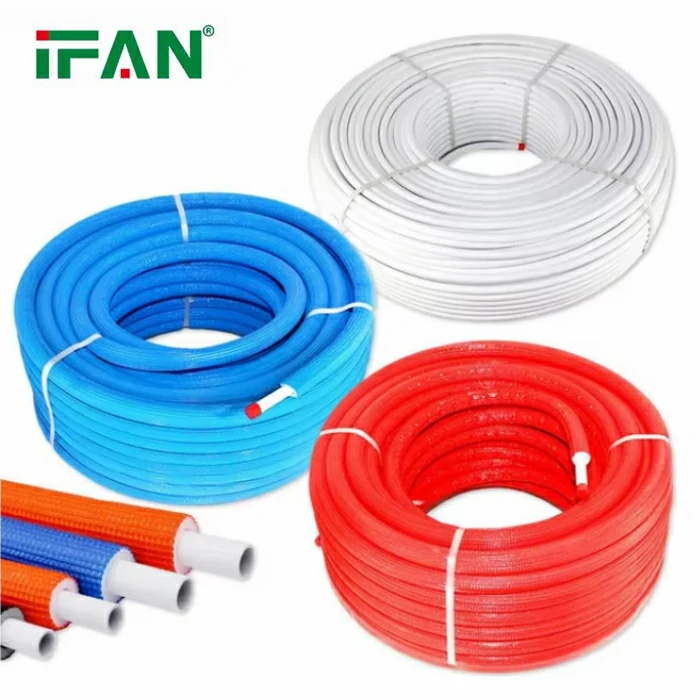
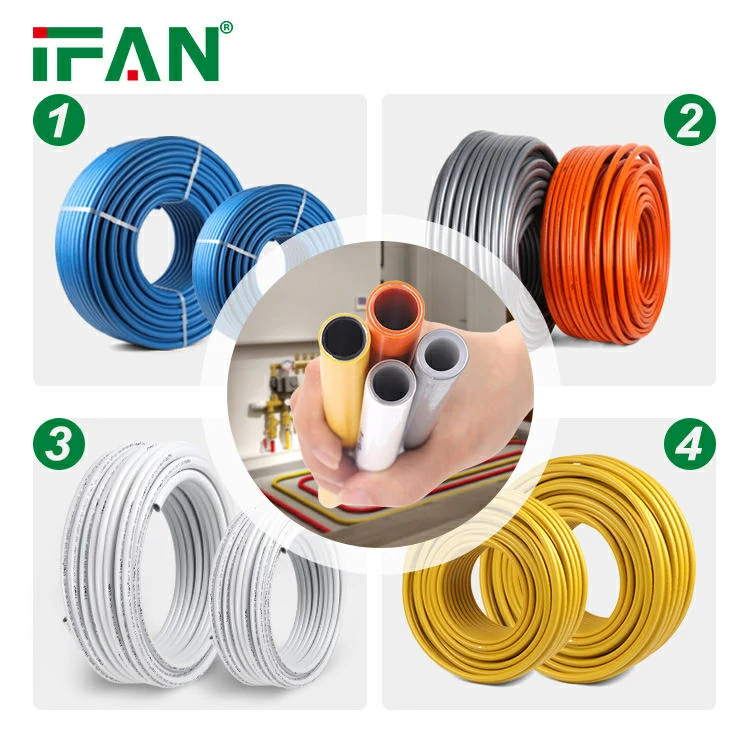
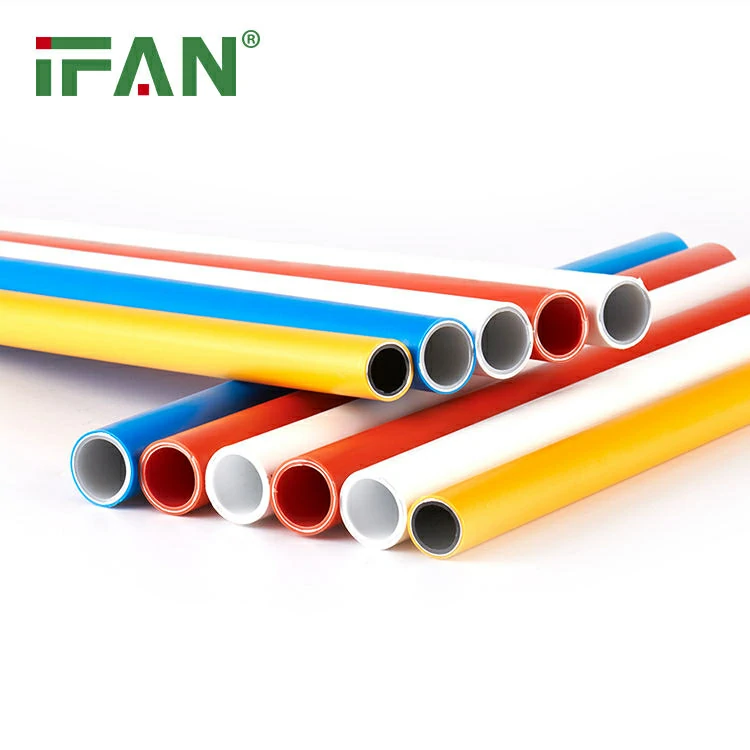
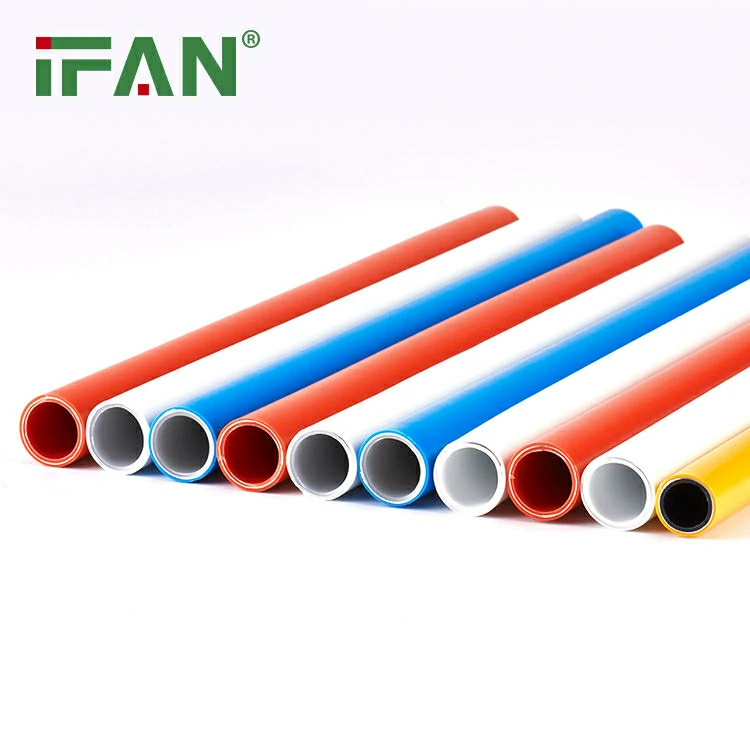
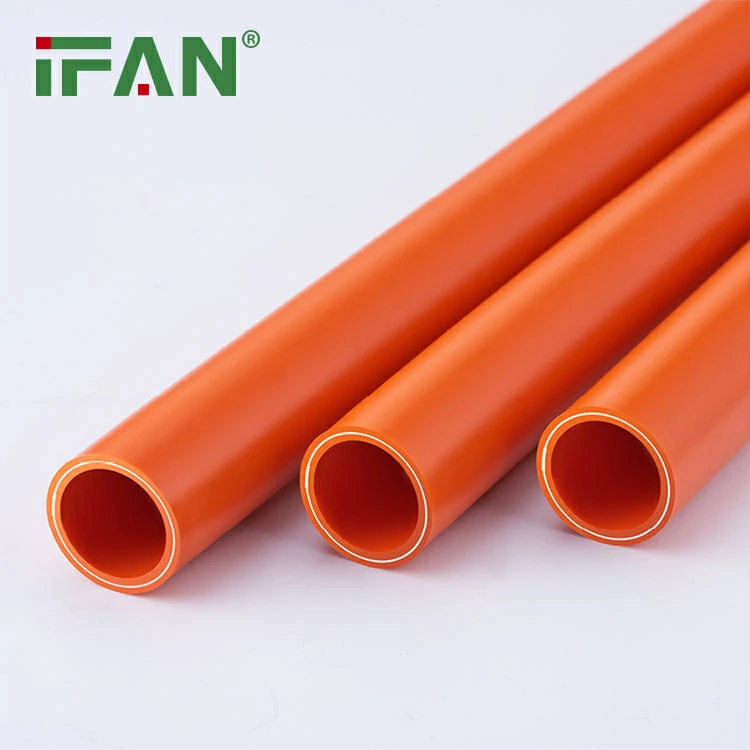
IFAN factory 30+ years manufacture experience support color /size customization support free sample.Welcome to consult for catalog and free samples.This is our Facebook Website:www.facebook.com,Click to watch IFAN’s product video.Compared with Tomex products, our IFAN products from quality to price are your best choice, welcome to buy!
1. Proper Pipe Cutting
When installing UPVC fittings, ensuring accurate pipe cutting is crucial. Pipes should be cut with a sharp, dedicated UPVC pipe cutter or saw to avoid jagged edges that can affect the seal and performance. Use a pipe cutter for clean, straight cuts, as this will minimize the risk of leaks and ensure a proper fit with fittings. After cutting, remove any burrs or debris from the pipe ends using a deburring tool or sandpaper. This step is essential for achieving a smooth surface that will bond effectively with solvent cement.
2. Correct Application of Solvent Cement
The application of solvent cement is a critical step in the installation of UPVC fittings. Ensure that the solvent cement is applied evenly to both the pipe and fitting surfaces. Use a brush or applicator specifically designed for this purpose, and apply a uniform coat to both the pipe and the inside of the fitting. Avoid over-applying the cement, as excess solvent can cause the joint to weaken or lead to excessive dripping. Additionally, make sure to use a solvent cement that is compatible with UPVC materials and follow the manufacturer’s instructions for application and curing times.
3. Ensuring Proper Alignment
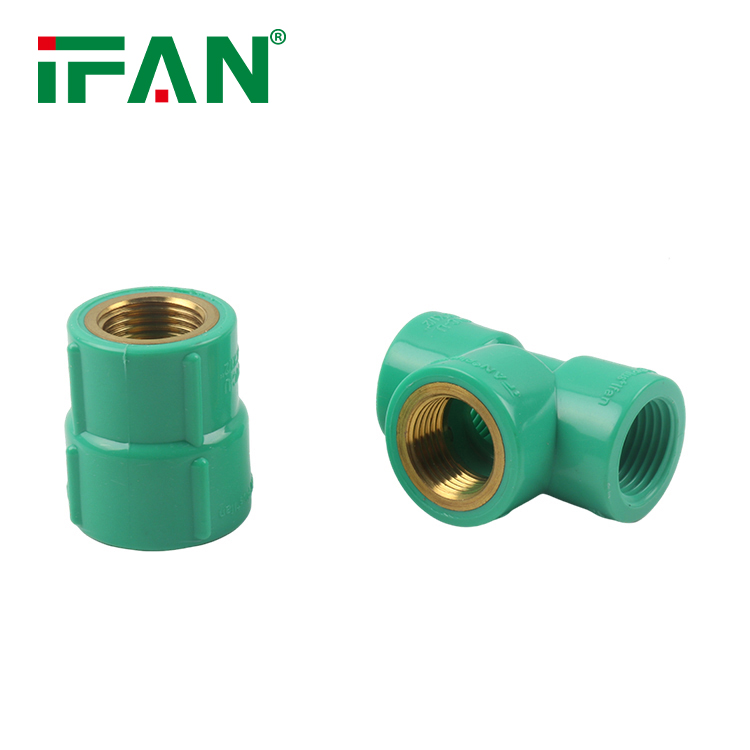
Proper alignment of UPVC pipes and fittings is essential for a successful installation. Misalignment can cause stress on the joints, leading to potential leaks or failures. Before applying solvent cement, carefully align the pipe and fitting, ensuring they are fully seated and in the correct position. Once aligned, hold the components together firmly for a few seconds to allow the solvent cement to set. If necessary, use pipe clamps or supports to maintain alignment during the curing process. This practice helps to ensure a secure and leak-proof connection.
4. Avoiding Over-Pressurization
During installation, be cautious about over-pressurizing the UPVC fittings. While UPVC pipes are durable, they can be sensitive to excessive pressure or force. Ensure that the fittings are not subjected to undue stress or pressure, especially during the curing phase. Over-pressurization can lead to deformation or damage of the pipes and fittings, compromising the integrity of the system. Use appropriate tools and methods to handle and secure the pipes, avoiding any impact or excessive force that could harm the installation.
5. Allowing Adequate Curing Time
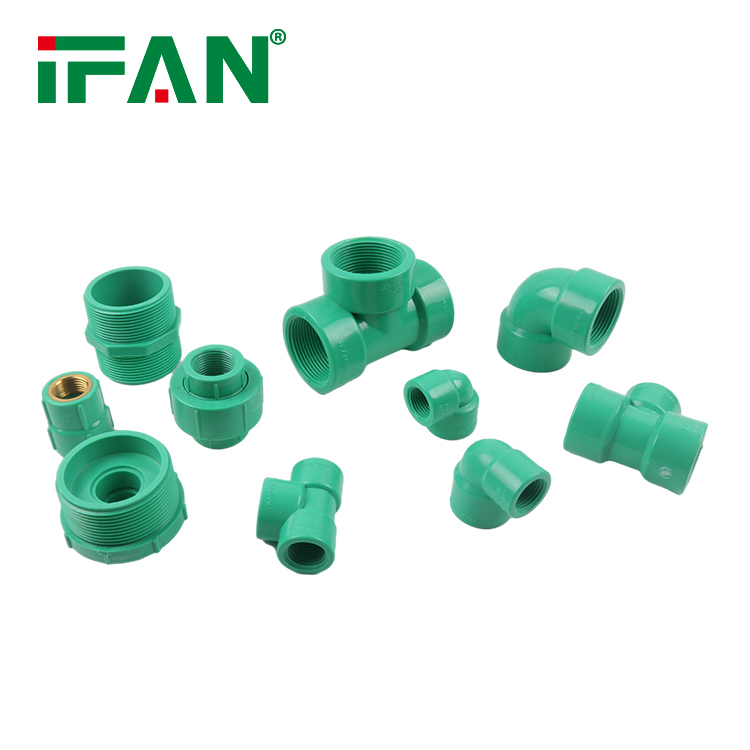
Allowing sufficient curing time is a vital aspect of installing UPVC fittings. Solvent cement requires time to fully cure and form a strong bond between the pipe and fitting. Follow the manufacturer’s recommended curing times, which typically range from a few hours to 24 hours, depending on the product and environmental conditions. Avoid subjecting the newly installed system to water pressure or operational stresses until the curing process is complete. Rushing the curing process can result in weak joints and potential leaks, undermining the effectiveness and reliability of the installation.
Conclusion
By paying careful attention to these common pitfalls—accurate pipe cutting, proper application of solvent cement, ensuring alignment, avoiding over-pressurization, and allowing adequate curing time—one can achieve a successful and reliable installation of UPVC fittings. These practices contribute to the overall effectiveness and durability of the water distribution system, ensuring long-term performance and reducing the risk of issues such as leaks or failures. Following these guidelines will help ensure that the UPVC fittings perform optimally and provide a dependable solution for water distribution needs.