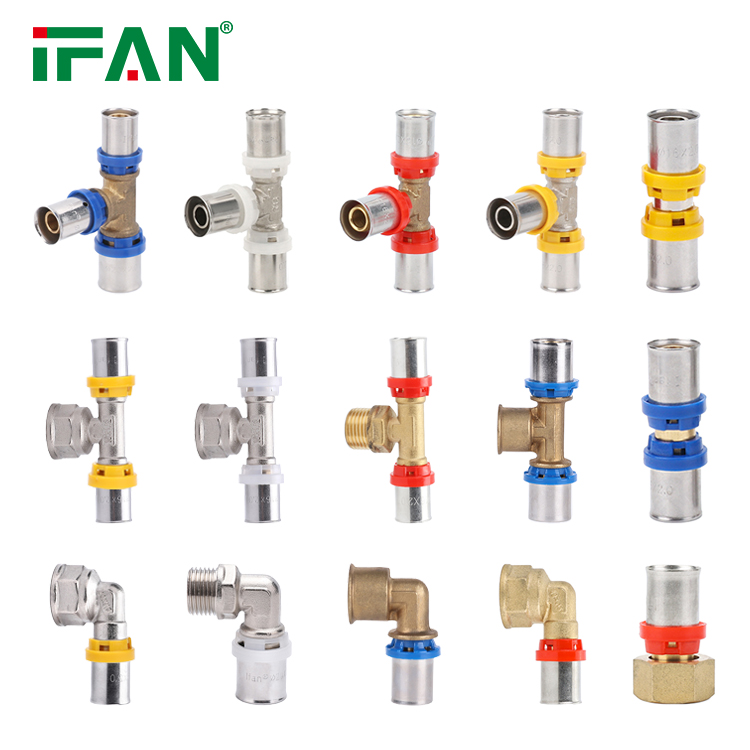
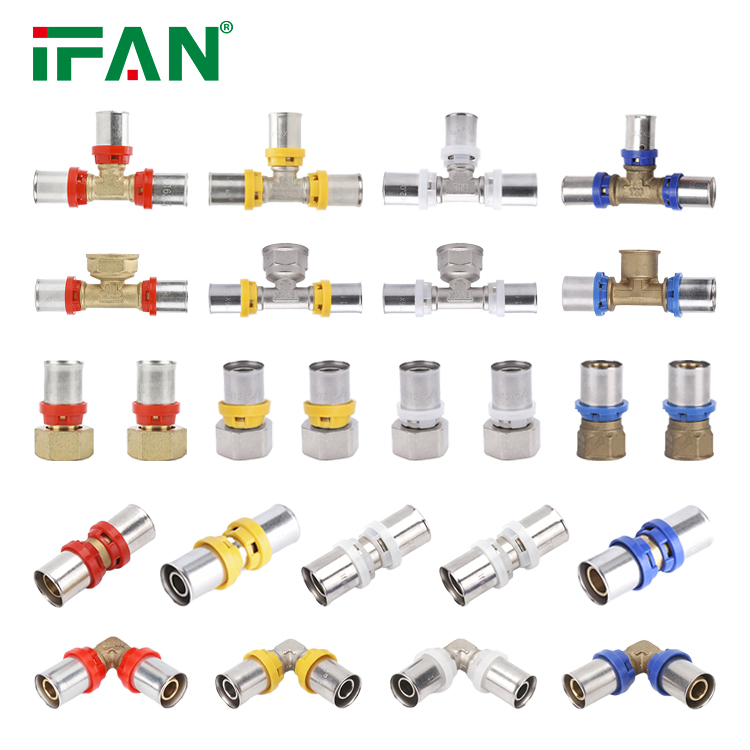
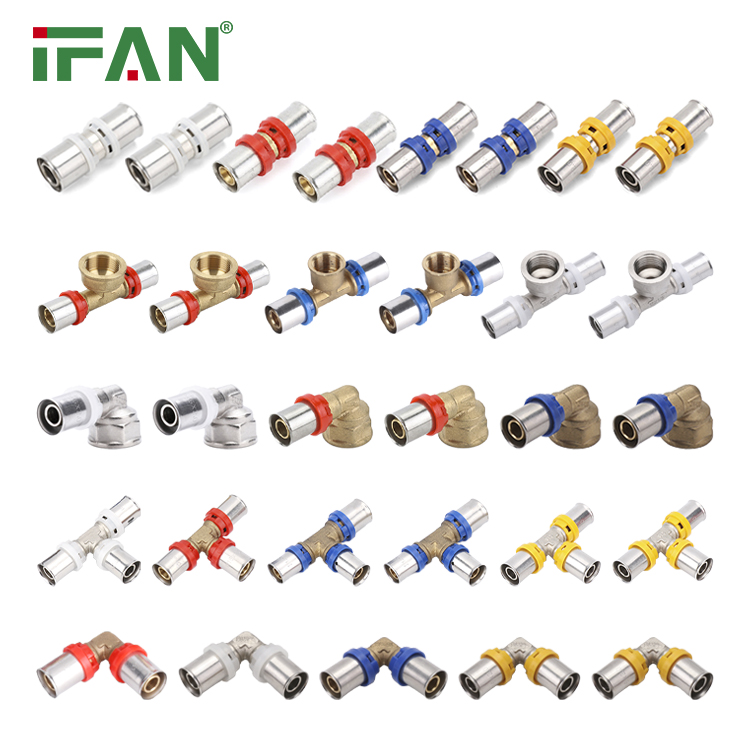
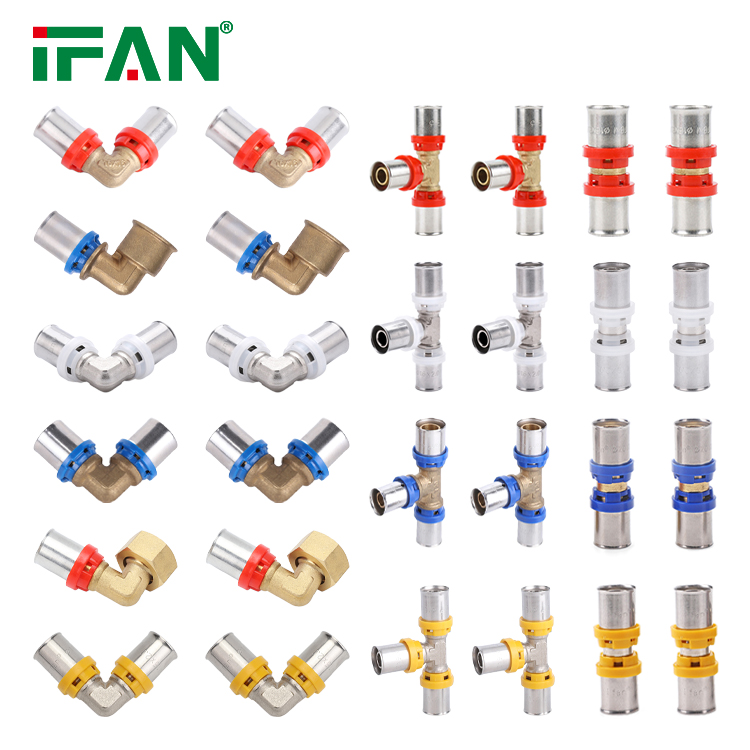
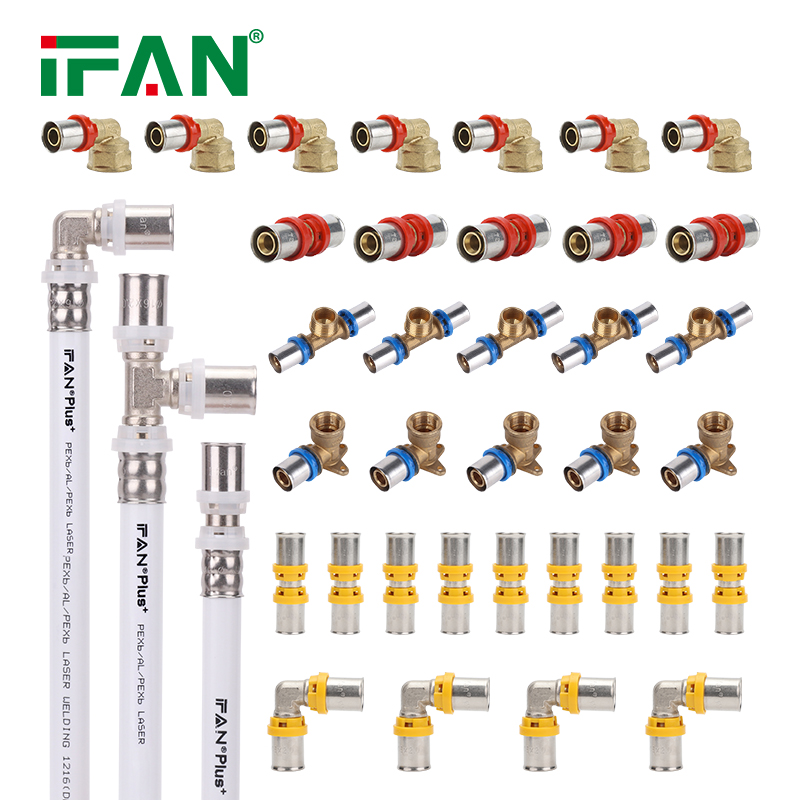
IFAN factory 30+ years manufacture experience support color /size customization support free sample.Welcome to consult for catalog and free samples.This is our Facebook Website:www.facebook.com,Click to watch IFAN’s product video.Compared with Tomex products, our IFAN products from quality to price are your best choice, welcome to buy!
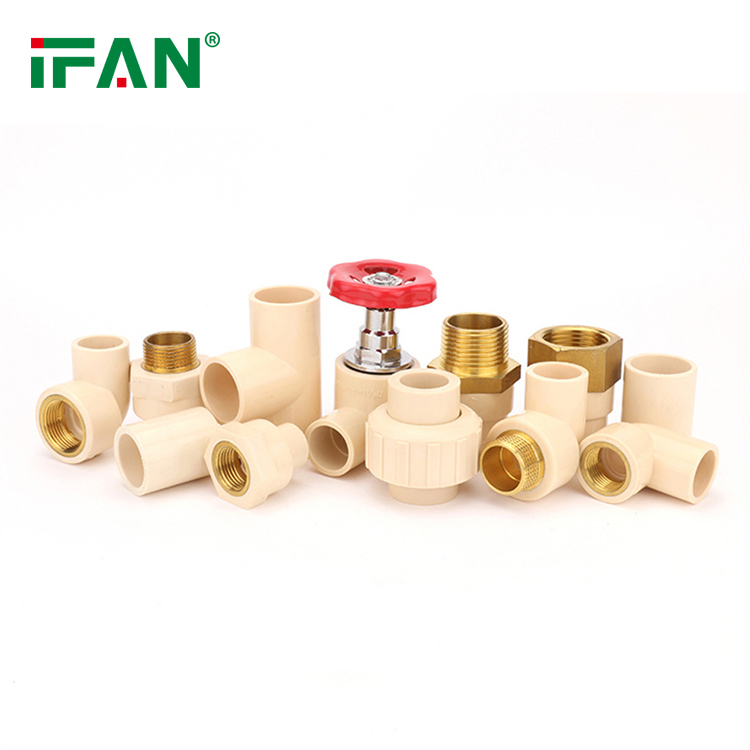
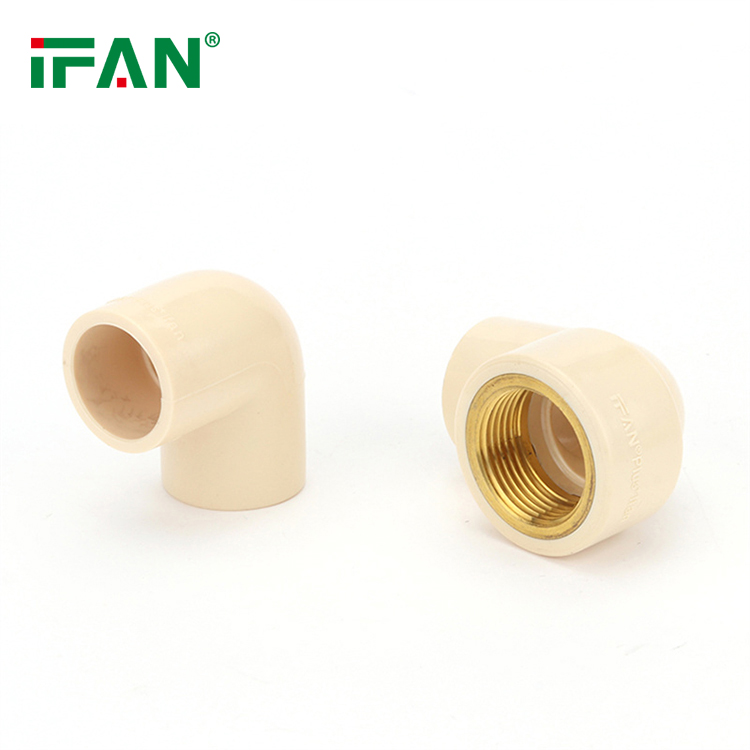
Chlorinated Polyvinyl Chloride (CPVC) fittings have gained significant popularity in both residential and commercial applications due to their unique properties and advantages. Known for their durability, flexibility, and resistance to corrosion, CPVC fittings are an ideal choice for a variety of plumbing and piping systems. This article explores the versatility of CPVC fittings, highlighting their benefits, applications, installation process, maintenance, and sustainability.
Advantages of CPVC Fittings
One of the primary reasons CPVC fittings are favored in plumbing is their excellent resistance to heat and chemicals. Unlike traditional PVC, CPVC can withstand higher temperatures, making it suitable for hot water distribution systems. Additionally, CPVC fittings are resistant to a wide range of chemicals, ensuring that they do not degrade or corrode over time. This durability translates into longer service life and lower replacement costs, as CPVC fittings can last for decades without significant wear. Furthermore, CPVC is lightweight, which simplifies handling and transportation, reducing overall installation time and labor costs.
Diverse Applications
CPVC fittings are incredibly versatile and can be used in various applications across different industries. In residential settings, they are commonly employed in plumbing systems, including potable water supply lines and hot water distribution. Their resistance to scale and corrosion makes them ideal for long-term use in these systems. In commercial applications, CPVC fittings are frequently utilized in fire sprinkler systems due to their reliable performance under high-pressure conditions. Moreover, CPVC is increasingly being used in industrial applications, such as wastewater treatment and chemical processing, where its chemical resistance is particularly beneficial.
Installation Process
The installation of CPVC fittings is straightforward, making them an attractive option for both professional plumbers and DIY enthusiasts. The fittings are joined using a solvent cement process, which creates a strong bond between the pipe and fitting, ensuring leak-free connections. Before installation, it is essential to clean the surfaces to remove any contaminants. The application of primer followed by solvent cement allows for quick assembly, as the bond sets rapidly. Additionally, CPVC can be easily cut and shaped, allowing for flexible configurations to meet specific project requirements. Proper installation techniques are crucial to ensure the longevity and reliability of the system.
Maintenance and Longevity
One of the standout features of CPVC fittings is their low maintenance requirements. Unlike metal pipes that may require regular inspections for rust or corrosion, CPVC fittings are largely maintenance-free. They do not corrode, scale, or accumulate mineral deposits, ensuring consistent flow rates and efficiency. Routine checks may involve monitoring for leaks or signs of damage; however, the inherent durability of CPVC reduces the need for frequent repairs. With proper installation and care, CPVC fittings can provide reliable service for over 50 years, making them a cost-effective solution in the long run.
Sustainability Considerations
As environmental concerns become increasingly important in construction and plumbing, the sustainability of materials plays a vital role in product selection. CPVC fittings are recognized for their energy-efficient manufacturing processes and potential for recyclability. While the recycling infrastructure for CPVC is still developing, advancements in technology are making it easier to reclaim and reuse this material. Furthermore, CPVC’s longevity means fewer resources are consumed over time due to reduced replacement needs. Choosing CPVC fittings aligns with sustainable building practices, contributing to overall energy efficiency and waste reduction in construction projects.
Conclusion
In conclusion, CPVC fittings represent a versatile and practical solution for various plumbing and piping applications in both residential and commercial settings. Their numerous advantages, including durability, chemical resistance, and ease of installation, make them a preferred choice among builders and contractors. With low maintenance needs and the potential for sustainable practices, CPVC fittings not only offer long-term performance but also align with modern environmental standards. As the demand for reliable and efficient plumbing solutions continues to grow, CPVC fittings will remain an essential component of contemporary infrastructure.