The Internal Mechanics That Determine Valve Performance
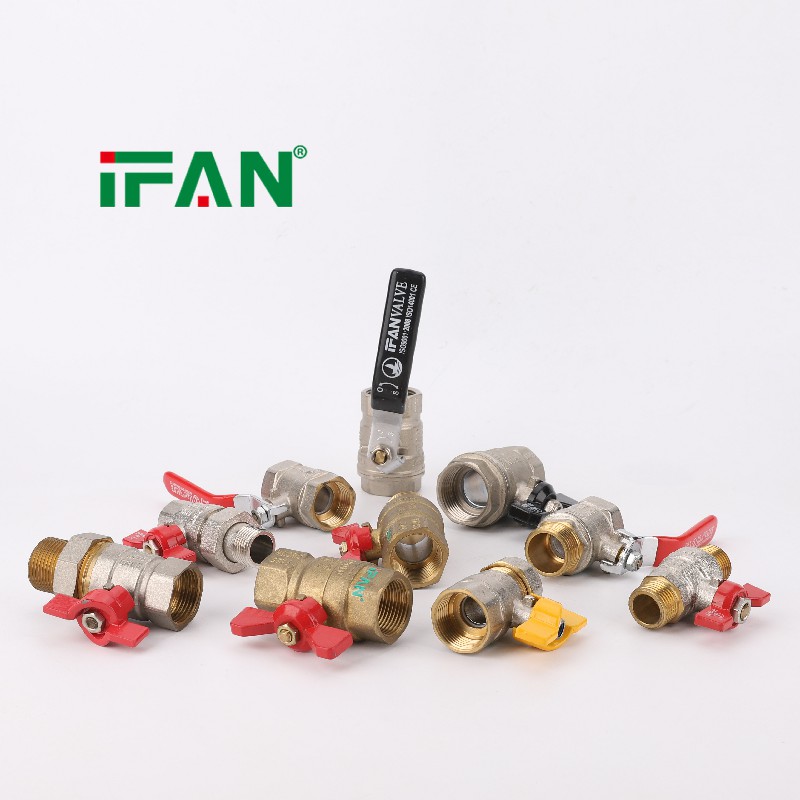
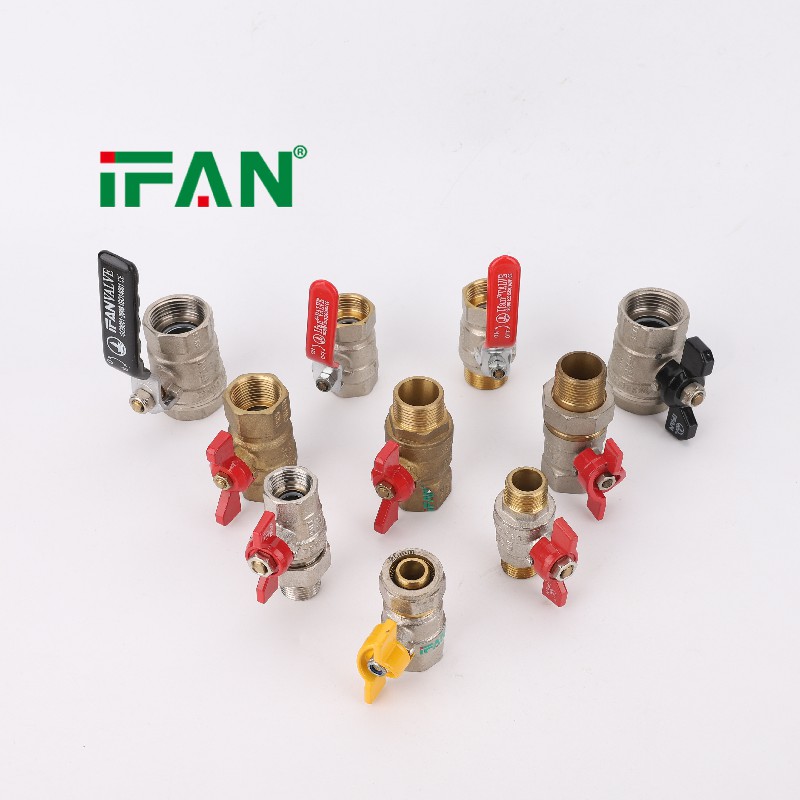
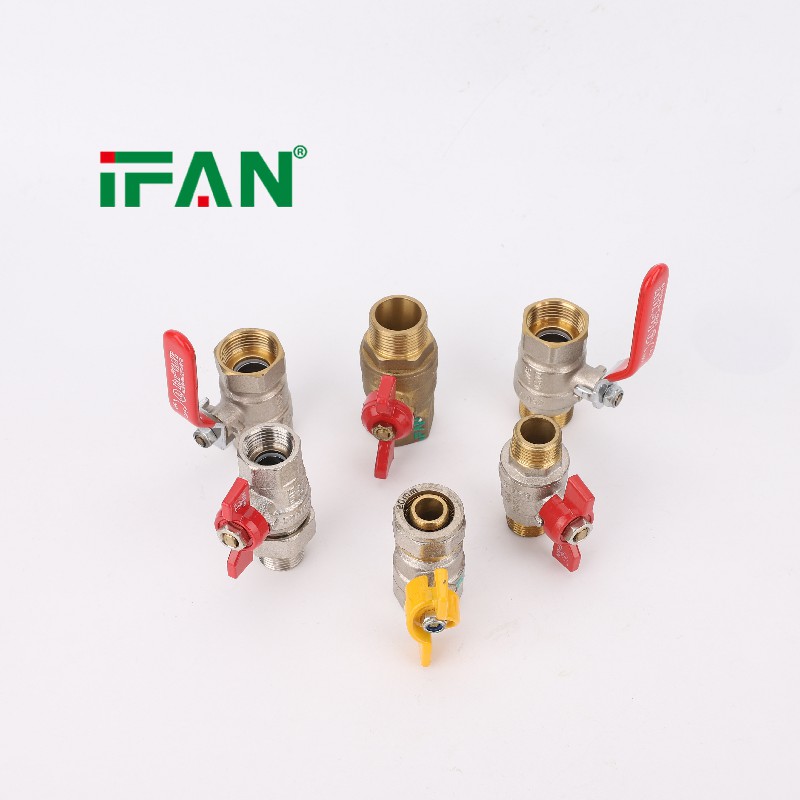
The outer body of a brass ball valve provides structural support and connection points, but the actual control of fluid flow happens entirely within its core assembly. The ball, stem, and seats form a unified mechanism that must operate smoothly and seal tightly over thousands of open-and-close cycles. When these internal components are mismatched or manufactured with loose tolerances, the result is a valve that drips, binds, or fails under pressure. IFAN Brass Ball Valves are engineered with a focus on these internal interactions, ensuring that every component works in harmony to deliver reliable flow control.
The Spherical Ball and Its Surface Finish
At the center of the valve sits the ball—a precisely machined sphere with a cylindrical port through its center. When the port aligns with the pipe bore, flow is permitted; when the valve is turned 90 degrees, the solid surface of the ball blocks the flow.
The critical factor here is the surface finish of the ball. Any imperfection, scratch, or manufacturing ridge on the ball’s surface will compromise the seal against the seats. IFAN manufactures its balls with strict dimensional tolerances and applies a smooth, polished finish. This mirror-like surface ensures that the PTFE seats can make continuous, uniform contact, preventing fluid from bypassing the closed valve. The precision of the ball’s port also ensures that when the valve is fully open, it does not introduce unnecessary turbulence or pressure drop into the system.
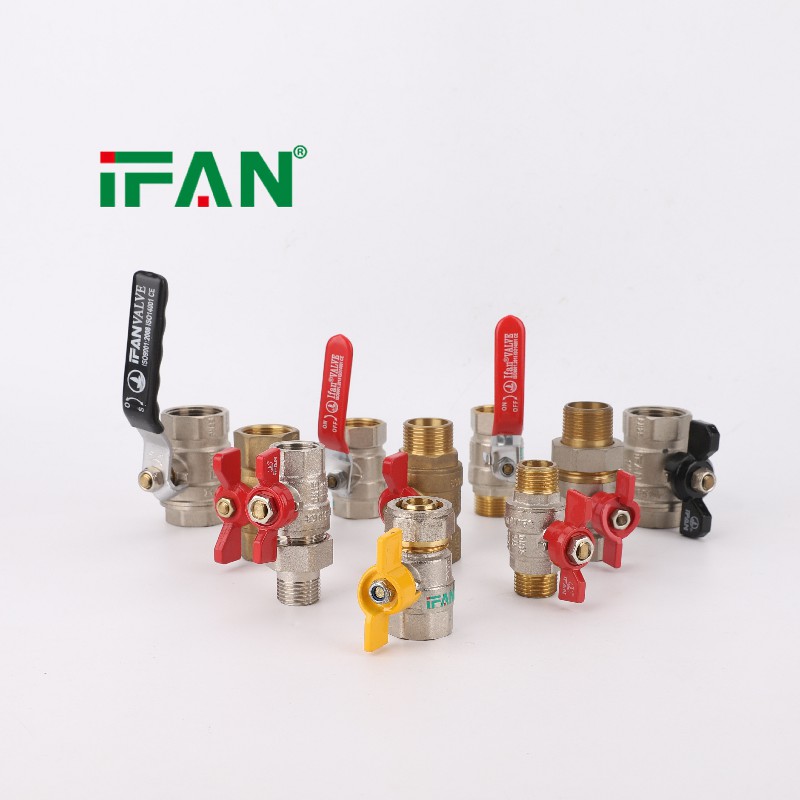
The Stem: Transferring Torque Without Leaks
The stem is the mechanical link between the external handle and the internal ball. It must transfer rotational force efficiently while preventing fluid from escaping along its axis. This is a dual challenge: the stem must be strong enough to resist twisting, yet it must be sealed dynamically to allow rotation.
IFAN addresses this with a robust stem design that includes a reinforced base and a precise fit within the valve body. The dynamic seal is achieved through a combination of O-rings and packing materials. Multiple O-rings are typically employed to create redundant sealing barriers. As the stem rotates, these O-rings maintain contact with the stem surface, preventing water from migrating upward. The choice of O-ring material is matched to the intended application, ensuring compatibility with the fluid and temperature range.
The Seats: PTFE and the Art of the Seal
The seats are the soft components that press against the ball to create the watertight seal. IFAN Brass Ball Valves utilize PTFE (polytetrafluoroethylene) for the seats. PTFE is selected for several reasons: it has an extremely low coefficient of friction, it is chemically inert to most fluids, and it maintains its shape under pressure.
The seat design is crucial for high-pressure applications. When fluid pressure enters the valve, it pushes the ball downstream, compressing it against the downstream seat. This “pressure-assisted” sealing means that as the pressure increases, the seal actually becomes tighter. The upstream seat also plays a role, providing a secondary barrier. The PTFE seats are precisely machined to match the curvature of the ball, ensuring maximum contact area and minimal leakage.
Assembly Precision and Quality Control
A valve is only as good as its assembly. The alignment of the ball, stem, and seats must be perfect. If the stem is not perfectly centered, the ball will not seat evenly, leading to premature wear and leaks. IFAN conducts rigorous testing on assembled valves, including pressure tests and operational torque checks, to ensure that the internal assembly functions as designed.
For buyers and specifiers, understanding these internal components provides a basis for evaluating valve quality. IFAN offers samples for inspection, allowing engineers to disassemble and examine the ball finish, PTFE seat quality, and stem sealing mechanism firsthand. For systems that demand reliable, long-term flow isolation, IFAN Brass Ball Valves offer a well-engineered internal assembly.