Introduction
When it comes to plumbing in cottages and homes, choosing the right piping material is crucial for durability, efficiency, and ease of installation. Two of the most common materials used in plumbing systems are PEX (cross-linked polyethylene) pipes and copper pipes. While both options have their advantages, PEX has gained significant popularity in recent years. In this article, we will explore the differences between PEX and copper pipes, delve into the benefits of PPR (Polypropylene Random Copolymer) pipes as an alternative, and answer some frequently asked questions to help you make an informed decision for your cottage plumbing needs.
Understanding PEX and Copper Pipes
What are PEX Pipes?
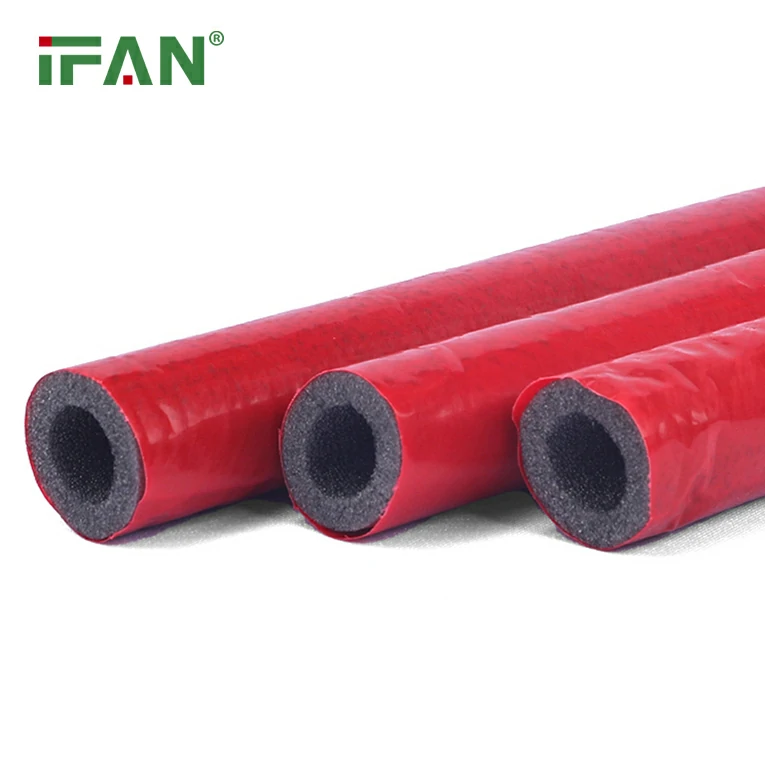
PEX pipes are flexible plastic pipes that are made from cross-linked polyethylene. They are known for their versatility and ease of installation. PEX is available in various sizes and colors, making it suitable for a wide range of plumbing applications, including hot and cold water supply lines, radiant heating systems, and more.
What are Copper Pipes?
Copper pipes have been a staple in plumbing for decades. They are made from copper metal and are known for their strength and durability. Copper pipes are often used for water supply lines, heating systems, and gas lines. They can withstand high temperatures and pressures, making them a reliable choice for many plumbing applications.
Comparing PEX and Copper Pipes
1. Installation
PEX Pipes: The flexibility of PEX pipes allows for easier installation, especially in tight spaces. PEX can be snaked around corners and through walls without the need for numerous fittings, reducing the potential for leaks. Additionally, PEX does not require soldering, which can save time and labor costs.
Copper Pipes: Installation of copper pipes can be more labor-intensive. They require cutting, fitting, and soldering, which can be time-consuming and may require a skilled plumber. Copper pipes are rigid, making them less versatile in tight spaces.
2. Cost
PEX Pipes: PEX is generally less expensive than copper, both in terms of material costs and installation. The ease of installation can lead to reduced labor costs, making PEX an attractive option for budget-conscious homeowners.
Copper Pipes: Copper pipes tend to be more expensive due to the cost of the material and the labor involved in installation. While copper is a durable option, the upfront costs can be a significant factor for many homeowners.
3. Durability and Longevity
PEX Pipes: PEX pipes are resistant to corrosion, scale buildup, and freezing, making them a durable choice for various climates. They typically have a lifespan of 25 to 50 years, depending on the quality of the material and installation.
Copper Pipes: Copper pipes are known for their longevity, often lasting 50 years or more. However, they can be susceptible to corrosion, especially in areas with acidic water. Proper installation and maintenance are crucial to ensuring their longevity.
4. Temperature and Pressure Resistance
PEX Pipes: PEX pipes can handle temperatures up to 200°F (93°C) and pressures up to 80 psi (pounds per square inch) at 180°F (82°C). This makes them suitable for both hot and cold water applications.
Copper Pipes: Copper pipes can withstand high temperatures and pressures as well, making them ideal for hot water systems. They can handle temperatures up to 250°F (121°C) and high pressure, making them a reliable option for various applications.
5. Environmental Impact
PEX Pipes: PEX pipes are made from plastic, which raises concerns about their environmental impact. However, they are recyclable, and advancements in recycling technologies are improving their sustainability.
Copper Pipes: Copper is a natural material that is highly recyclable. The recycling process for copper is well-established, making it an environmentally friendly option. Additionally, copper has natural antimicrobial properties, which can help reduce the risk of bacterial growth in plumbing systems.
The Role of PPR Pipes as an Alternative
While PEX and copper pipes are popular choices for plumbing systems, PPR pipes (Polypropylene Random Copolymer) offer unique advantages that make them a strong contender as an alternative.
Advantages of PPR Pipes
- Recyclability: PPR pipes are fully recyclable, making them an environmentally friendly choice for plumbing applications. This aligns with the growing demand for sustainable building materials.
- Durability: PPR pipes have a long lifespan, often exceeding 50 years. They are resistant to corrosion and scaling, ensuring reliable performance over time.
- High-Temperature Resistance: PPR pipes can withstand temperatures up to 95°C (203°F), making them suitable for hot water applications.
- Chemical Resistance: PPR pipes are resistant to a wide range of chemicals, making them ideal for industrial applications and areas where exposure to corrosive substances is a concern.
- Leak-Free Joints: PPR pipes can be joined using heat fusion, creating strong, leak-free joints that enhance the overall integrity of the plumbing system.
Frequently Asked Questions (FAQs)
- What is the main difference between PEX and copper pipes?
- The main difference lies in their material composition and installation methods. PEX pipes are flexible and easier to install, while copper pipes are rigid and require soldering.
- Which is more cost-effective: PEX or copper?
- PEX is generally more cost-effective due to lower material costs and easier installation, leading to reduced labor expenses.
- How long do PEX and copper pipes last?
- PEX pipes typically last 25 to 50 years, while copper pipes can last 50 years or more, depending on the installation and water quality.
- Are PPR pipes a good alternative to PEX and copper?
- Yes, PPR pipes offer several advantages, including recyclability, durability, and resistance to high temperatures and chemicals, making them a viable alternative.
- Can PEX pipes be used for hot water systems?
- Yes, PEX pipes are suitable for hot water applications, as they can handle high temperatures and pressures effectively.
Conclusion
Choosing the right piping material for your cottage plumbing system is essential for ensuring durability, efficiency, and cost-effectiveness. While PEX and copper pipes each have their advantages, PPR pipes offer unique benefits that make them a strong alternative. By considering the specific needs of your plumbing system and understanding the performance characteristics of each material, you can make an informed decision that will serve your cottage well for years to come.