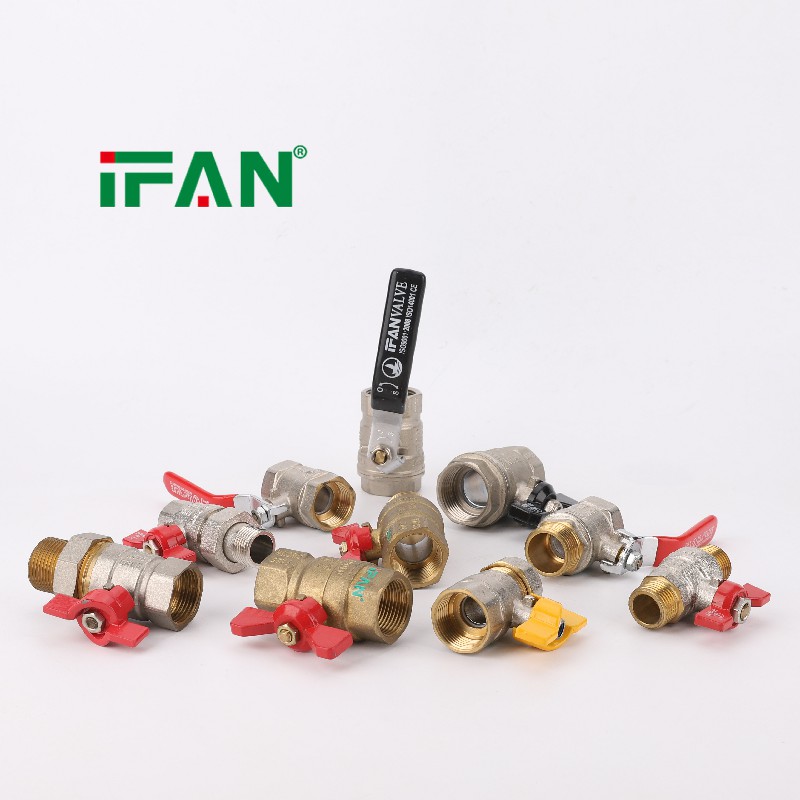
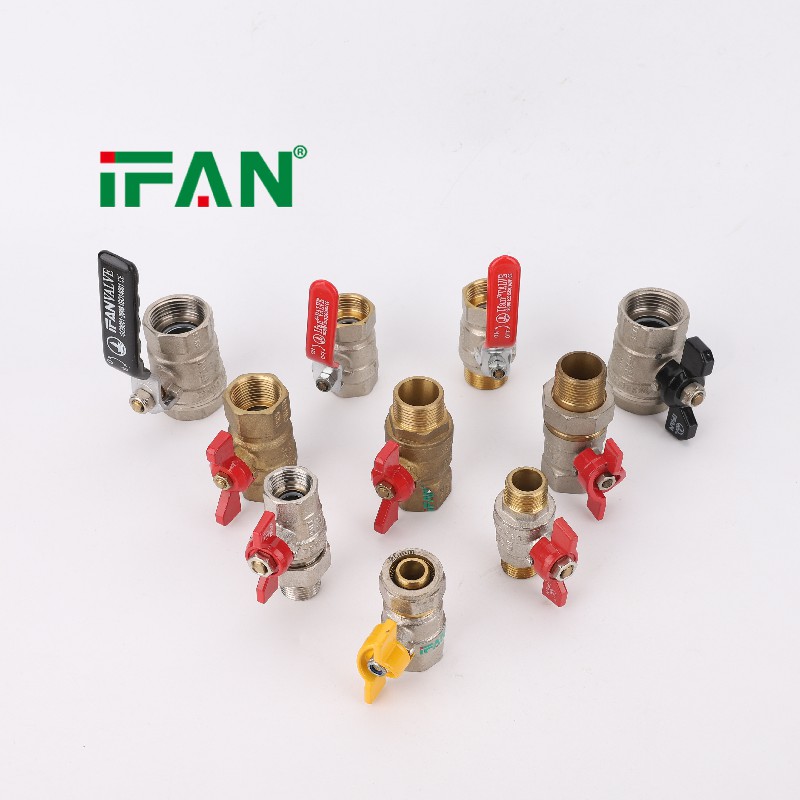
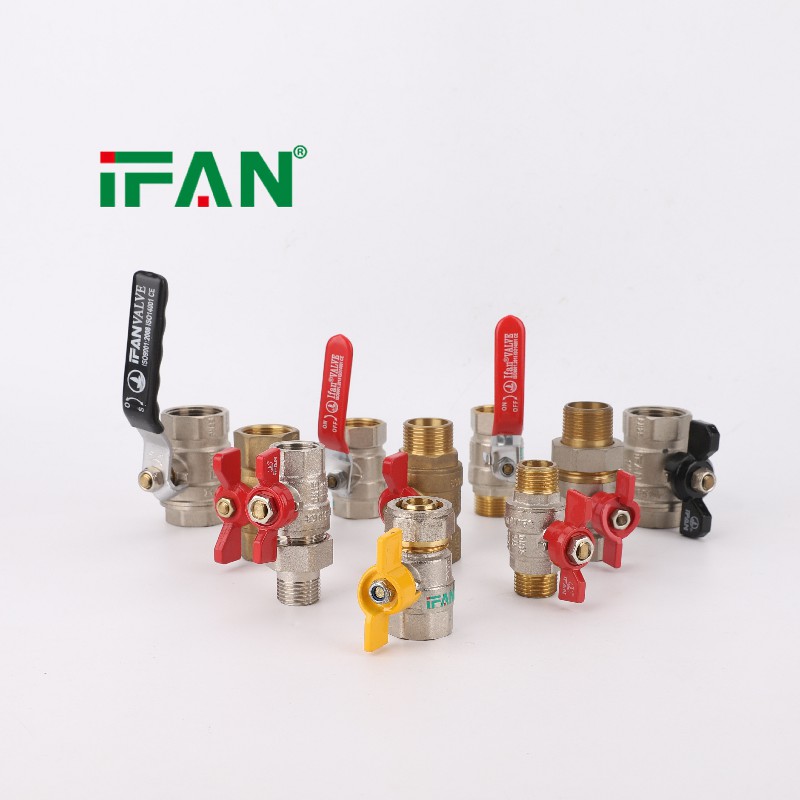
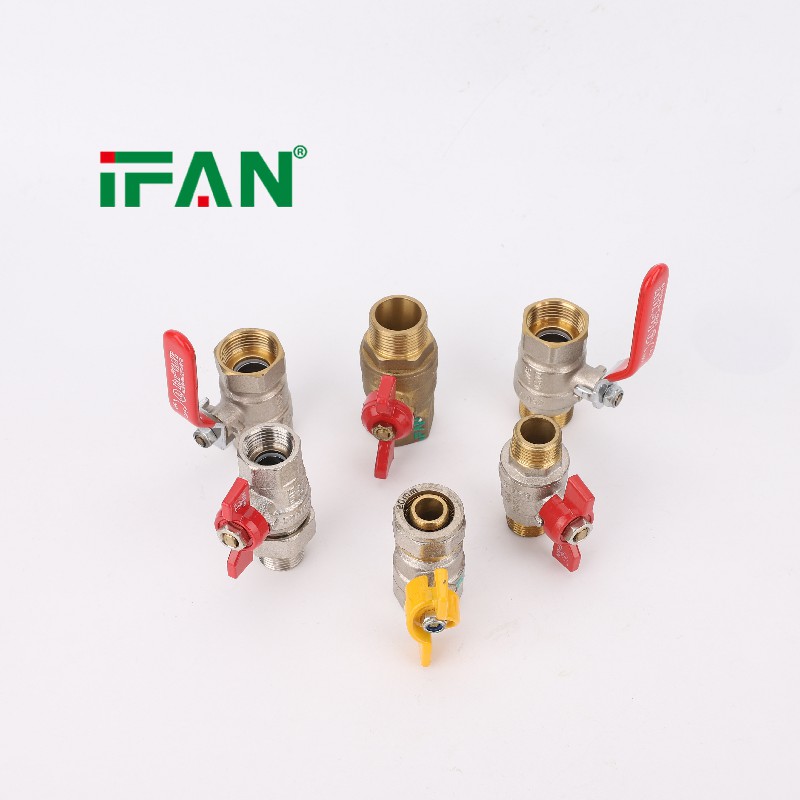
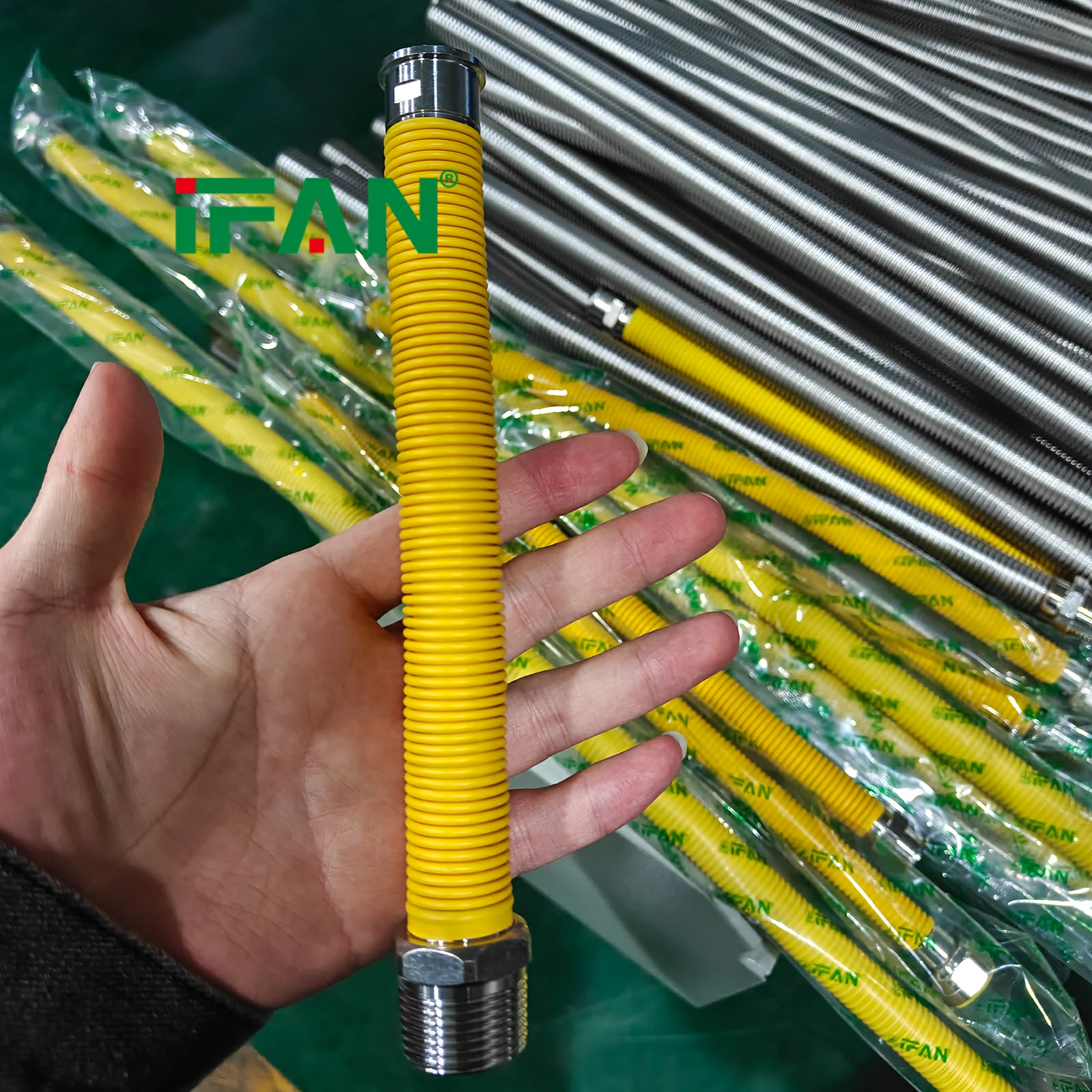
IFAN factory 30+ years manufacture experience support color /size customization support free sample.Welcome to consult for catalog and free samples.This is our Facebook Website:www.facebook.com,Click to watch IFAN’s product video.Compared with Tomex products, our IFAN products from quality to price are your best choice, welcome to buy!
Introduction
When it comes to plumbing projects, PEX fittings have revolutionized the industry, making installations easier, faster, and more reliable. Whether you are a seasoned plumber or a DIY enthusiast, understanding how to work with PEX fittings is a crucial skill. In this beginner’s guide, we will explore PEX fittings in detail, covering their types, installation methods, advantages, and tips for a successful DIY plumbing project.
What Are PEX Fittings?
PEX fittings are specialized connectors used to join PEX pipes together in a plumbing system. PEX, short for cross-linked polyethylene, is a flexible and durable plastic pipe material widely used in residential and commercial plumbing. PEX fittings ensure a tight, leak-free connection between the pipes, providing a reliable water flow throughout the system.
There are several types of PEX fittings, each with its own method of installation and unique benefits. Understanding the various options will help you make the right choice for your DIY project.
Types of PEX Fittings
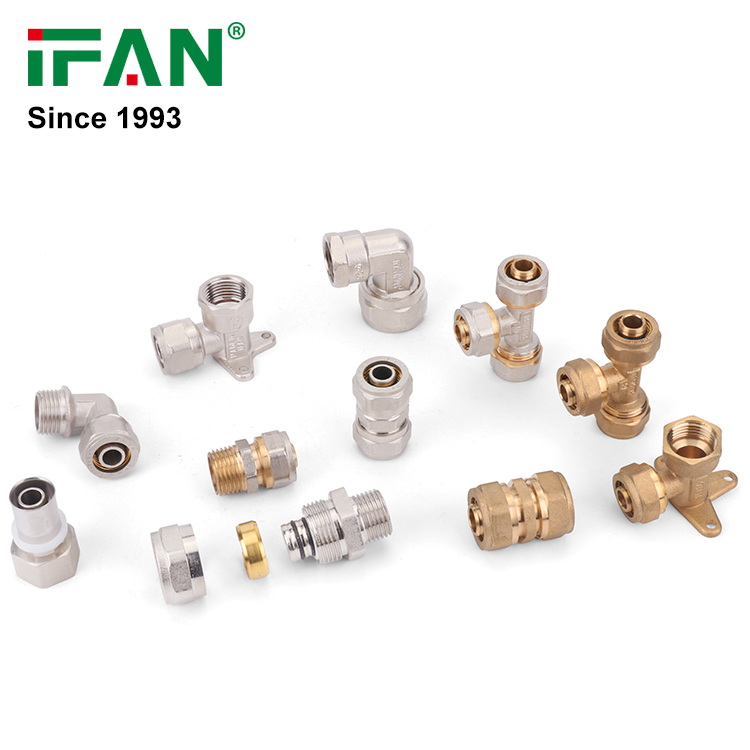
- Push-Fit PEX Fittings
Push-fit PEX fittings are a fantastic choice for DIY plumbing projects due to their simplicity and ease of installation. These fittings are designed to be quickly pushed onto the PEX pipe, and they automatically create a secure seal. No special tools, soldering, or gluing are required, making them ideal for beginners.
Advantages:
- No tools required: No need for crimping tools, clamps, or any complex equipment.
- Fast installation: The push-fit design allows for quick and easy connections.
- Reusable: Some models allow you to disconnect and reuse the fitting.
Disadvantages:
- Higher cost: Push-fit fittings can be more expensive compared to other types.
- Limited variety: While convenient, push-fit fittings may not offer as many configurations as other options.
- Crimp PEX Fittings
Crimp PEX fittings are another popular choice. These fittings use a crimping ring (usually made of copper or stainless steel) to secure the PEX pipe onto the fitting. The crimping tool compresses the ring around the pipe, ensuring a tight and leak-proof connection.
Advantages:
- Affordable: Crimp fittings are more budget-friendly than push-fit options.
- Long-lasting: When installed correctly, crimp fittings can provide durable, leak-free connections.
- Widely available: Crimp fittings come in various sizes and shapes for different plumbing needs.
Disadvantages:
- Tool requirement: A crimping tool is necessary to install these fittings.
- Installation learning curve: While not overly difficult, crimp fittings require a little more experience to ensure a secure installation.
- Clamp PEX Fittings
Clamp PEX fittings are similar to crimp fittings, but they use a stainless steel clamp instead of a crimp ring. Once the PEX pipe is fitted over the clamp fitting, a clamp tool is used to tighten the steel ring around the pipe, creating a secure connection.
Advantages:
- Ease of use: Clamp fittings are relatively easy to install with the proper tool.
- Affordable: They are often more affordable than push-fit fittings.
- Leak-free connections: Like crimp fittings, clamp fittings provide reliable, leak-free connections.
Disadvantages:
- Tool requirement: A special clamp tool is needed for installation.
- Availability: Clamp fittings are not as widely available as crimp fittings.
- Expansion PEX Fittings
Expansion PEX fittings are a bit more specialized, as they require an expansion tool to stretch the PEX pipe over the fitting. Once the pipe is expanded, it naturally contracts to create a tight seal, ensuring a secure connection.
Advantages:
- Strong connections: Expansion fittings provide a very strong and reliable seal.
- No clamps or crimp rings: The expansion process eliminates the need for crimp rings or clamps, simplifying installation.
Disadvantages:
- Specialized tools: The expansion tool is a more significant investment for DIYers.
- Not ideal for tight spaces: Expansion fittings require room for the expansion tool to work effectively.
How to Install PEX Fittings: A Step-by-Step Guide
- Preparation
- Measure and cut the PEX pipe to the required length using a PEX pipe cutter.
- Make sure that the cut ends are smooth and free from burrs, as rough edges can lead to leaks.
- Choosing the Right Fitting
- Select the correct type of PEX fitting for your project. Consider whether you need push-fit, crimp, clamp, or expansion fittings based on your system requirements and tools available.
- Inserting the Pipe into the Fitting
- For push-fit fittings, simply push the PEX pipe into the fitting until it clicks into place.
- For crimp and clamp fittings, insert the PEX pipe over the fitting and secure it using the appropriate tool (crimping tool for crimp fittings, clamp tool for clamp fittings).
- Check for Leaks
- Once all the fittings are installed, turn on the water supply to test for any leaks. If you detect any leaks, inspect the connections and ensure they are tightly secured.
- Final Touches
- After confirming that there are no leaks, finalize the installation by securing the pipes in place and ensuring the system is properly insulated if necessary.
Advantages of Using PEX Fittings for DIY Plumbing
- Cost-Effective: PEX fittings are affordable and typically less expensive than traditional copper fittings.
- Ease of Installation: With options like push-fit fittings, DIYers can avoid complicated tools and techniques, making it easier to handle plumbing projects.
- Flexibility: PEX pipes are flexible, making it easier to maneuver them around obstacles, reducing the need for additional fittings.
- Durability: PEX fittings are highly durable, resistant to corrosion, and can withstand high temperatures and pressure.
Common Mistakes to Avoid When Installing PEX Fittings
- Not cutting the pipe properly: Ensure that the pipe is cut straight and clean for a proper connection.
- Incorrectly sized fittings: Always match the fitting size with the diameter of the PEX pipe to avoid leaks.
- Over-tightening fittings: Over-tightening crimp or clamp fittings can damage the PEX pipe and lead to leaks.
- Not using the right tool: Using the wrong tool for installation (e.g., using a regular pliers instead of a crimping or clamp tool) can result in a weak connection.
Conclusion
PEX fittings are an essential part of any plumbing project, offering flexibility, ease of installation, and long-lasting reliability. Whether you choose push-fit, crimp, clamp, or expansion fittings, there’s a solution for every DIYer. With a bit of practice and the right tools, you’ll be able to install PEX fittings with confidence, making your plumbing projects a success.
FAQs About PEX Fittings
- Do I need special tools to install PEX fittings?
- For push-fit fittings, no tools are required. However, crimp and clamp fittings require specialized tools like a crimping tool or clamp tool.
- Can I use PEX fittings for outdoor plumbing?
- Yes, PEX fittings can be used outdoors, but make sure to protect the system from UV rays and extreme temperatures to avoid damage.
- Are PEX fittings compatible with other types of plumbing systems?
- PEX fittings are typically compatible with other materials like copper and PVC, but make sure to use the correct adapters.
- How long do PEX fittings last?
- PEX fittings are designed to last for decades when installed properly and maintained.
- Can I reuse PEX fittings?
- Push-fit fittings can sometimes be reused, while other types like crimp fittings should not be reused once installed.