Why Surface Treatment Dictates Valve Longevity
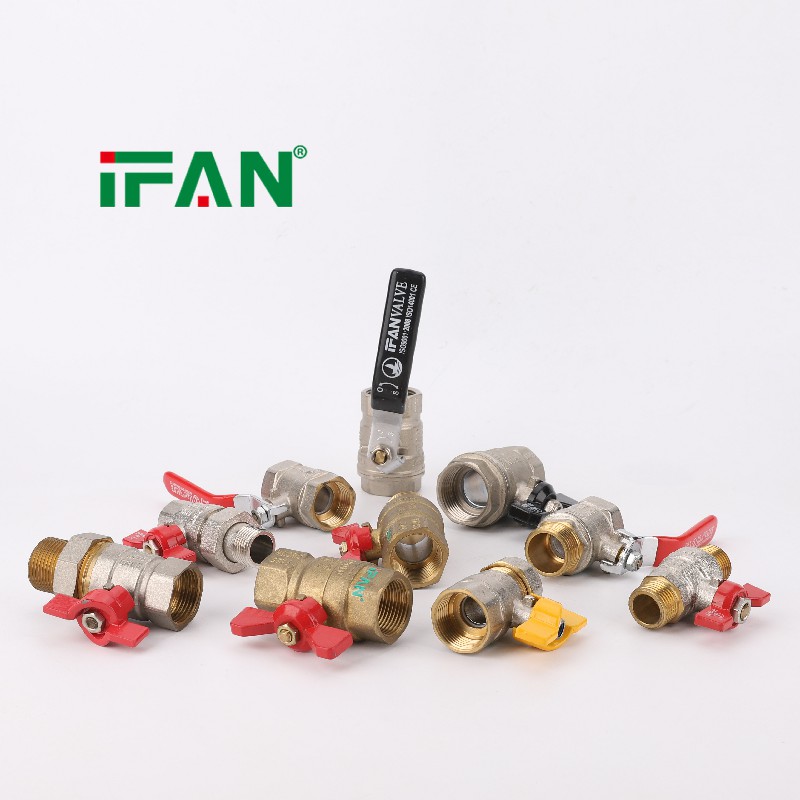
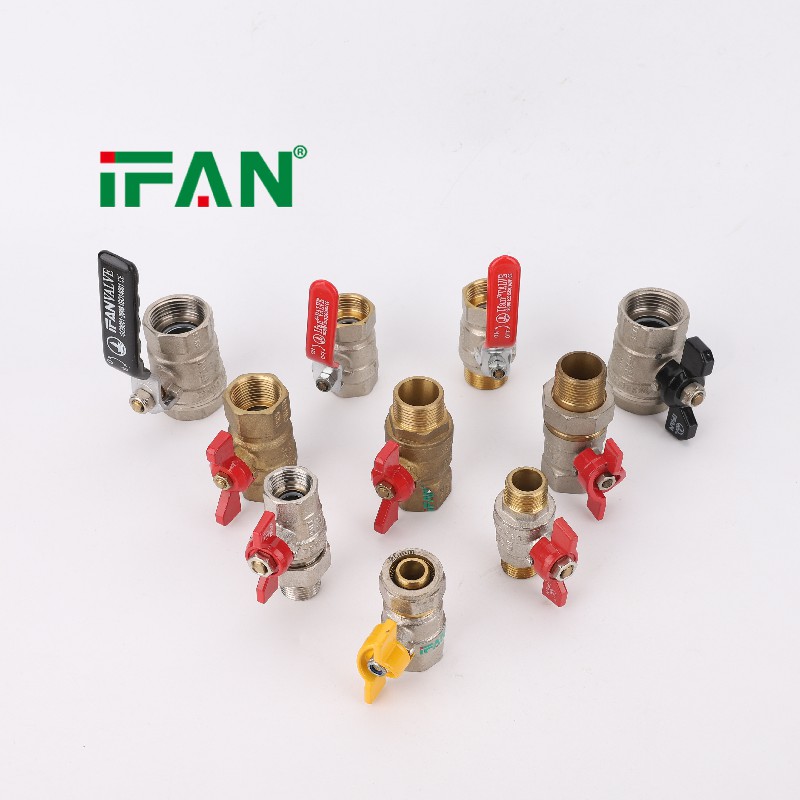
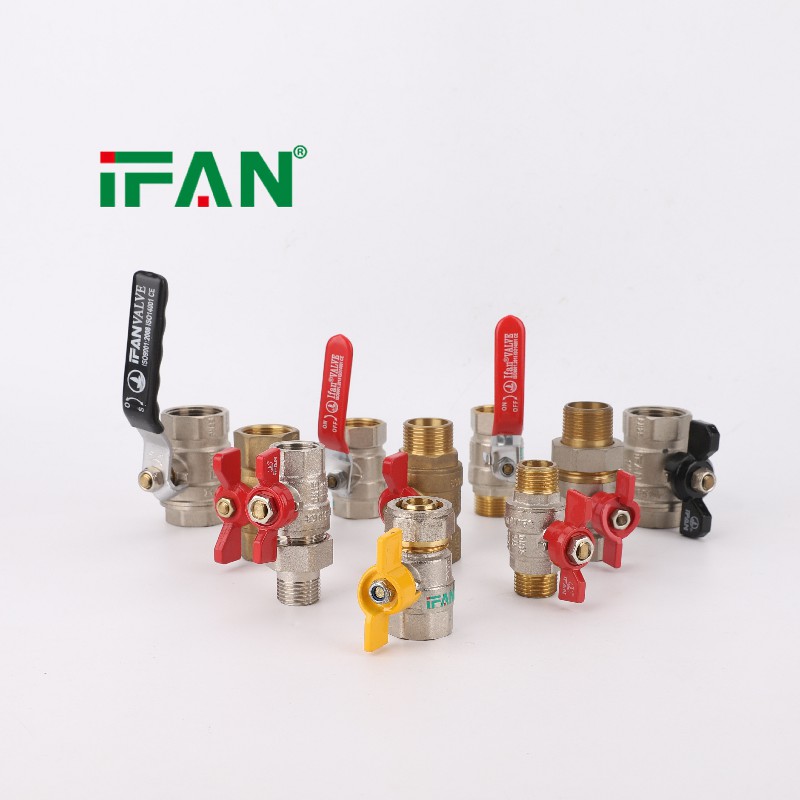
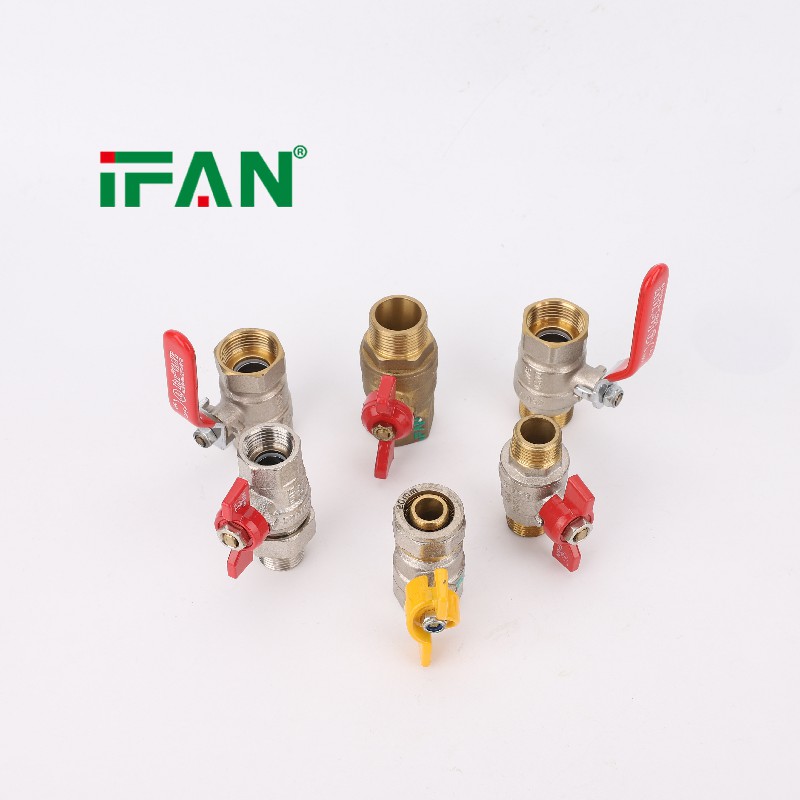
In plumbing and industrial fluid systems, the internal components of a valve handle the pressure, but the external surface determines how well it survives its environment. A standard brass ball valve offers excellent mechanical strength, yet raw brass is susceptible to tarnishing and oxidation when exposed to moisture, humidity, and harsh conditions. Chrome plating is a common surface treatment used to address these vulnerabilities. Understanding how this process works—and what it means for performance—is essential for buyers and specifiers looking for long-term reliability. IFAN Chrome-Plated Brass Ball Valves utilize this technology to provide a durable, visually appealing, and corrosion-resistant exterior.
The Electroplating Process and Adhesion
Chrome plating is not simply a coat of paint; it is an electrochemical process. The brass valve body undergoes rigorous preparation, including polishing and degreasing, to ensure a perfectly clean surface. The valve is then submerged in a plating bath where an electrical current deposits a thin layer of chromium over the brass.
The quality of the bond between the chrome layer and the brass substrate is critical. If the surface preparation is inadequate, the plating can flake or peel over time. IFAN controls this process carefully to ensure a uniform, tightly adherent chrome layer. This strong adhesion ensures that the surface treatment can withstand the mechanical wear associated with installation, such as the friction from tightening the valve onto a pipe thread.
Corrosion Resistance and Environmental Protection
The primary function of the chrome plating is to act as a barrier against the environment. Chromium is highly resistant to oxidation and many common chemicals. By sealing the brass beneath a layer of chrome, the valve is protected from the corrosive effects of moisture, cleaning agents, and atmospheric pollutants.
This makes IFAN Chrome-Plated Brass Ball Valves particularly suitable for exposed installations in residential and commercial plumbing, such as under sinks, in utility rooms, or in HVAC systems. The plating also resists the formation of verdigris (the green patina that forms on raw brass), keeping the valve looking clean and functioning smoothly. Furthermore, the smooth surface of the chrome makes the valve easy to wipe down and maintain.
Aesthetic Value and Wear Resistance
While corrosion resistance is the primary engineering goal, the aesthetic benefit of chrome plating is undeniable. In modern plumbing fixtures and exposed piping systems, the visual appearance of components matters. The bright, reflective finish of chrome provides a professional, clean look that matches standard faucets and fixtures.
Beyond appearance, the chromium layer adds a degree of surface hardness. This increases the valve’s resistance to scratches and abrasions during handling and installation. However, it is important to note that the chrome plating is a surface treatment for the exterior of the valve body. The internal sealing mechanism—the ball and seats—relies on different materials (such as PTFE) to ensure a watertight seal under pressure.
Sourcing and Quality Verification
Because chrome plating quality can vary significantly between manufacturers, buyers should pay close attention to the finish before making a purchase. A high-quality chrome-plated valve will have a smooth, uniform, and defect-free surface without any signs of blistering or peeling at the edges.
For project managers and distributors, verifying the pressure ratings of the valve remains paramount, regardless of the surface finish. IFAN offers samples for evaluation, allowing buyers to inspect the plating quality, wall thickness, and machining precision firsthand. For systems that require both internal reliability and external durability, IFAN Chrome-Plated Brass Ball Valves provide a practical and well-engineered solution.