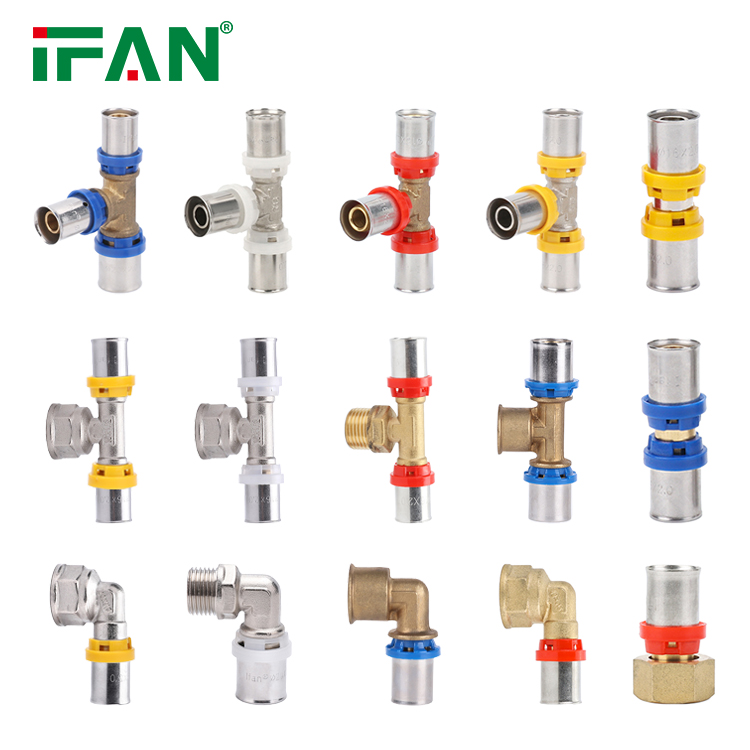
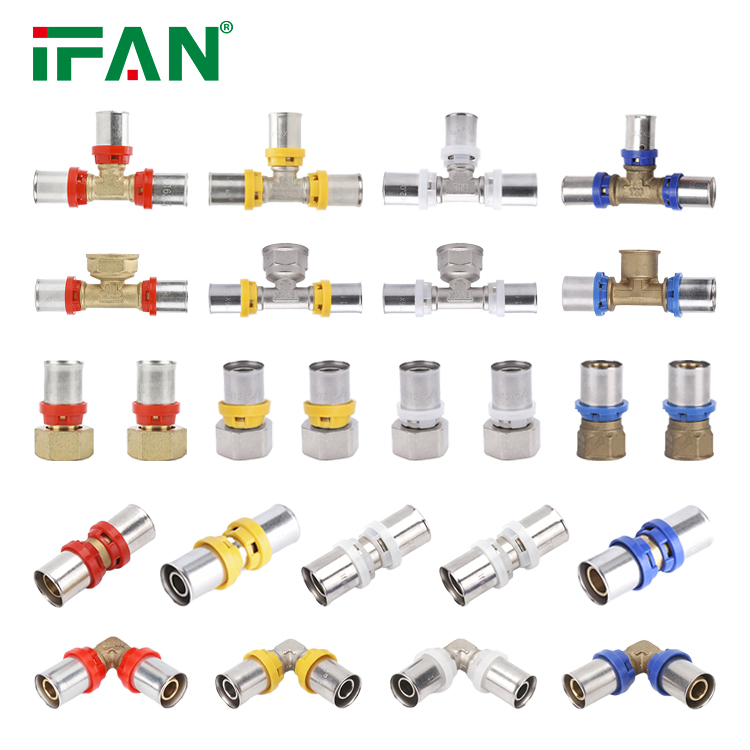
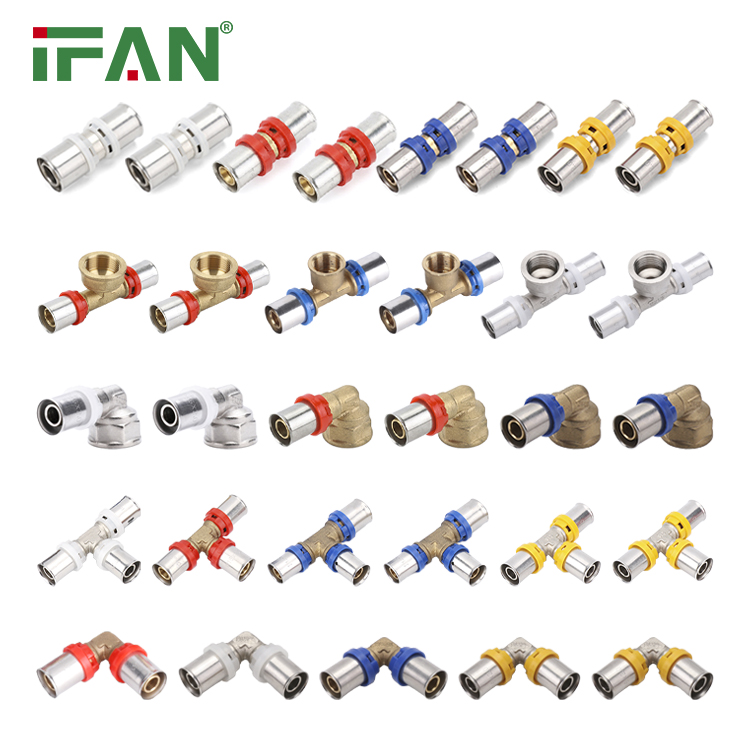
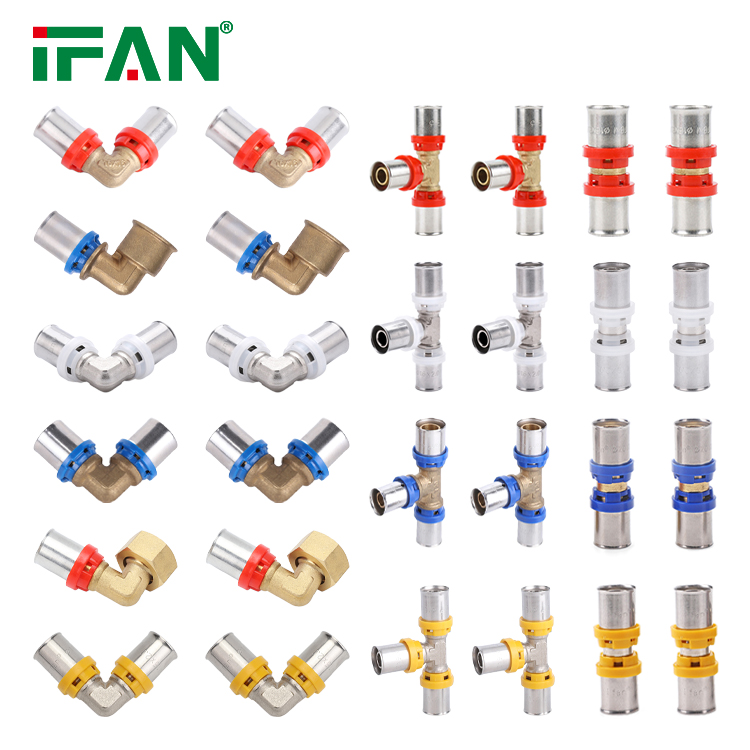
IFAN factory 30+ years manufacture experience support color /size customization support free sample.Welcome to consult for catalog and free samples.This is our Facebook Website:www.facebook.com,Click to watch IFAN’s product video.Compared with Tomex products, our IFAN products from quality to price are your best choice, welcome to buy!
High-Density Polyethylene (HDPE) fittings have emerged as a crucial component in a wide range of industrial, commercial, and residential applications. HDPE is known for its strength, resistance to chemicals, and versatility, making it the material of choice for piping systems, plumbing, and irrigation. As the demand for sustainable and durable solutions continues to rise, HDPE fittings are experiencing a surge in popularity. This article explores the future of HDPE fittings, the trends shaping their evolution, and the advancements that are set to revolutionize the industry.
What Are HDPE Fittings?
HDPE fittings are used to connect sections of HDPE pipes in various systems. These fittings include couplings, elbows, tees, reducers, and other types of connectors designed to allow fluid flow through a pipeline. The benefits of HDPE fittings include their ability to resist corrosion, their flexibility, and their longevity, making them a preferred choice for industries such as water supply, gas distribution, and wastewater management.
The Growing Demand for HDPE Fittings
The global demand for HDPE fittings has been steadily increasing due to several factors. First, the growing need for infrastructure development, especially in water supply and irrigation systems, has contributed to the rise in HDPE fittings usage. As industries prioritize sustainability and long-lasting solutions, HDPE offers a range of benefits that traditional materials like PVC and metal fittings cannot match.
Additionally, HDPE’s resistance to corrosion and its chemical stability make it an ideal choice for harsh environments. This is particularly important in industries such as mining, agriculture, and chemicals, where systems often face exposure to aggressive chemicals, UV rays, or extreme temperatures.
Trends Shaping the Future of HDPE Fittings
1. Increased Demand for Sustainable Solutions
As global awareness of environmental issues grows, the focus on sustainability in industries like construction and plumbing intensifies. HDPE fittings are recyclable and environmentally friendly, contributing to their rise as a sustainable choice for both residential and industrial applications. Unlike traditional materials such as metal or PVC, HDPE is less harmful to the environment during production and disposal.
2. Smart and Connected Technologies
The future of HDPE fittings is set to embrace smart and connected technologies. In line with the growing trend of the Internet of Things (IoT) in the plumbing and piping sectors, HDPE fittings are being integrated with sensors and monitoring devices. These sensors can track the flow of water, detect leaks, and measure pressure, providing real-time data to users and helping prevent potential system failures.
The use of connected technologies in HDPE fittings enhances operational efficiency and reduces downtime, making it easier for industries to maintain high standards of safety and performance.
3. Advancements in HDPE Welding Technology
Welding is a common technique used to join HDPE fittings, and the future will see significant advancements in HDPE welding technology. Innovations such as electrofusion and butt fusion welding allow for seamless connections between HDPE pipes and fittings, ensuring a leak-proof system that can withstand high-pressure environments.
Improved welding techniques will not only enhance the overall reliability of HDPE systems but also reduce installation times and improve safety during the fitting process.
4. Customization and Precision Engineering
The future of HDPE fittings will involve more advanced manufacturing techniques, leading to better customization and precision. Industries are increasingly demanding fittings that are tailor-made for specific needs, whether for complex industrial setups or for residential plumbing systems.
With advances in 3D printing and other precision manufacturing technologies, HDPE fittings can be customized to fit specific pipeline configurations and requirements. This trend toward precision engineering will enhance the performance and efficiency of HDPE systems, making them even more adaptable to diverse applications.
5. Expansion into New Applications
While HDPE fittings are traditionally used in water and gas systems, their versatility has led to the expansion of their use in other applications. The future will see HDPE fittings playing a larger role in industries such as geothermal energy, telecommunications, and even transportation systems.
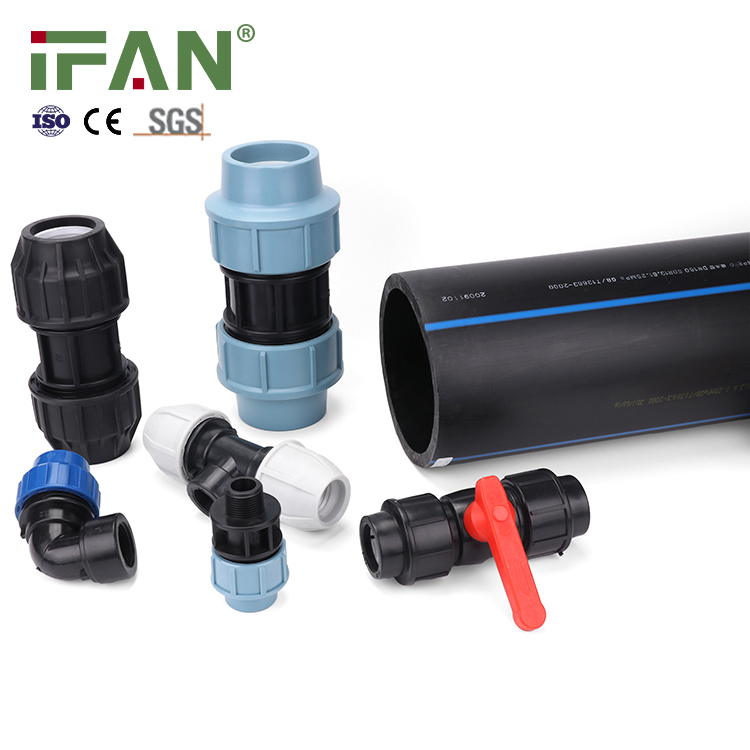
HDPE’s ability to withstand extreme conditions makes it an ideal material for applications in harsh environments, opening up new markets and areas for growth in the HDPE fittings sector.
Advancements in Materials and Production Techniques
The future of HDPE fittings will not only involve better design and application but also improvements in the materials and production techniques used. Manufacturers are exploring ways to enhance the chemical resistance, flexibility, and strength of HDPE, making it suitable for even more demanding environments.
For instance, the development of multi-layer HDPE pipes and fittings, which combine the benefits of HDPE with other materials like aluminum or steel, is a promising advancement. These composite materials can offer enhanced resistance to external factors such as pressure, temperature, and chemicals.
Moreover, advancements in the extrusion and molding processes will continue to improve the quality and consistency of HDPE fittings, reducing production costs and increasing overall efficiency.
Challenges and Opportunities
Despite the numerous advantages of HDPE fittings, the industry still faces several challenges. One of the main challenges is the need for greater standardization in HDPE fittings, as inconsistencies in fitting sizes and shapes can lead to installation errors and system inefficiencies.
However, this challenge also presents an opportunity for manufacturers to develop more standardized and universally compatible fittings. By focusing on creating consistent, high-quality products, HDPE fitting manufacturers can further strengthen their position in the market and expand their reach to new industries.
Conclusion
The future of HDPE fittings is bright, with significant advancements and trends poised to shape the industry in the coming years. From increased sustainability and the integration of smart technologies to improved welding techniques and customization options, HDPE fittings are set to play a vital role in numerous sectors. As industries continue to demand more efficient, reliable, and eco-friendly solutions, HDPE fittings will remain a top choice for many applications.
Frequently Asked Questions (FAQs)
1. What are the primary benefits of HDPE fittings?
HDPE fittings are durable, corrosion-resistant, flexible, and cost-effective. They are ideal for a variety of applications, including water supply, gas distribution, and wastewater management.
2. Can HDPE fittings be used in high-temperature environments?
Yes, HDPE fittings can withstand a range of temperatures, making them suitable for many industrial applications, although their temperature resistance can vary based on the specific grade of HDPE used.
3. What is the difference between butt fusion and electrofusion welding for HDPE fittings?
Butt fusion welding involves heating the ends of HDPE pipes and fittings and then joining them under pressure. Electrofusion welding uses an electrically heated coil within the fitting to join the pipes. Both methods create strong, leak-proof connections.
4. Are HDPE fittings environmentally friendly?
Yes, HDPE is recyclable, making HDPE fittings an eco-friendly choice compared to other materials like PVC and metal.
5. How long do HDPE fittings last?
HDPE fittings are highly durable and can last for decades, often exceeding 50 years in some cases, depending on the environment and application.