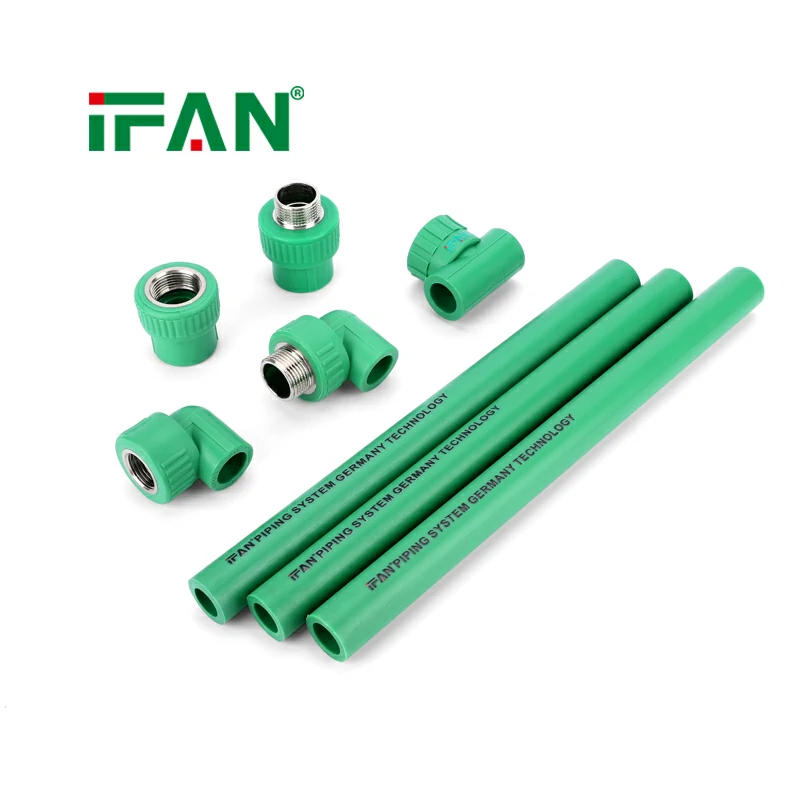
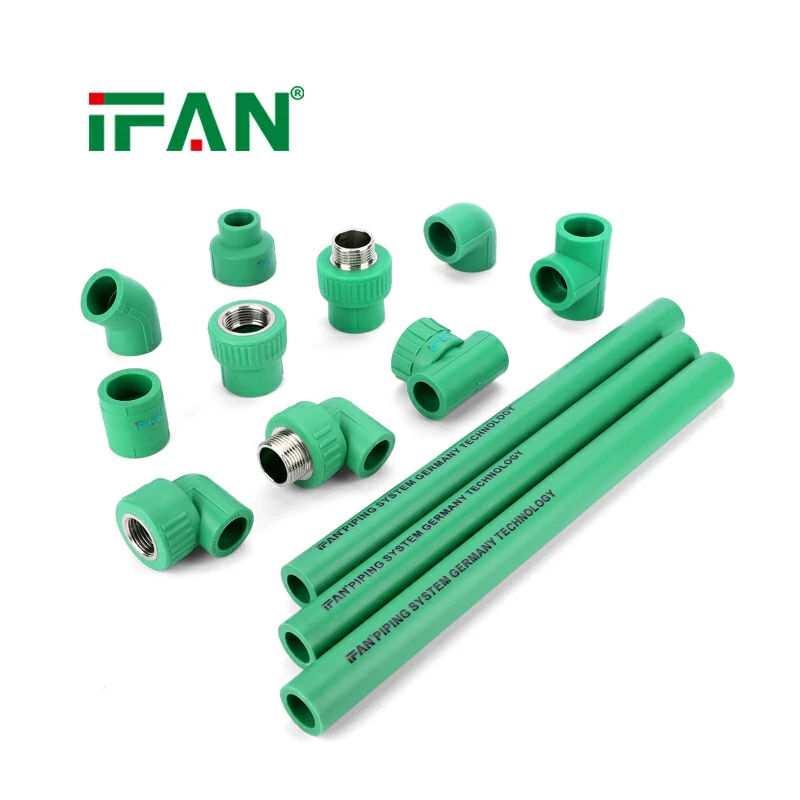
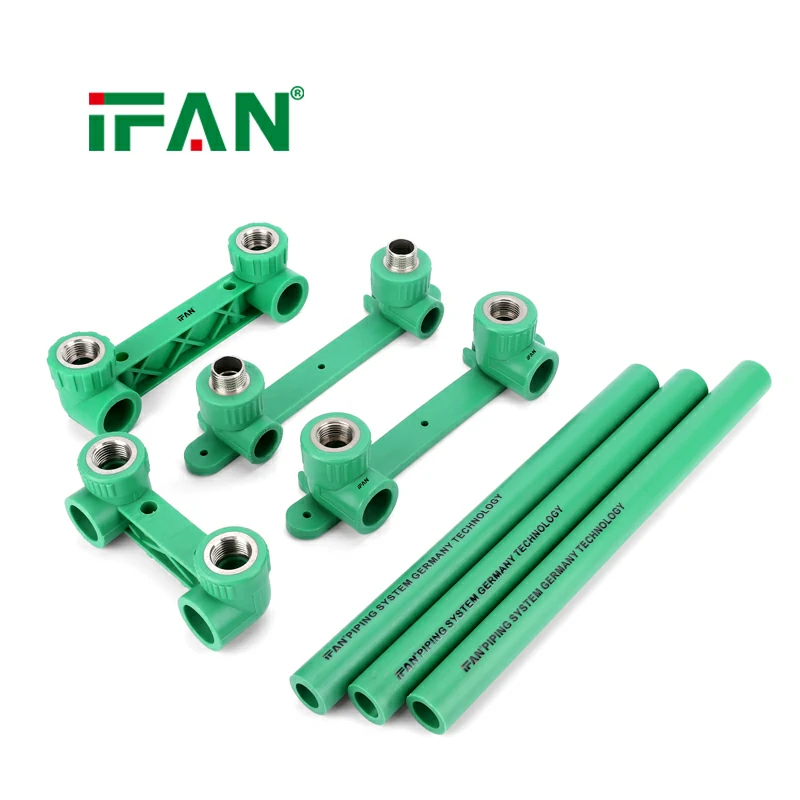
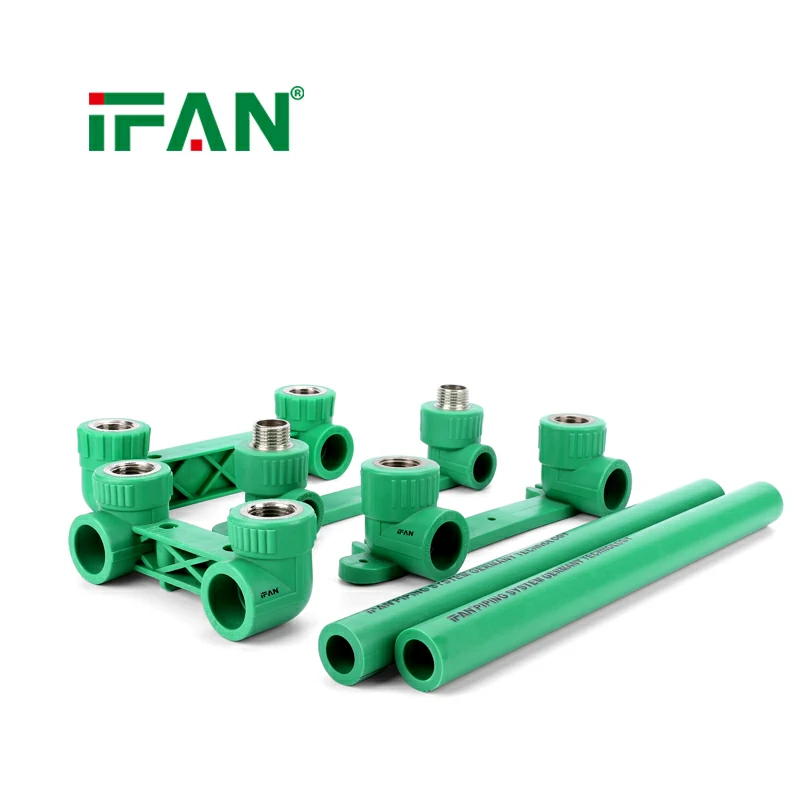
PEX (cross-linked polyethylene) pipes have become one of the most popular choices for plumbing systems due to their flexibility, durability, and ease of installation. However, a recent study conducted by the CuSP (Construction Safety and Performance) group has revealed potential fire safety risks associated with PEX piping systems, particularly when used in residential and commercial applications. This article will delve into the findings of the CuSP study, explore the fire safety concerns related to PEX pipes, and provide recommendations for minimizing these risks. We will also examine the role of PEX press fittings in ensuring the safety and efficiency of PEX systems.
What is PEX and PEX Press Fittings?
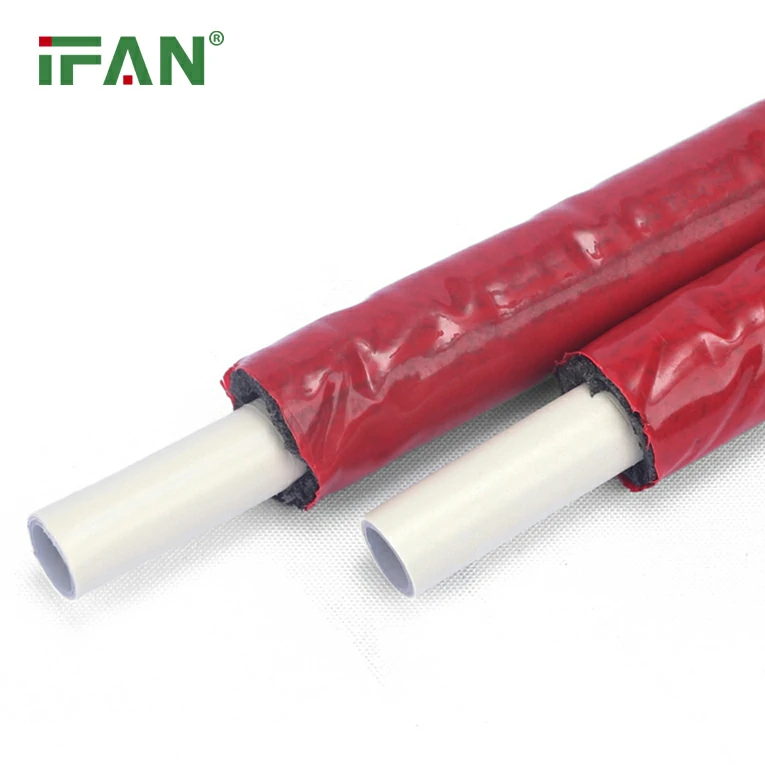
PEX pipes are plastic pipes made from cross-linked polyethylene, a material that is known for its flexibility, ease of installation, and resistance to corrosion. They are commonly used in plumbing, heating, and even some industrial applications. PEX pipes are especially popular in residential buildings for water supply lines, radiant heating systems, and hydronic heating.
PEX press fittings are special connectors used to join PEX pipes securely. Unlike traditional fittings that require heat or glue for installation, PEX press fittings use a simple mechanical press to create tight, leak-free connections. This ease of installation, along with the strong seal, makes PEX press fittings a favorite among contractors and DIY enthusiasts alike. However, despite their popularity, the recent CuSP study has raised concerns about fire safety when PEX is exposed to certain conditions.
The CuSP Study: Key Findings on Fire Safety Risks
The CuSP study on fire safety risks in plumbing systems revealed a range of concerns regarding the flammability of PEX pipes. Though the study concluded that PEX pipes themselves are not inherently hazardous in normal residential environments, certain conditions can increase the risk of fire, especially in areas where fire hazards are more likely.
1. Flammability of PEX Material
One of the primary findings of the CuSP study is that PEX pipes, while generally resistant to certain environmental stresses, are relatively flammable compared to other materials like copper or CPVC. Although PEX pipes are designed to withstand high temperatures, they can catch fire if exposed to an open flame or extremely high heat sources.
The study found that under intense fire conditions, PEX pipes can melt, deform, or emit toxic gases, making the situation more hazardous. In particular, the risk increases when PEX pipes are installed near electrical equipment, appliances, or other high-heat sources that could cause overheating.
2. Impact of PEX Press Fittings on Fire Safety
PEX press fittings, which are crucial for connecting PEX pipes in plumbing systems, may also contribute to fire risks if not installed correctly. The CuSP study highlighted that improper installation of press fittings could result in weak connections, which could leak water in the event of a fire. Water leaks can then fuel the fire further, leading to more significant damage or even structural collapse.
Additionally, some press fittings are made from metal alloys that can conduct heat, potentially creating a fire hazard if exposed to extreme temperatures. Although PEX press fittings themselves are not directly flammable, the materials they are made from can exacerbate fire risks in certain scenarios, particularly when used in high-heat environments.
3. Environmental Factors Contributing to Fire Risk
The study also pointed to environmental factors such as the placement of PEX pipes and the surrounding materials that can increase fire risks. PEX pipes installed in attics, basements, or areas with poor ventilation can accumulate heat, particularly if surrounded by flammable insulation or building materials. In these situations, the pipes can reach higher temperatures, leading to the possibility of combustion if a spark or flame comes into contact with the pipe.
In commercial buildings, where PEX pipes may be installed in places that are exposed to heat from industrial machinery or heating systems, the fire risks are elevated even further. It is essential to properly insulate and protect PEX systems in these environments to reduce the risk of fire.
Best Practices to Minimize Fire Risks Associated with PEX Pipes
The CuSP study has shown that while PEX pipes do present some fire safety concerns, these risks can be minimized through proper installation, maintenance, and safety measures. Below are some key strategies to reduce the potential fire hazards associated with PEX systems:
1. Use of Fire-Resistant Insulation and Protection
One of the most effective ways to reduce the fire risk is by using fire-resistant insulation around PEX pipes. Fire-resistant materials, such as fiberglass or mineral wool, can help prevent heat from reaching the PEX pipes and can also help slow the spread of flames if a fire does occur. This is especially important in areas like attics, crawlspaces, and basements, where PEX pipes may be exposed to higher temperatures.
Additionally, when PEX pipes are installed near electrical systems, using heat shields or barriers can provide an extra layer of protection against overheating.
2. Proper Installation of PEX Press Fittings
PEX press fittings should always be installed by a trained professional who is familiar with the manufacturer’s guidelines and safety standards. Correct installation ensures that the fittings are securely connected and less likely to fail in the event of a fire. It’s also essential to check for leaks or weak connections during routine maintenance, as any weakness in the system could exacerbate fire risks.
In areas with high fire risk, consider using specialized fire-resistant press fittings that are designed to withstand higher temperatures without failing. These fittings can help prevent leaks in case of a fire, reducing the risk of water contributing to the spread of the flames.
3. Avoid Installing PEX Pipes in High-Heat Areas
When planning the installation of PEX systems, it is important to avoid running pipes near high-heat sources, such as furnaces, water heaters, or industrial machinery. If PEX pipes must be installed in areas with elevated temperatures, ensure that proper fire-resistant materials are used to protect the pipes from the heat.
If PEX pipes must pass through areas with high heat or open flames, such as kitchens or garages, they should be protected by heat shields, metal conduits, or protective covers to prevent direct exposure to flames.
4. Regular Inspections and Maintenance
Regular inspections of PEX systems are essential to identify potential fire hazards. Look for signs of wear and tear, such as cracks, discoloration, or weakened fittings. Any damage to the PEX pipe or press fittings should be addressed immediately to avoid compromising the system’s integrity.
In areas where PEX pipes are exposed to potential fire risks, ensure that the system is inspected regularly for leaks or signs of heat damage. This can help prevent small issues from becoming major safety concerns.
5. Fire Sprinkler Systems in High-Risk Areas
In commercial or industrial settings where PEX pipes are installed in high-heat areas, consider installing fire sprinkler systems to help control any fire outbreaks. Fire sprinklers can significantly reduce the damage caused by a fire and may help prevent the spread of flames to the PEX pipes, minimizing the overall fire risk.
Conclusion
While PEX pipes and PEX press fittings have proven to be highly reliable and efficient for modern plumbing systems, the CuSP study has revealed important fire safety risks associated with these materials. The study emphasizes that PEX pipes are not immune to fire hazards and that, when improperly installed or exposed to high-heat sources, they can contribute to dangerous fire conditions.
To mitigate these risks, it is essential to use fire-resistant insulation, ensure proper installation of PEX press fittings, and avoid placing PEX pipes in areas with high heat exposure. Regular inspections and proactive fire protection measures, such as heat shields and fire sprinklers, can further reduce the risk of fire-related damage.
By taking these precautions, homeowners and building managers can continue to benefit from the advantages of PEX systems without compromising safety.
FAQs about Fire Safety and PEX Pipes
1. Are PEX pipes flammable?
While PEX pipes are not highly flammable under normal conditions, they can catch fire if exposed to an open flame or extremely high temperatures. PEX pipes can melt or deform under intense heat, which may contribute to fire spread.
2. How can I protect PEX pipes from fire hazards?
To protect PEX pipes, use fire-resistant insulation, ensure proper installation of PEX press fittings, avoid installing pipes near high-heat sources, and consider using fire-resistant materials for the pipes in fire-prone areas.
3. Do PEX press fittings contribute to fire risks?
PEX press fittings themselves are not directly flammable, but poorly installed or damaged fittings can lead to leaks that may contribute to water damage or fuel a fire. It’s important to install press fittings correctly and regularly inspect them for leaks or weaknesses.
4. Can I use PEX pipes in commercial buildings with high heat exposure?
In commercial buildings, PEX pipes can be used but should be protected from direct heat exposure. Use fire-resistant barriers or heat shields when PEX pipes are installed near high-heat equipment or machinery.
5. What should I do if I notice damage to my PEX pipes?
If you notice damage to your PEX pipes, such as cracks, discoloration, or any sign of heat exposure, replace the damaged sections immediately. It’s important to address issues promptly to reduce the risk of leaks or fire hazards. Regular inspections can help identify potential problems before they become serious.