Ensuring Safety with IFAN PPR Fittings
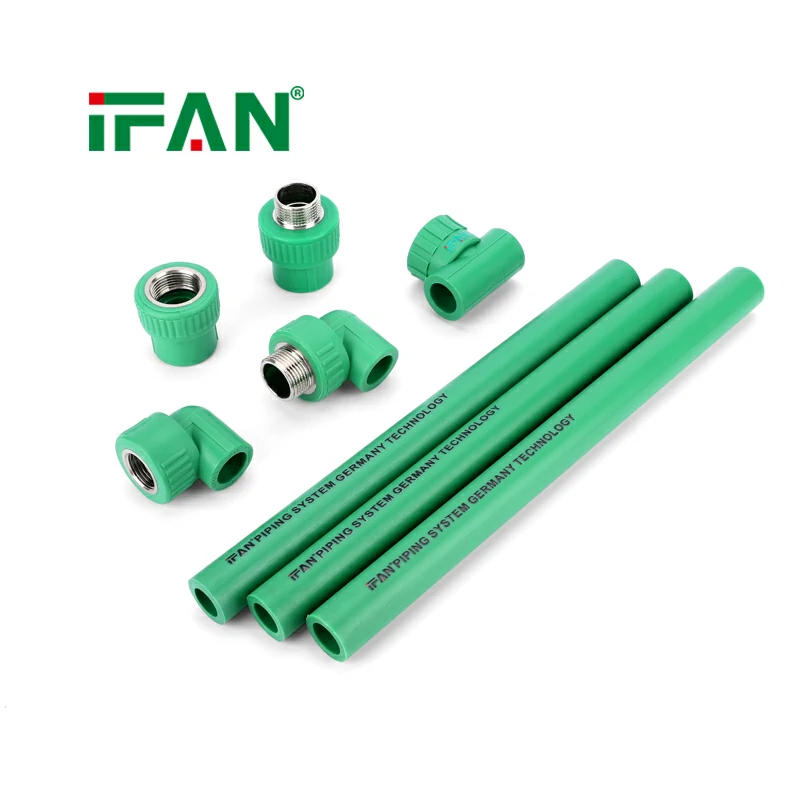
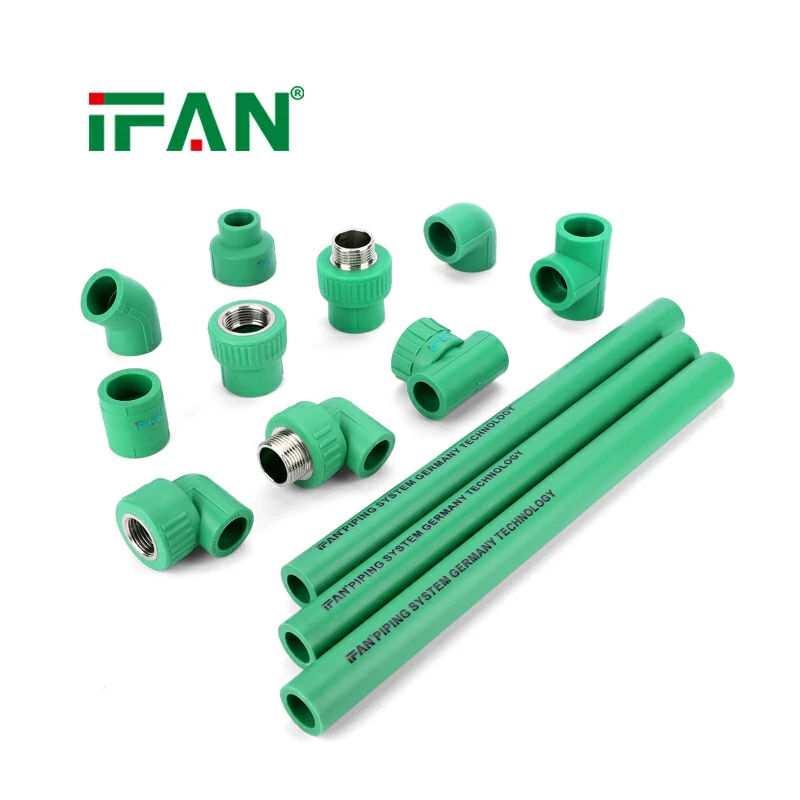
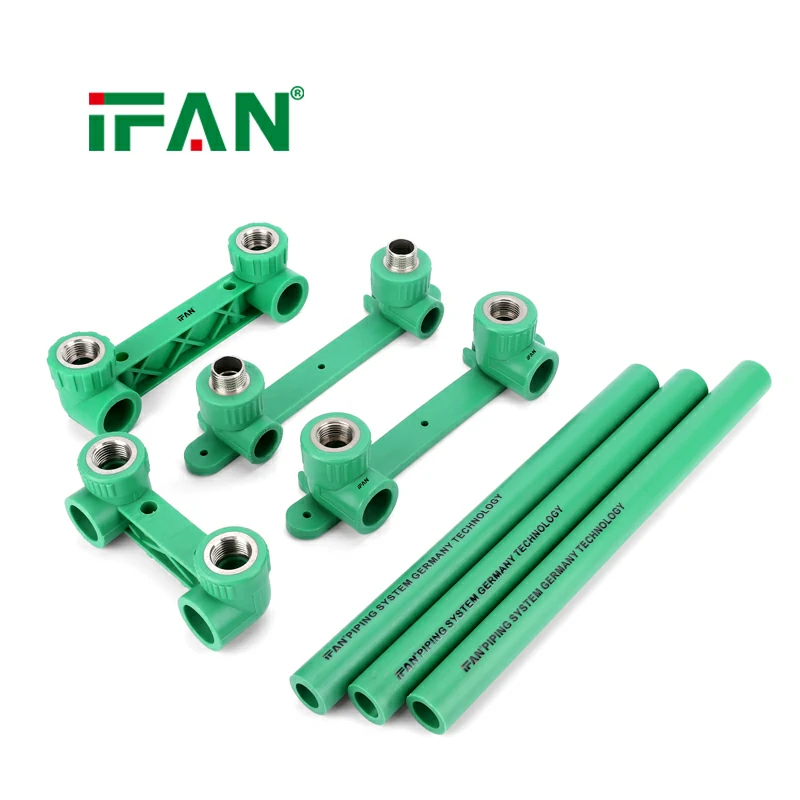
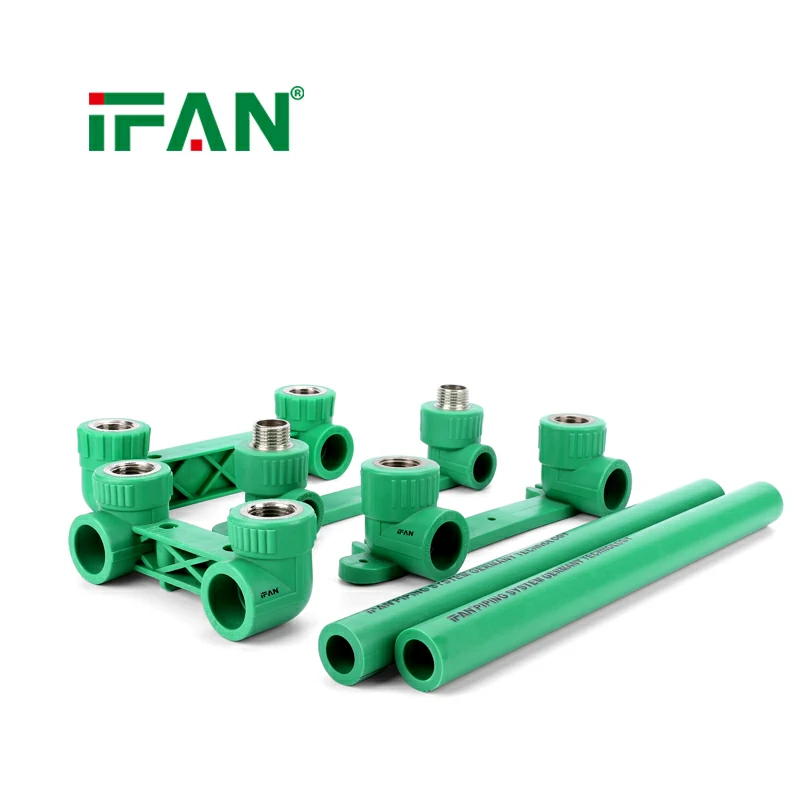
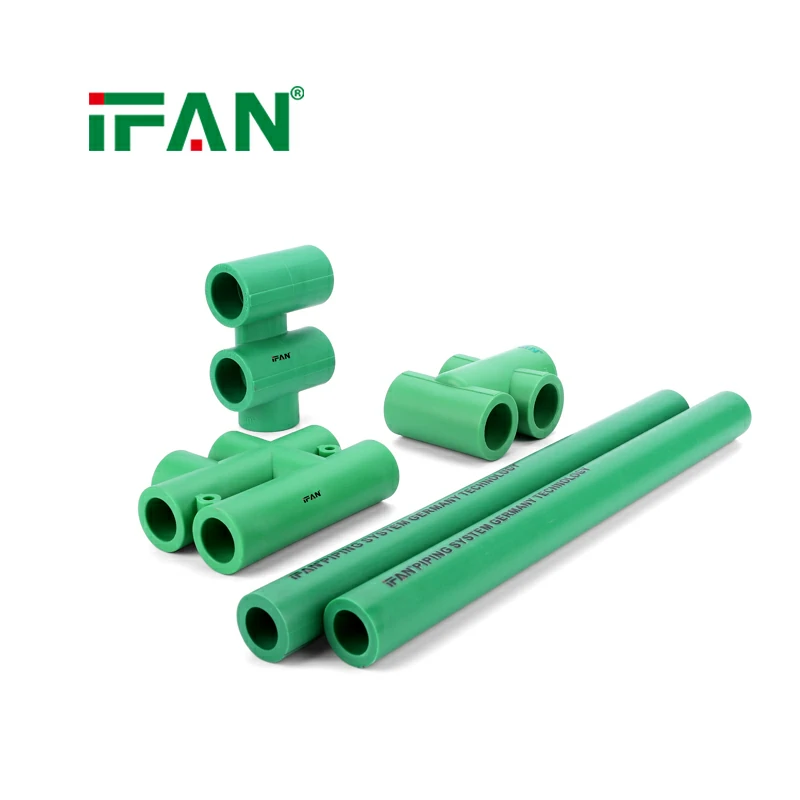
In today’s world, access to safe drinking water is crucial, and reliable piping systems play a vital role in maintaining water quality. IFAN PPR fittings are designed to provide durable and secure connections in water supply systems. Made from high-quality polypropylene random copolymer (PPR), these fittings resist corrosion and contamination, making them ideal for safe drinking water infrastructure.
Durability that Lasts
One of the standout features of IFAN PPR fittings is their exceptional durability. Unlike traditional metal fittings, PPR fittings do not rust or degrade over time. This longevity ensures that water remains uncontaminated throughout the pipe system’s lifespan. The robustness of IFAN PPR fittings translates to lower maintenance requirements and long-term cost savings for water system owners.
Efficient Installation Process
IFAN PPR fittings enable quick and efficient installation through heat fusion technology. This seamless connection method eliminates the risk of leaks and ensures a strong, permanent bond between pipes and fittings. The rapid heat-up times of IFAN PEX heating pipes complement this process, allowing installations to be completed promptly without compromising on quality or safety.
Maintaining Water Purity
Maintaining the purity of drinking water depends heavily on the materials used in the piping system. IFAN PPR fittings are non-toxic and comply with international safety standards for potable water. Their smooth interior surface minimizes deposits and bacterial growth, guaranteeing that water flowing through the system remains clean and fresh.
Versatility Across Applications
IFAN PPR fittings are versatile and suitable for a wide range of applications. From residential buildings to large-scale municipal water projects, their adaptability ensures that different system designs receive secure, leak-proof connections. This versatility is essential for meeting the growing demand for reliable drinking water infrastructure globally.
Environmental Benefits
Choosing IFAN PPR fittings also contributes to environmental sustainability. The material is recyclable and results in less waste compared to traditional piping materials. Additionally, its energy-efficient manufacturing and installation processes reduce the carbon footprint of plumbing projects, supporting greener infrastructure development.
Conclusion: Building Trust with IFAN
IFAN PPR fittings stand as the backbone of safe drinking water infrastructure, combining safety, durability, and efficiency. Their compatibility with innovative heating technologies and commitment to quality make them the preferred choice for professionals and end-users alike. Invest in IFAN PPR fittings to ensure a secure and healthy water supply for generations to come.