Introduction
Underfloor heating has become a preferred solution in modern construction. It delivers consistent warmth and improves energy efficiency. However, the system depends heavily on pipe selection. The right pipe ensures durability, heat transfer, and long service life. In this guide, we will explore what pipes are used for underfloor heating and how to choose the best option for your project.
Why Pipe Selection Matters in Underfloor Heating
Pipes act as the core component of any underfloor heating system. They transport warm water across the floor surface. This process distributes heat evenly throughout the space.
If the pipe material performs poorly, the system will lose efficiency. It may also face leaks or reduced lifespan. Therefore, choosing the correct pipe material directly impacts performance and maintenance costs.
Common Types of Pipes Used for Underfloor Heating
PEX Pipes (Cross-Linked Polyethylene)
PEX pipes are the most widely used option in underfloor heating systems. They offer flexibility, durability, and excellent thermal resistance.
Key advantages include:
- High temperature resistance
- Strong anti-corrosion performance
- Easy installation due to flexibility
- Long service life
PEX pipes also resist scaling and chemical damage. These features make them ideal for both residential and commercial heating systems.
PERT Pipes (Polyethylene of Raised Temperature Resistance)
PERT pipes have gained popularity in recent years. They provide similar benefits to PEX pipes but offer easier recyclability.
Main features include:
- Good flexibility for easy installation
- Stable performance under high temperatures
- Cost-effective solution for large projects
PERT pipes work well in low-temperature heating systems. Many contractors prefer them for radiant floor heating installations.
PEX-AL-PEX Pipes (Multilayer Pipes)
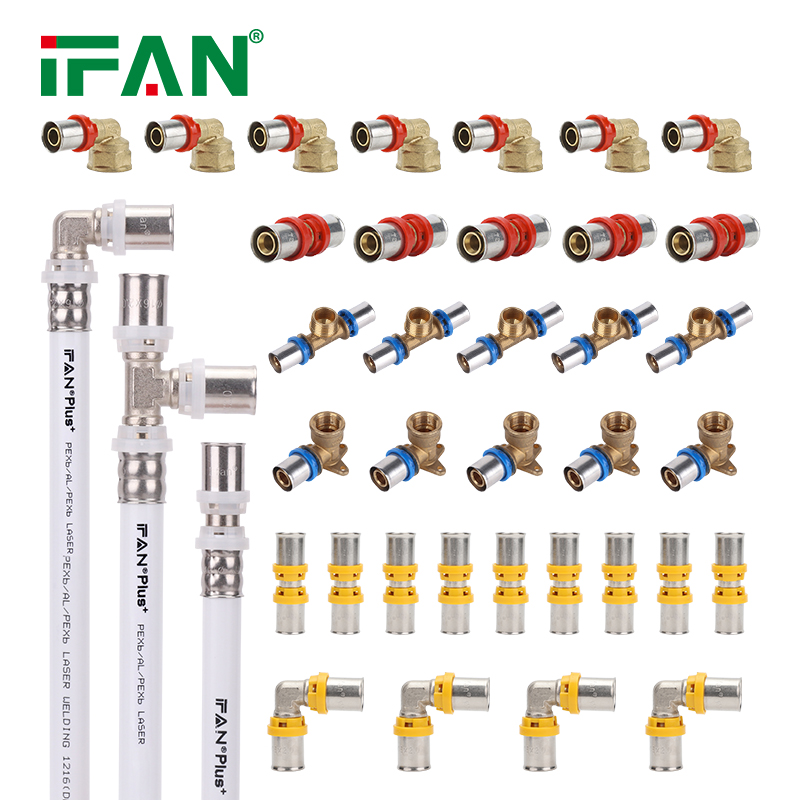
PEX-AL-PEX pipes combine plastic and aluminum layers. This structure enhances strength and thermal performance.
Key benefits include:
- Excellent oxygen barrier due to aluminum layer
- Improved dimensional stability
- Reduced thermal expansion
These pipes maintain their shape after bending. This feature simplifies installation and reduces the need for additional fittings.
PB Pipes (Polybutylene Pipes)
PB pipes were once widely used in heating systems. They offer flexibility and strong heat resistance.
However, they are less common today. Manufacturers now prefer PEX and PERT due to better long-term reliability and material improvements.
Key Factors When Choosing Underfloor Heating Pipes
Temperature and Pressure Resistance
The pipe must withstand continuous heating cycles. High-quality pipes maintain stability under both temperature and pressure variations.
Flexibility and Installation Ease
Flexible pipes reduce installation time. They also lower labor costs. Installers can easily lay them in complex floor patterns.
Oxygen Barrier Performance
Oxygen diffusion can damage metal components in the system. Pipes with an oxygen barrier prevent corrosion and extend system life.
Durability and Lifespan
A reliable pipe should last for decades. Most modern underfloor heating pipes offer a lifespan of over 50 years when installed correctly.
Installation Considerations
Proper installation ensures optimal system performance. Even high-quality pipes will fail if installed incorrectly.
Important points include:
- Maintain consistent pipe spacing for even heat distribution
- Avoid sharp bends that may weaken the pipe
- Use proper insulation beneath the pipes
- Pressure test the system before final floor installation
Professional installation reduces risks and improves efficiency.
The Role of Quality Manufacturers
The pipe market includes many suppliers, but not all offer consistent quality. Choosing a trusted brand ensures product reliability and technical support.
For example, IFAN provides a wide range of PEX, PERT, and multilayer pipes designed for underfloor heating systems. Their products meet international standards and undergo strict quality control. Many global contractors rely on IFAN solutions for stable performance and long-term durability.
Environmental and Energy Efficiency Benefits
Underfloor heating systems paired with high-quality pipes deliver strong energy savings. They operate at lower water temperatures compared to traditional radiators.
This approach reduces energy consumption while maintaining comfort. In addition, modern pipe materials support eco-friendly construction practices due to their recyclability and long lifespan.
Conclusion
Understanding what pipes are used for underfloor heating helps you make better decisions for your project. PEX, PERT, and PEX-AL-PEX pipes dominate the market due to their performance and reliability.
Each material offers unique advantages, but all aim to deliver efficient heat distribution and long-term durability. By focusing on quality, proper installation, and trusted manufacturers like IFAN, you can build a heating system that performs efficiently for decades.
Choosing the right pipe is not just a technical decision. It is an investment in comfort, efficiency, and sustainability.