Introduction
Modern water supply systems need reliable pipe connections that can perform well under pressure and changing weather conditions. Many contractors and pipeline engineers choose PP compression fittings for HDPE pipe because they offer strong sealing performance, simple installation, and long service life. These fittings support residential, agricultural, and industrial piping systems across different environments.
Durable PP compression fittings help reduce leakage risks while improving the overall stability of HDPE pipelines. Their lightweight structure also makes transportation and handling easier on construction sites. As global demand for efficient water distribution systems grows, these fittings continue to gain popularity in many markets.
What Are PP Compression Fittings?
PP compression fittings are pipe connectors made from polypropylene material. Manufacturers design them specifically for HDPE pipe systems. These fittings create secure mechanical connections without requiring welding or complex installation tools.
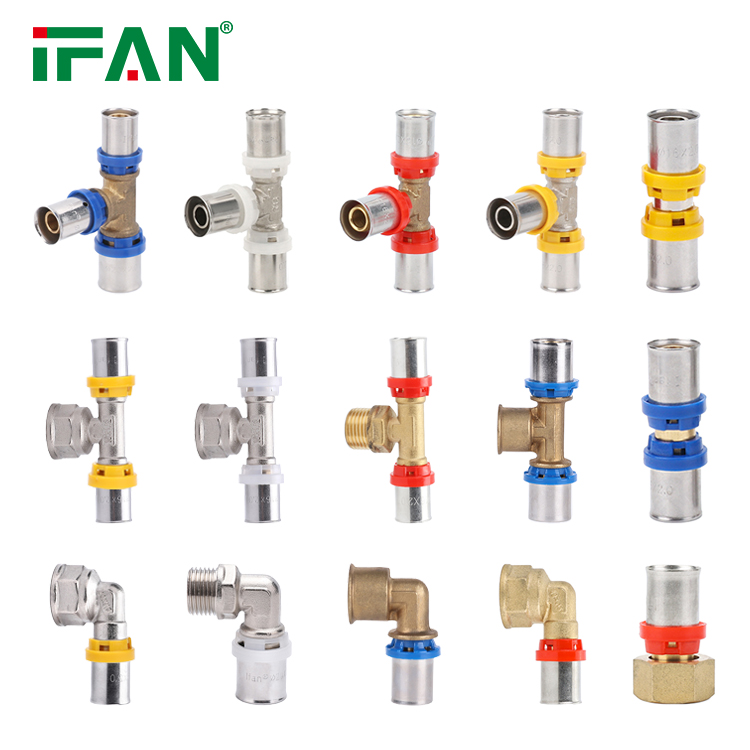
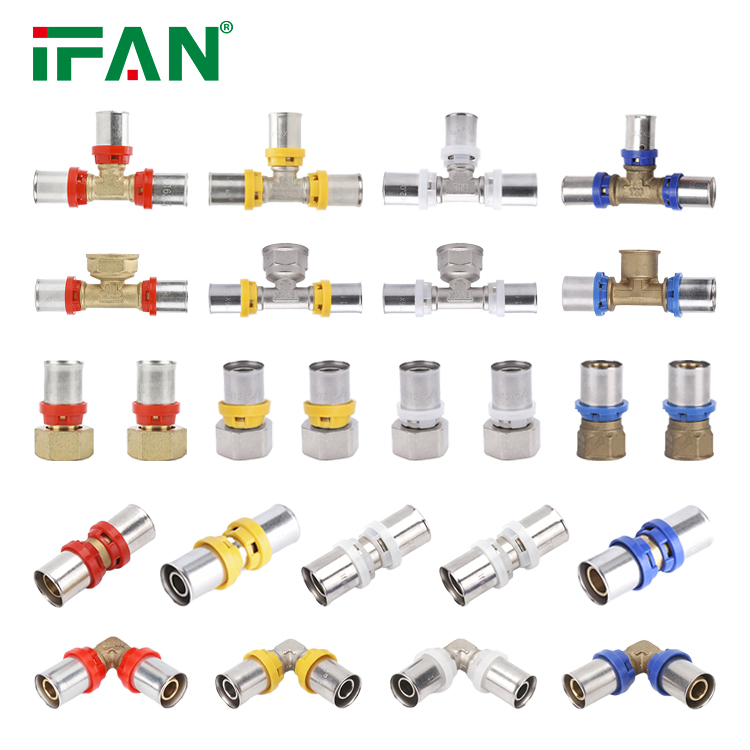
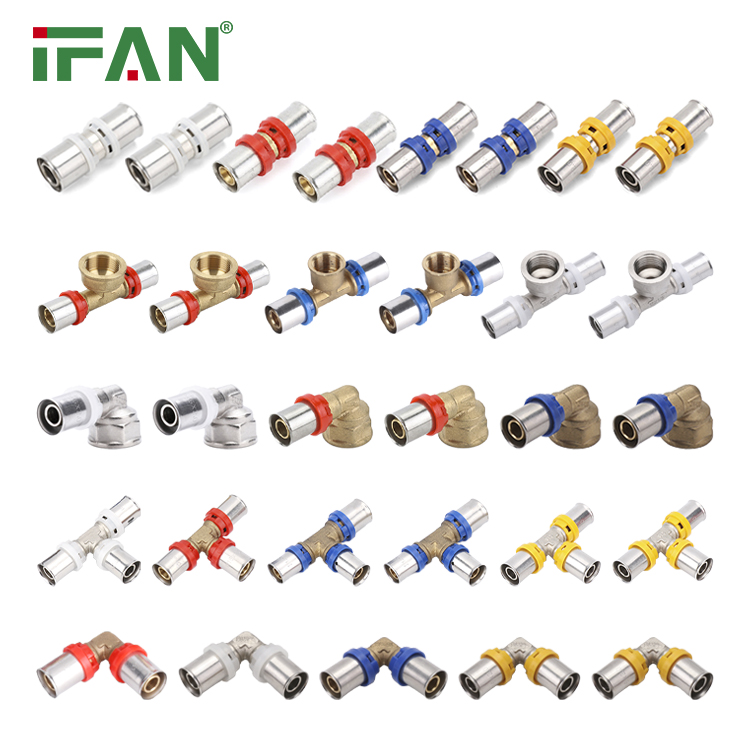
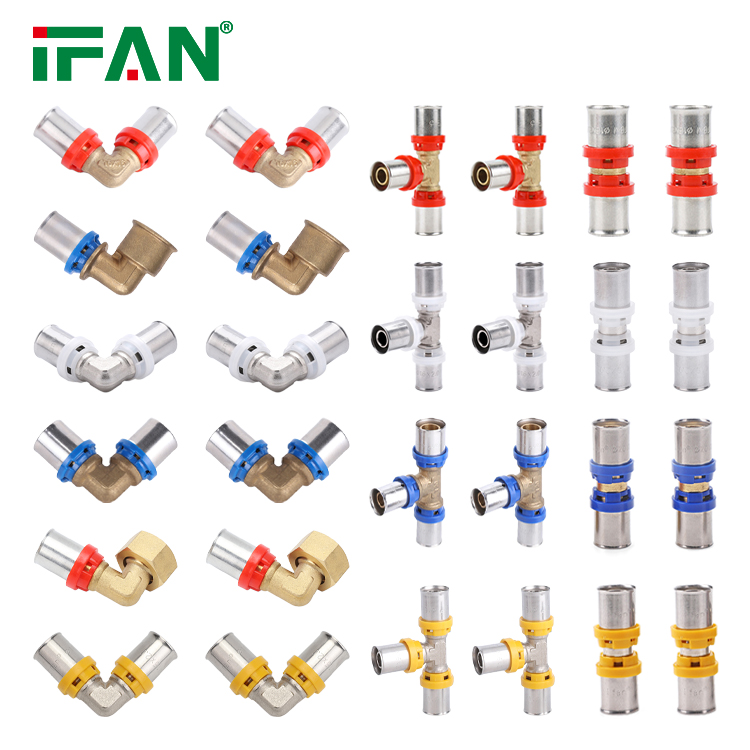
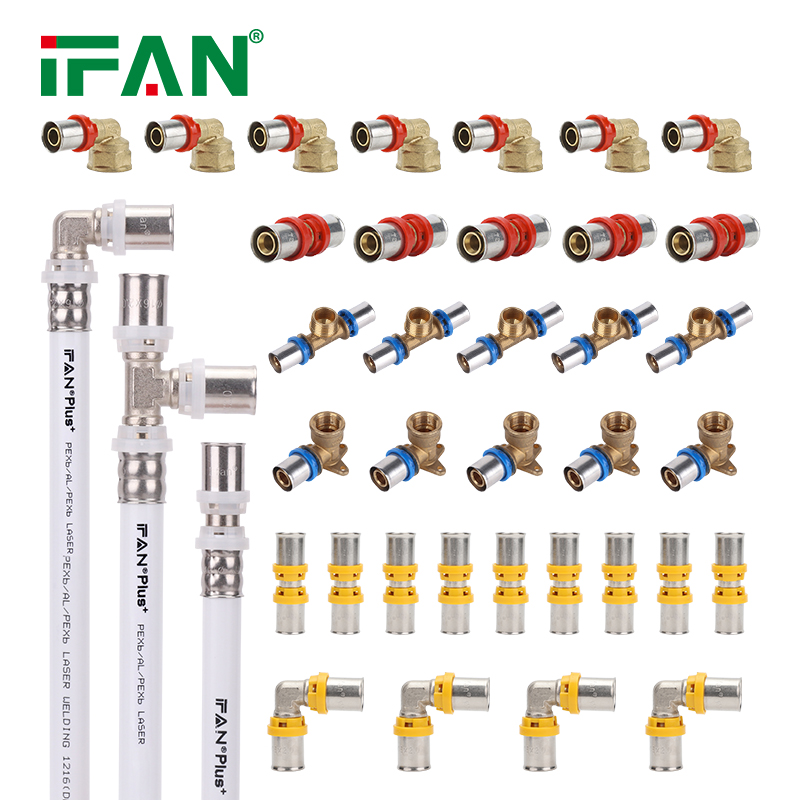
Common fitting types include elbows, tees, couplings, reducers, end caps, and threaded adapters. Each fitting supports different pipeline layouts and water flow directions. The compression mechanism forms a tight seal around the pipe, helping prevent water leakage during long-term operation.
HDPE pipes and PP compression fittings work together efficiently because both materials provide strong chemical resistance and excellent durability.
Why PP Compression Fittings Work Well with HDPE Pipe
HDPE pipes have become widely used in water transportation systems due to their flexibility and corrosion resistance. PP compression fittings complement these properties perfectly.
The fittings can handle high working pressure while maintaining connection stability. They also resist rust, scaling, and many chemical substances found in industrial or agricultural environments.
Temperature fluctuations often affect pipeline performance. Durable PP compression fittings maintain sealing reliability under both hot and cold conditions. This feature makes them suitable for outdoor applications where weather changes frequently occur.
Another advantage involves installation speed. Workers can connect pipes quickly without using heat fusion equipment. This process reduces labor costs and shortens project timelines.
Main Features of Durable PP Compression Fittings
Strong Corrosion Resistance
Metal fittings may rust over time, especially in humid environments. PP compression fittings resist corrosion naturally because polypropylene material does not react easily with water or chemicals.
This resistance extends the service life of the entire piping system and lowers maintenance expenses.
Excellent Leak Prevention
The internal sealing components create a firm connection around the HDPE pipe surface. Proper installation helps minimize leakage even under high pressure conditions.
Reliable sealing performance remains important for irrigation systems, municipal water projects, and industrial fluid transportation.
Lightweight Structure
Heavy pipe fittings increase transportation and installation difficulty. PP compression fittings remain lightweight while still providing excellent mechanical strength.
Workers can carry and install them more efficiently, especially during large-scale outdoor projects.
Easy Installation
These fittings simplify the installation process significantly. Most connections only require basic hand tools. Contractors can complete pipeline assembly quickly without specialized welding machines.
This advantage becomes especially valuable in remote construction locations.
Long Service Life
High-quality PP compression fittings often provide many years of reliable operation. Their durable structure helps resist cracking, impact damage, and environmental stress.
Long service life reduces replacement frequency and improves overall project cost efficiency.
Common Applications of PP Compression Fittings
Agricultural Irrigation Systems
Farm irrigation networks rely heavily on HDPE pipe systems because they transport water efficiently across large areas. PP compression fittings support stable water flow and resist outdoor environmental conditions.
Many farmers choose these fittings for drip irrigation and sprinkler systems.
Municipal Water Supply
Cities and towns use HDPE pipelines for clean water distribution projects. Durable PP compression fittings help maintain safe and secure pipeline connections in underground and surface installations.
Their leak-resistant design supports long-term infrastructure reliability.
Industrial Fluid Transport
Factories often transport chemicals or process water through HDPE piping systems. PP compression fittings resist many chemical substances, making them suitable for industrial applications.
Their durability also helps reduce unexpected maintenance interruptions.
Garden and Landscaping Systems
Landscape contractors frequently use HDPE pipe and PP compression fittings in parks, gardens, and public green areas. The fittings allow flexible pipe routing while maintaining stable water delivery performance.
How to Choose High-Quality PP Compression Fittings
Selecting the right fittings directly affects pipeline safety and durability. Buyers should evaluate several important factors before purchasing.
First, check material quality carefully. High-grade polypropylene provides better pressure resistance and longer service life.
Second, confirm compatibility with the HDPE pipe diameter and pressure rating. Incorrect sizing may lead to leakage or unstable connections.
Third, inspect sealing components. Quality rubber seals improve leak prevention and connection reliability.
Finally, choose manufacturers with strong production standards and quality inspection systems. Reliable suppliers often provide certified products with consistent performance.
Installation Tips for Better Performance
Correct installation improves fitting lifespan and sealing efficiency. Installers should cut the HDPE pipe evenly before assembly. Uneven pipe edges may affect sealing quality.
Cleaning the pipe surface before connection also helps create tighter sealing contact. Workers should tighten fittings according to manufacturer recommendations rather than using excessive force.
After installation, pressure testing helps verify system stability before full operation begins.
Regular inspection can also extend service life by identifying early signs of wear or damage.
Advantages Over Traditional Metal Fittings
Traditional metal fittings often suffer from rust and corrosion over time. They may also require more complex installation methods.
PP compression fittings provide a more economical and maintenance-friendly solution. Their lightweight structure lowers shipping costs and simplifies handling during construction.
In addition, polypropylene material performs well in chemically aggressive environments where metal components may fail.
These benefits make PP compression fittings an increasingly popular choice for modern HDPE piping systems.
Conclusion
Durable PP compression fittings for HDPE pipe provide reliable performance for water supply, irrigation, industrial transport, and landscaping systems. Their corrosion resistance, easy installation, and long service life make them an efficient solution for many pipeline applications.
As pipeline technology continues to evolve, high-quality PP compression fittings remain an essential component in modern infrastructure projects. Choosing dependable products from experienced manufacturers helps ensure stable operation and lower maintenance costs over time.
For buyers seeking trusted piping solutions, IFAN offers durable PP compression fittings designed for strong sealing performance and long-term reliability. With advanced manufacturing experience and strict quality control, IFAN supplies dependable products for global HDPE piping projects.