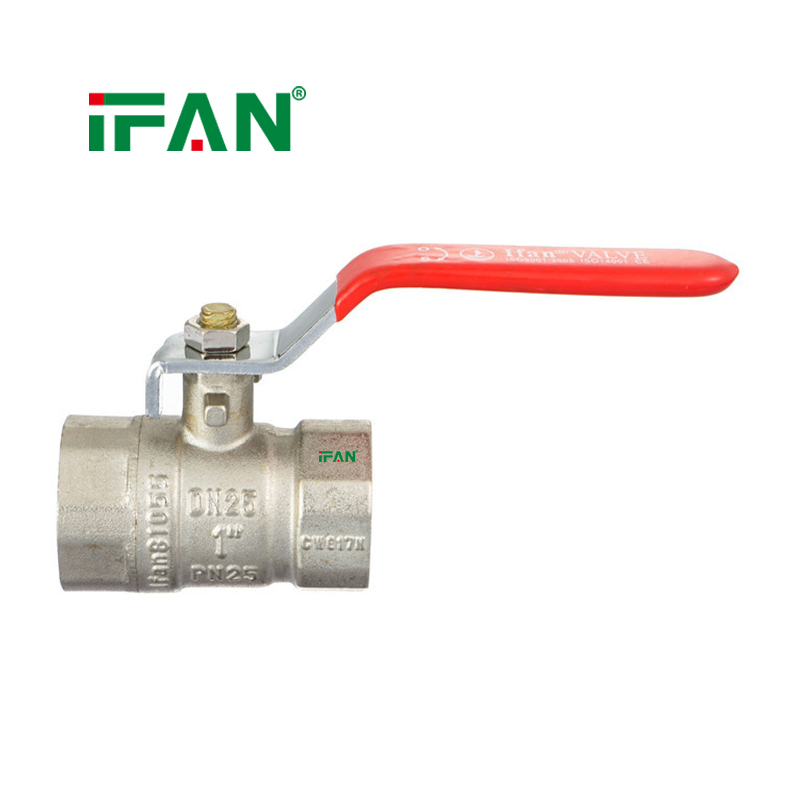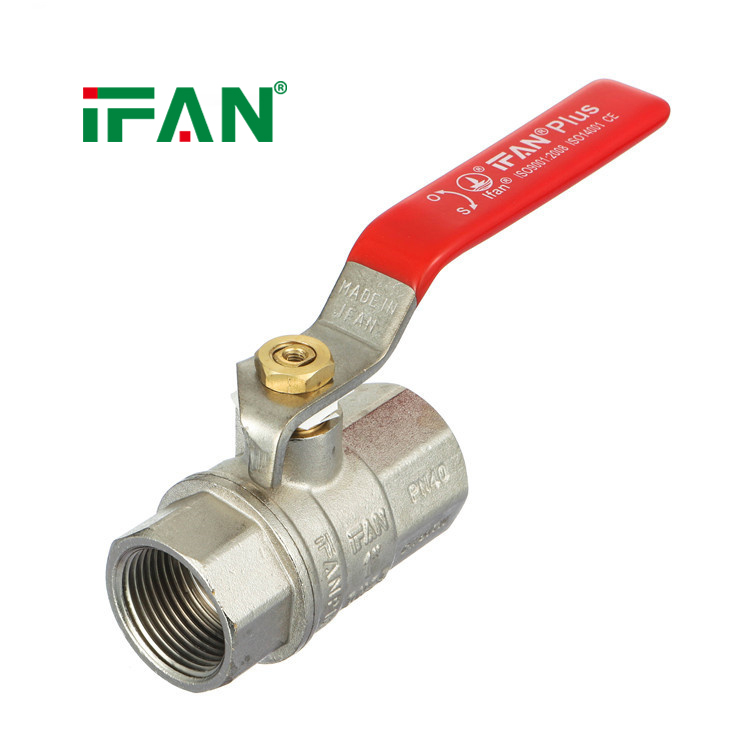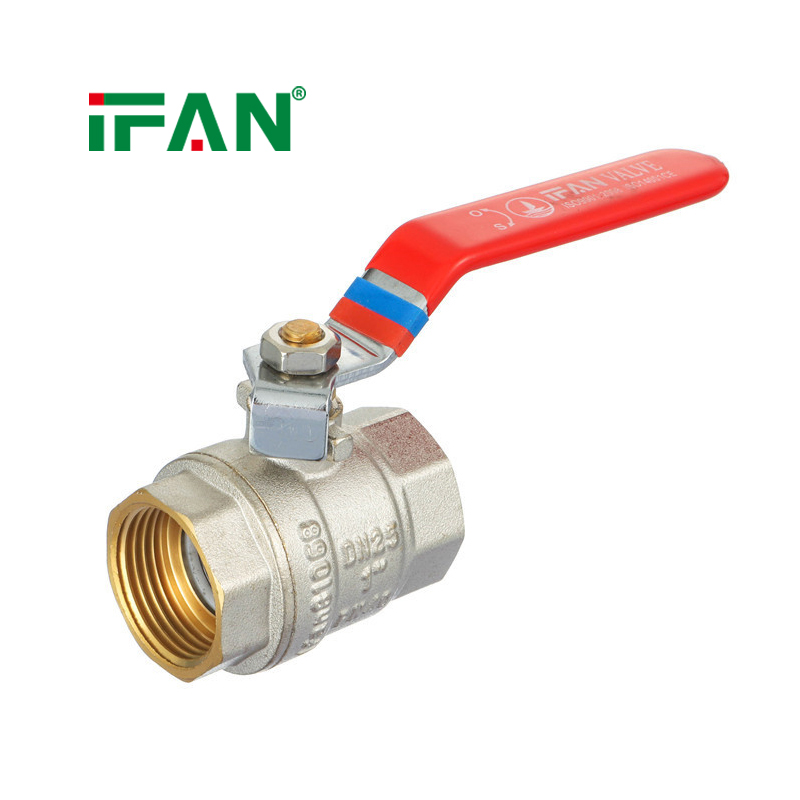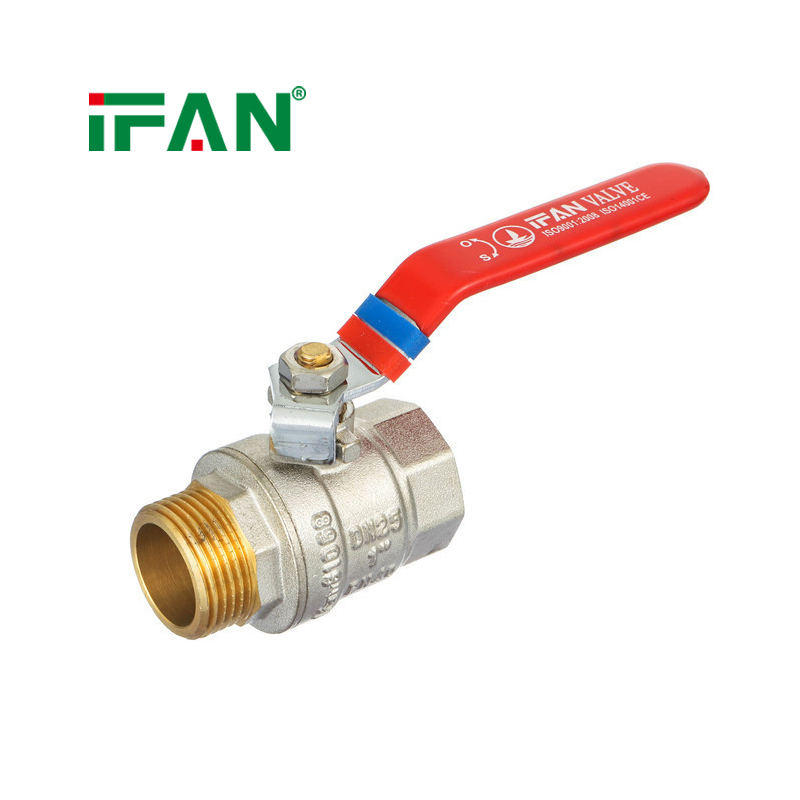
When choosing a brass ball valve, buyers often focus on size, material, and connection type. However, the port design is also an important factor.
Two common options are full port and standard port brass ball valves. Both use a rotating ball to control water flow, but the internal opening is different.
So, which one is better for your plumbing system?
The answer depends on the application. Flow requirements, installation conditions, pipe size, and budget can all influence the final choice. Understanding the difference can help buyers select the right IFAN brass ball valve for their project.
What Is a Full Port Brass Ball Valve?
A full port brass ball valve has a larger internal opening.
When the valve is fully open, the opening inside the ball is designed to provide a flow path that is closer to the pipe’s internal diameter. This can help reduce restrictions within the flow path.
Full port valves are often considered for plumbing systems where maintaining a relatively direct flow path is important.
An IFAN full port brass ball valve can be considered for suitable water supply and piping applications where the product specifications match the system requirements.
What Is a Standard Port Brass Ball Valve?
A standard port brass ball valve has a smaller opening inside the ball compared with a full port design.
This means the internal passage is more restricted when compared with a full port valve of the same nominal size.
However, this does not mean that a standard port valve is unsuitable. It may still be a practical choice for many plumbing applications.
The correct option depends on how the valve will be used and what the piping system requires.
Full Port vs Standard Port: The Main Difference
The main difference is the size of the internal flow opening.
A full port valve provides a larger passage through the ball. A standard port valve has a smaller internal passage.
Because of this difference, full port designs are often selected when minimizing flow restriction is an important consideration.
Standard port valves may be suitable where the system does not require the same internal flow passage size.
Before choosing either type, buyers should review the actual product specifications. Valve designs can vary depending on size and application.
Flow Considerations
Flow requirements are one of the first things buyers should consider.
If a plumbing system requires a relatively open internal passage when the valve is fully opened, a full port brass ball valve may be worth considering.
For systems where the valve is mainly used for basic shut-off and the application does not require a larger internal passage, a standard port design may also be suitable.
IFAN brass ball valves can be selected according to the specific flow and plumbing requirements of the project.
Installation Space and Valve Design
Full port and standard port valves can have different overall designs depending on the product.
Buyers should consider the available installation space and the connection requirements.
It is also important to make sure the valve can be accessed easily after installation. This is especially useful for valves that need to be operated regularly.
When selecting an IFAN brass ball valve, checking the product dimensions and connection details can help avoid installation problems.
Cost and Purchasing Considerations
The valve should be selected based on the project requirements rather than price alone.
A standard port valve may be suitable for applications where a smaller internal passage meets the system requirements. A full port valve may be considered when the application requires a larger internal flow path.
For wholesalers and distributors, it may also be useful to stock both options based on customer demand.
IFAN brass ball valve products can be reviewed according to the needs of different plumbing markets and purchasing plans.
Which Valve Is Better for Plumbing Systems?
Neither option is automatically better for every system.
A full port brass ball valve may be suitable when a larger internal flow passage is preferred.
A standard port brass ball valve may be suitable when the plumbing application does not require the same flow path size.
The best choice depends on several factors, including:
- Pipe size
- Flow requirements
- Valve application
- Installation conditions
- Connection type
- Project specifications
Buyers should start with the actual needs of the plumbing system before choosing a valve.
Why Consider IFAN Brass Ball Valves?
Choosing the correct port design is only one part of valve selection.
Buyers should also consider size, connection type, working conditions, and the intended application.
IFAN provides brass ball valve options for different plumbing and piping requirements. Buyers can review available specifications and select suitable IFAN brass ball valves according to their project needs.
For distributors, wholesalers, contractors, and project buyers, IFAN brass ball valves can also be considered as part of a broader plumbing product range.
Conclusion
The difference between a full port and standard port brass ball valve mainly comes down to the size of the internal flow passage.
A full port design can be considered when a larger and more direct internal passage is important. A standard port design may be suitable for applications where a smaller internal opening meets the system requirements.
There is no single answer for every plumbing project.
By reviewing flow requirements, pipe size, installation conditions, and valve specifications, buyers can make a more suitable choice. IFAN brass ball valves offer options for different plumbing and piping applications, allowing buyers to select products according to their specific requirements.