PEX press fittings are designed to make pipe connections efficient and reliable. However, even a quality fitting can fail if it is installed incorrectly.
Leaks, loose connections, and damaged fittings are often related to simple installation mistakes. For contractors, installers, and plumbing distributors, understanding these problems can help improve connection quality and reduce callbacks.
Here are seven common PEX press fitting installation mistakes and how to avoid them.
1. Using the Wrong Pipe Size
One of the most common mistakes is using a fitting that does not match the PEX pipe.
Before installation, check the pipe specification and fitting size carefully. The fitting should be designed for the specific pipe dimensions and connection system.
Do not assume that similar-looking sizes are interchangeable. For bulk projects, confirm compatibility with the supplier before ordering.
2. Making an Uneven or Poor Pipe Cut
The pipe should be properly prepared before inserting it into the fitting.
A rough, angled, or damaged pipe end can affect how the pipe sits on the fitting. This may compromise the connection.
Use an appropriate pipe cutter and make a clean, straight cut. Inspect the pipe end before continuing with installation.
3. Failing to Insert the Pipe Fully
The PEX pipe needs to reach the correct insertion position.
If the pipe is not inserted far enough, the fitting may not create the intended connection. This can increase the risk of leakage.
Installers should follow the manufacturer’s instructions and use any available insertion-depth indicators or markings.
4. Using the Wrong Press Tool or Jaw
PEX press systems require compatible installation tools.
Using an incorrect press tool or jaw can result in improper compression. Even when the fitting itself is high quality, the connection may not perform as expected.
Before installation, confirm that the press tool and jaw profile are compatible with the fitting system.
5. Pressing the Fitting Incorrectly
Correct tool positioning is essential.
The press jaw should be positioned according to the fitting manufacturer’s instructions. An incorrect position can create uneven compression or damage the fitting.
After pressing, inspect the connection. If the system provides visual indicators, use them to verify the installation.
6. Reusing Damaged Components
Another mistake is attempting to reuse a fitting or component that has already been damaged during installation.
If a fitting, sleeve, or pipe end shows visible damage, do not assume that another press will solve the problem. Replace the affected component according to the manufacturer’s recommendations.
Using new, undamaged components can help maintain consistent connection quality.
7. Ignoring System Requirements
A correctly pressed fitting still needs to be suitable for the application.
Before installation, check the system’s pressure, temperature, fluid, pipe material, and connection requirements.
For heating or commercial plumbing systems, these conditions may be different from those of a basic residential water system.
How to Avoid PEX Press Fitting Problems
A simple installation checklist can prevent many common issues:
- Confirm pipe and fitting compatibility.
- Cut the pipe cleanly and squarely.
- Insert the pipe to the required depth.
- Use the correct press tool and jaw.
- Follow the manufacturer’s pressing procedure.
- Inspect every completed connection.
- Test the system according to project requirements.
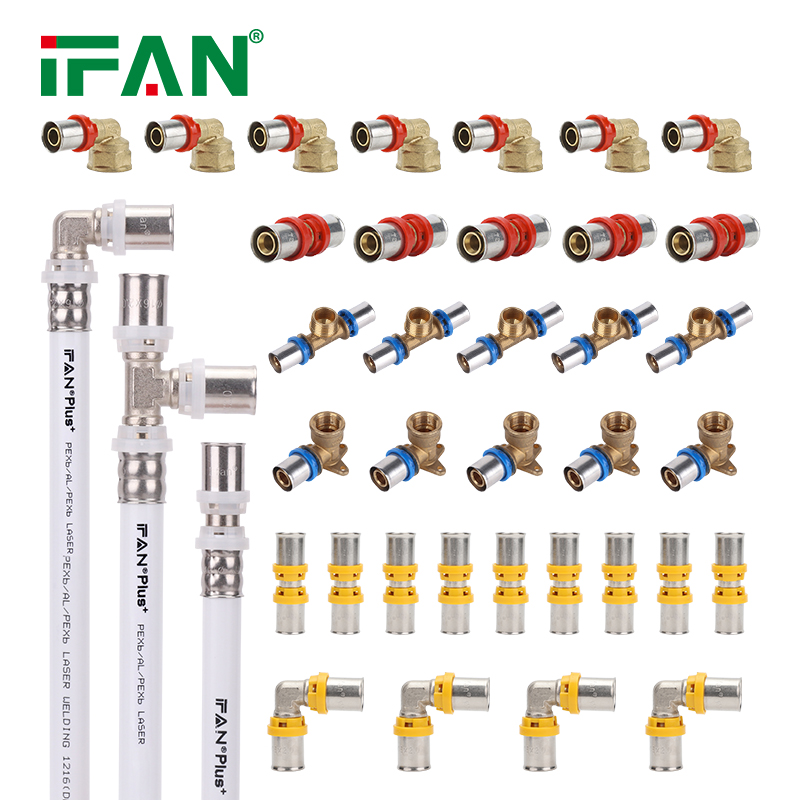
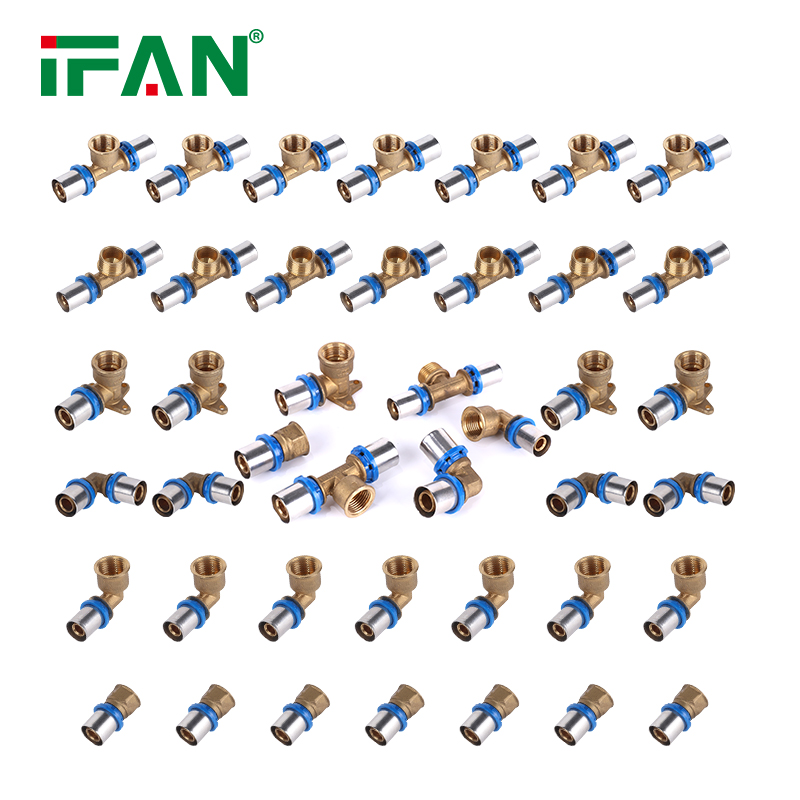
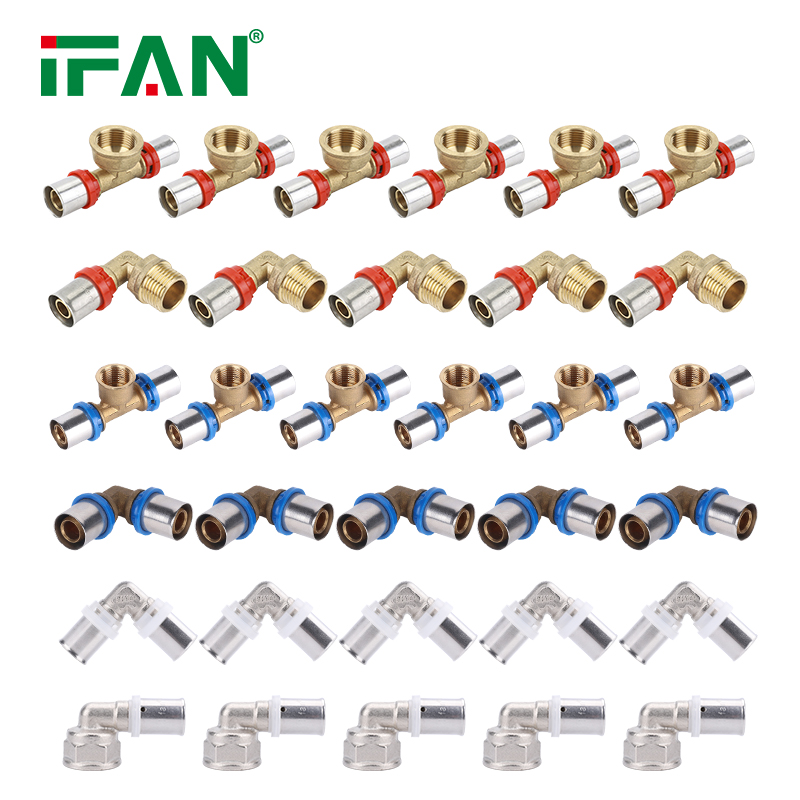
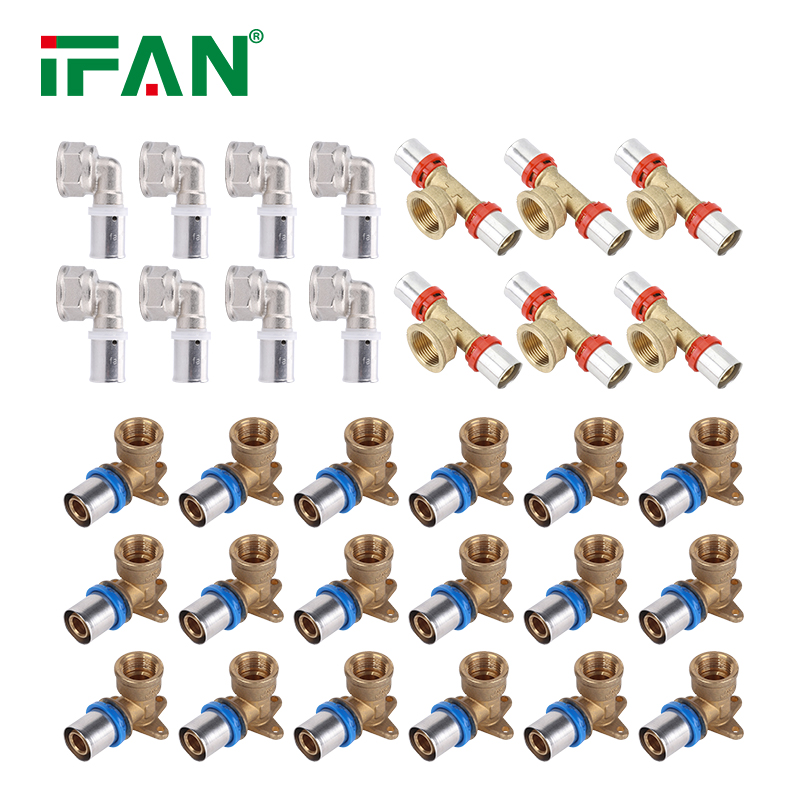
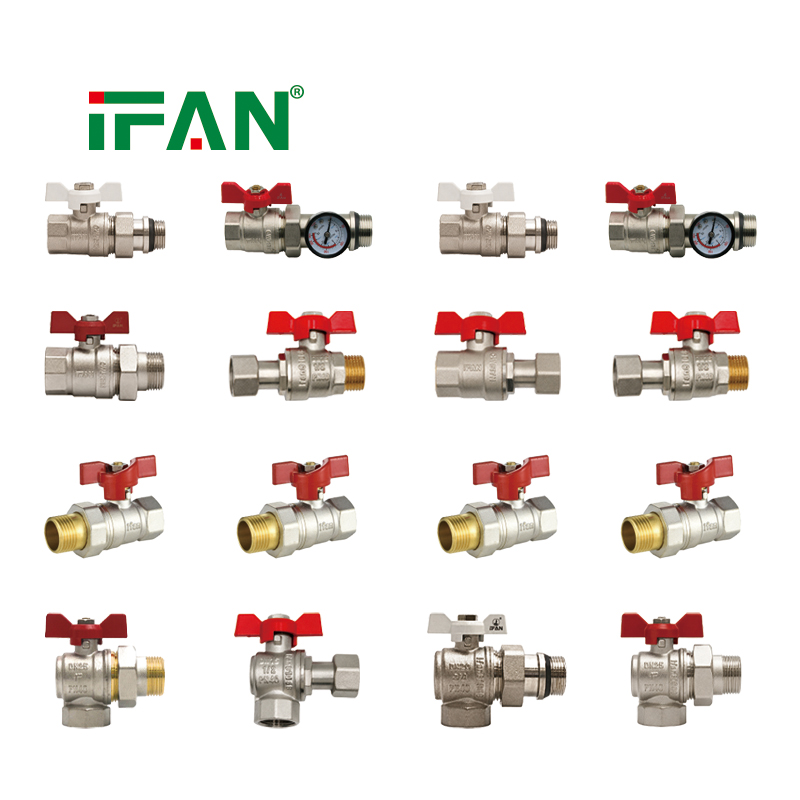
IFAN PEX brass press fittings can be considered for plumbing and heating applications when the product specifications match the pipe system. Always follow the installation instructions for the specific fitting.
Final Thoughts
Most PEX press fitting problems do not come from complicated installation procedures. They often result from incorrect sizing, poor pipe preparation, incomplete insertion, incompatible tools, or incorrect pressing.
Taking a few extra seconds to check each connection can make a significant difference.
For contractors and distributors, choosing a reliable PEX press fitting manufacturer such as IFAN and confirming product compatibility before installation can help create a more consistent plumbing system.