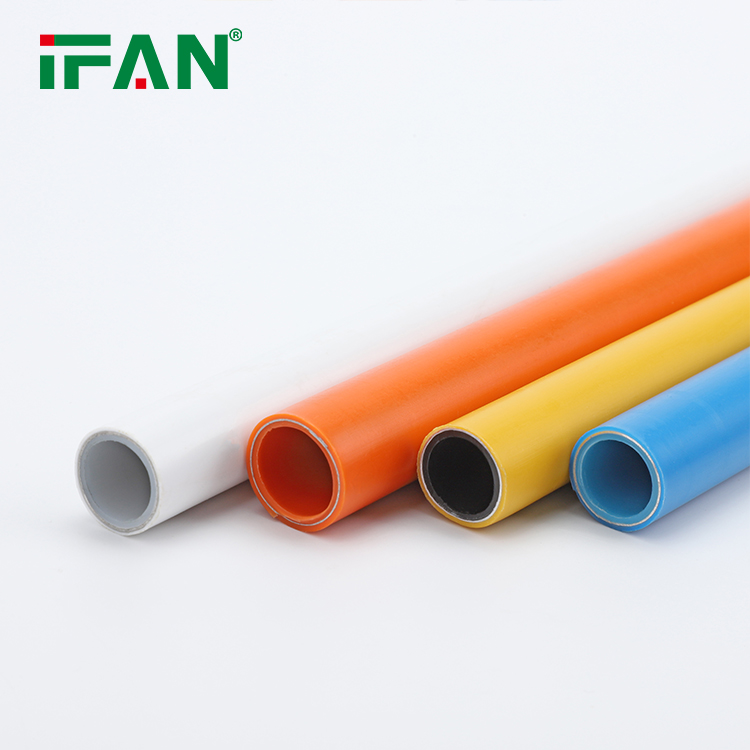
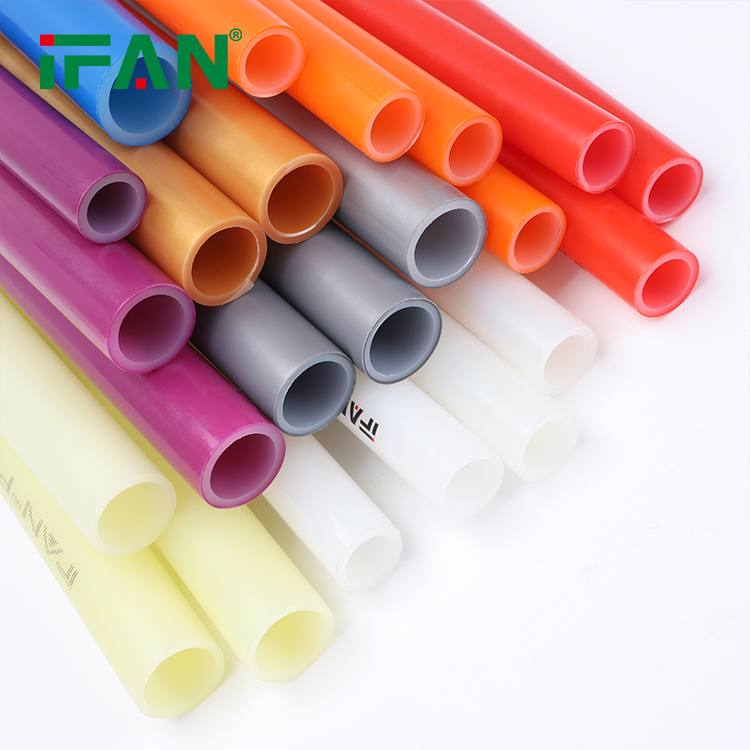
When choosing PEX pipe for hydronic heating, buyers need to look beyond diameter and price. Oxygen diffusion is another important factor. It can affect the long-term condition of metal components inside a closed-loop heating system.
Oxygen barrier PEX pipe is designed to reduce oxygen passing through the pipe wall. This helps protect compatible heating equipment from corrosion. For distributors, contractors, and project buyers, understanding this feature makes it easier to select the right pipe for each application.
1. What Is Oxygen Barrier PEX Pipe?
PEX stands for cross-linked polyethylene. It is commonly used in hot and cold water plumbing and hydronic heating systems.
Oxygen barrier PEX pipe includes an additional layer or construction designed to limit oxygen diffusion. One common solution is an EVOH layer, which acts as an oxygen barrier.
Without an effective barrier, oxygen from the surrounding environment can gradually pass through certain plastic pipes into the circulating water. The amount depends on the pipe material, construction, temperature, and operating conditions.
For closed-loop hydronic heating, this is worth considering when the system contains metal components that may be sensitive to corrosion.
2. Why Does Oxygen Diffusion Matter?
A hydronic heating system circulates water through pipes, pumps, heat sources, valves, and manifolds. Although the system is designed to operate as a closed loop, oxygen can still enter through different routes.
One possible route is diffusion through pipe walls. Oxygen entering the water can contribute to corrosion in susceptible ferrous metal components.
Over time, corrosion may produce deposits or debris. These can affect system cleanliness and may contribute to problems with pumps, valves, heat exchangers, or other equipment.
An oxygen barrier helps reduce one potential source of oxygen entry. However, it does not eliminate every source of oxygen or replace proper system design, filling procedures, maintenance, and water-quality management.
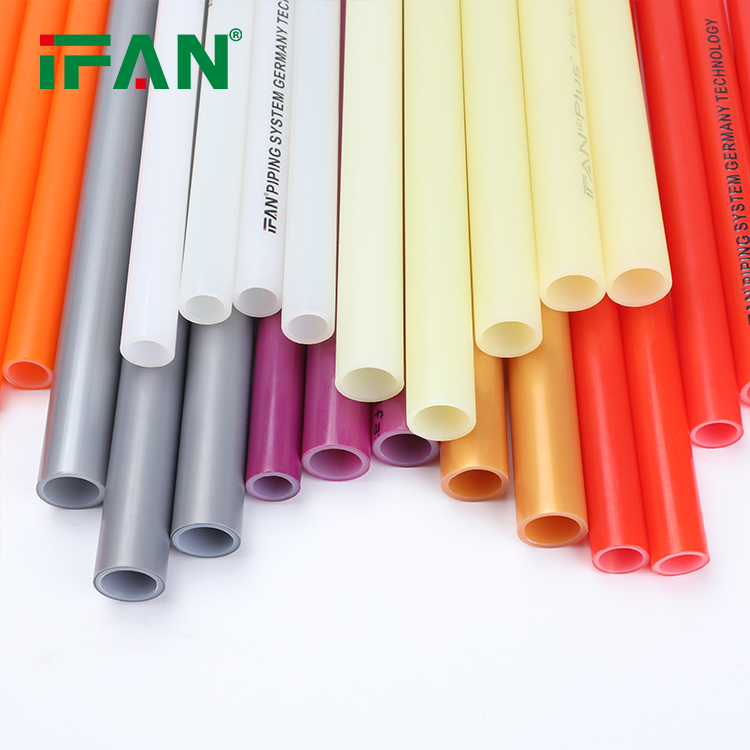
3. Which Heating Systems Need an Oxygen Barrier?
Oxygen barrier PEX pipe is often worth considering for closed-loop hydronic systems with steel or iron components.
Common applications include:
- Underfloor heating in residential buildings
- Radiant floor heating in commercial projects
- Hydronic heating systems connected to boilers
- Heating installations with metal pumps, valves, or manifolds
The actual requirement depends on the system design and the equipment manufacturer’s instructions. Some systems use corrosion-resistant materials or other protective measures.
Buyers should check the project specification before choosing a pipe. If the system designer requires oxygen-limiting pipe, a standard non-barrier pipe may not meet the intended requirements.
4. EVOH Oxygen Barrier: What Should Buyers Check?
EVOH is a material commonly used to create an oxygen barrier in heating pipes. Its purpose is to limit oxygen transmission through the pipe wall.
However, the presence of an EVOH layer alone does not prove that a product meets every project’s requirements. Buyers should review the complete pipe specification and relevant test documentation.
Important points include:
- Oxygen diffusion performance
- Pipe diameter and wall thickness
- Operating temperature and pressure ratings
- Applicable standards and market requirements
- Barrier-layer construction and product documentation
For underfloor heating projects, the buyer should also confirm that the pipe is suitable for the intended installation method and compatible with the selected fittings.
5. Oxygen Barrier PEX Pipe vs. Standard PEX Pipe
The main difference is the pipe’s ability to limit oxygen diffusion, not simply its appearance or basic material name.
Standard PEX may be suitable for applications where an oxygen barrier is not required. Oxygen barrier PEX is designed for systems where limiting oxygen entry is an important part of equipment protection.
Buyers should not assume that barrier pipe is always necessary in every plumbing application. Potable water plumbing and closed-loop heating have different design considerations.
Likewise, the barrier layer does not automatically make a pipe suitable for higher temperatures or pressures. The product’s rated operating conditions still determine where it can be used.
6. How to Choose Oxygen Barrier PEX Pipe for a Project
Before placing an order, confirm the following details with the supplier:
Application and system design: Identify whether the pipe will be used for underfloor heating or another hydronic application.
Technical ratings: Check the specified working pressure, temperature range, diameter, and wall thickness.
Barrier requirements: Confirm whether the project requires EVOH or another approved oxygen-limiting construction.
Connection compatibility: Make sure the pipe works with the specified fittings and connection tools. Not all PEX connection systems are interchangeable.
Quality documents: Request technical data sheets and applicable test reports or certifications for the destination market.
For wholesale buyers, it is also useful to confirm coil lengths, packaging, order quantities, and production lead times. These details help support more predictable purchasing and installation planning.
7. Why Consider IFAN PEX Pipe for Heating Projects?
When sourcing PEX pipe for hydronic heating, IFAN can be included in the supplier evaluation process. Buyers should explain their system requirements and confirm which pipe constructions and sizes are available for the project.
Ask for specifications covering oxygen-barrier performance, working conditions, dimensions, and applicable standards. It is also important to verify fitting compatibility before ordering pipe and connection components together.
For distributors and contractors, clear technical documentation helps simplify product selection and reduces uncertainty during procurement. IFAN product options should be assessed against the project’s actual requirements rather than selected by brand or material name alone.
Final Thoughts
Oxygen barrier PEX pipe is important in many hydronic heating systems because it helps limit oxygen diffusion through the pipe wall. This can reduce one potential contributor to corrosion in systems containing susceptible metal components.
Before purchasing, buyers should confirm the need for an oxygen barrier, check technical ratings, and review the relevant product documentation. With suitable pipe, compatible fittings, and correct installation, a hydronic heating system is better equipped to operate as intended.