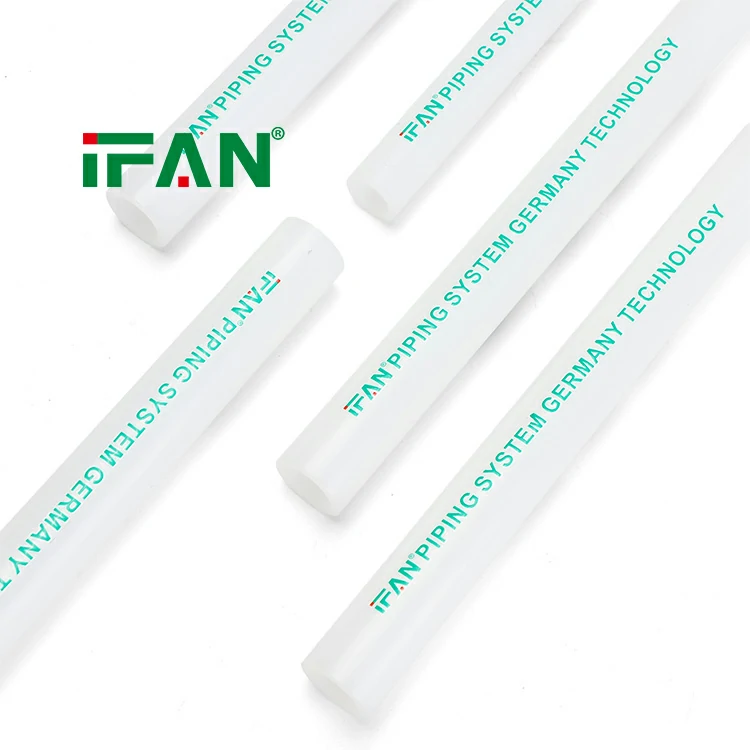
Hot water systems require pipes that can withstand high temperatures, internal pressure, and repeated heating cycles. Choosing the right material helps improve system reliability and reduce maintenance costs. Cross linked polyethylene pipe, commonly known as PEX pipe, is widely used in modern residential and commercial plumbing.
PEX pipe is made from polyethylene that has undergone a cross-linking process. This process creates bonds between polymer chains and improves the material’s thermal and mechanical properties. As a result, PEX piping is suitable for many hot water applications when the product meets the required pressure and temperature ratings.
For plumbing contractors, distributors, and construction companies, understanding PEX pipe performance can help with material selection. It also makes it easier to choose the right piping solution for different building projects.
What Is Cross Linked Polyethylene Pipe?
Cross linked polyethylene pipe is a flexible plastic pipe designed for water distribution and heating applications. The cross-linking process changes the structure of the polyethylene material. This improves its resistance to heat and helps maintain performance under normal operating conditions.
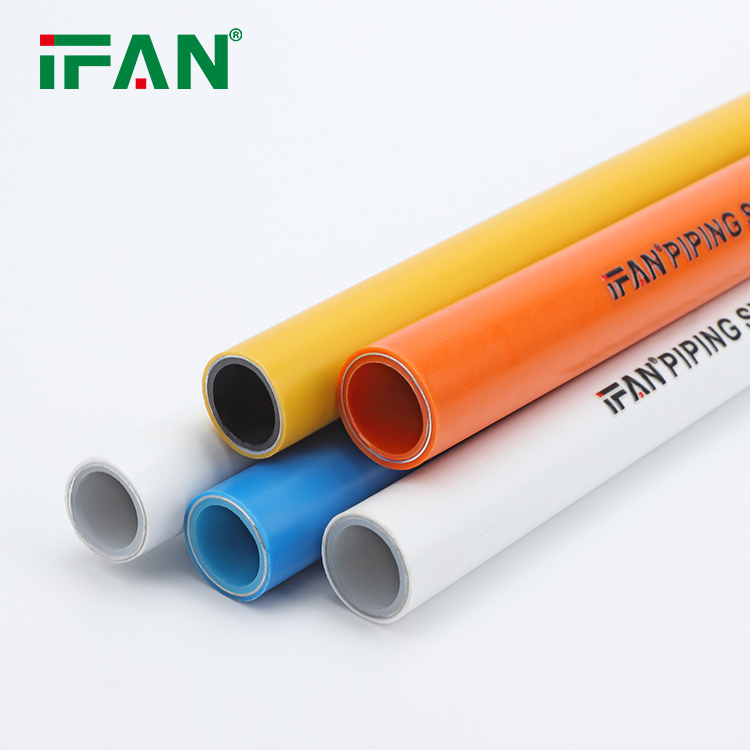
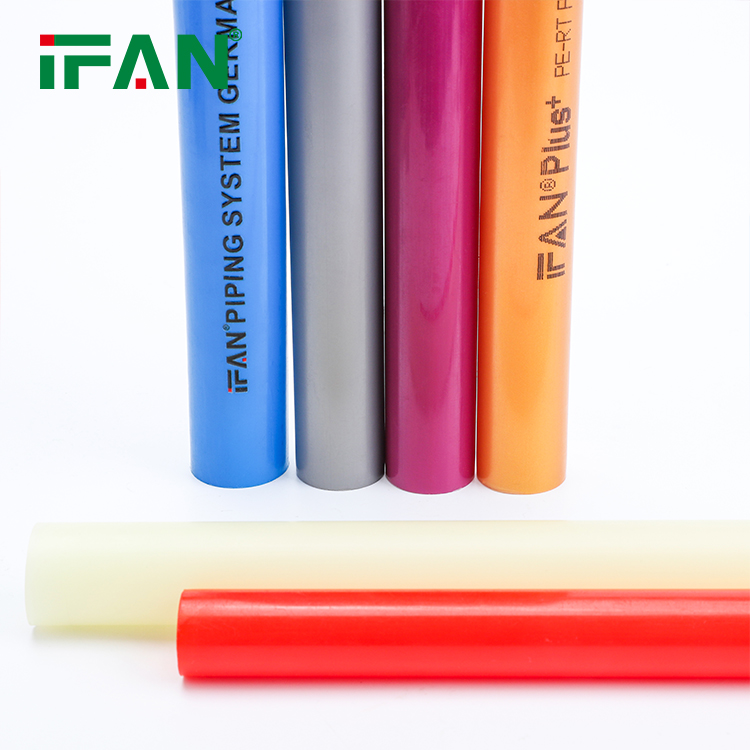
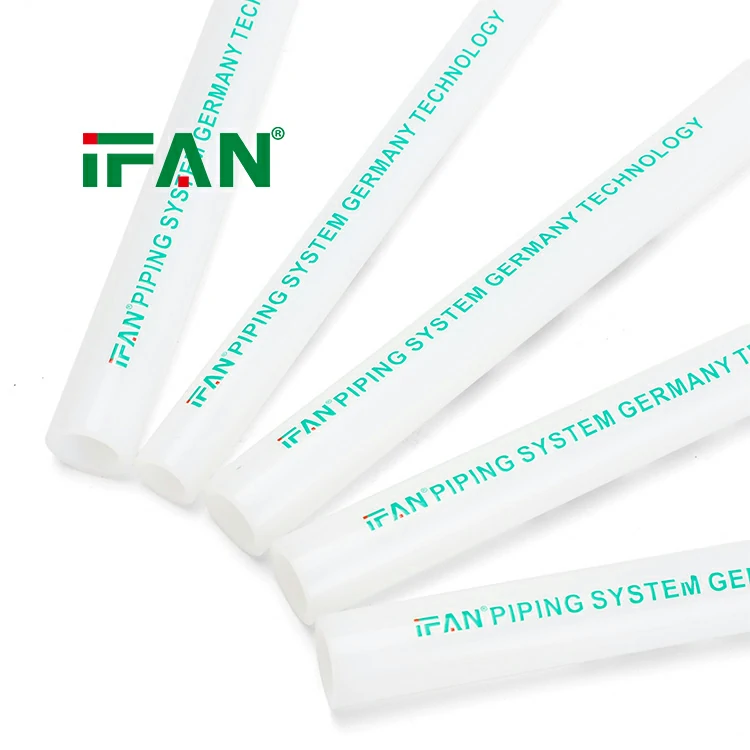
PEX pipes are available in different sizes, colors, and specifications. Common options include PEX-a, PEX-b, and PEX-c. These types differ mainly in their manufacturing and cross-linking methods.
Each type can serve specific plumbing requirements. However, performance depends on the pipe design, production quality, and applicable standards.
PEX pipe is commonly used in hot and cold water supply systems. It is also found in underfloor heating, radiator connections, and other hydronic heating installations.
Why Use PEX Pipe for Hot Water Systems?
Hot water pipes experience temperature changes throughout the day. The material must handle these changes without losing its essential properties.
Cross linked polyethylene pipe offers several advantages for these applications. Its flexible structure allows installers to route pipes through walls, floors, and other confined spaces.
PEX pipe also resists many forms of corrosion that can affect conventional metal piping. This can help reduce certain maintenance concerns during the service life of a plumbing system.
Another advantage is its relatively low weight. Contractors can transport, cut, and handle PEX pipes with less effort than many rigid metal alternatives.
These characteristics make PEX a practical option for modern building projects. The selected product must still meet the system’s required pressure and temperature conditions.
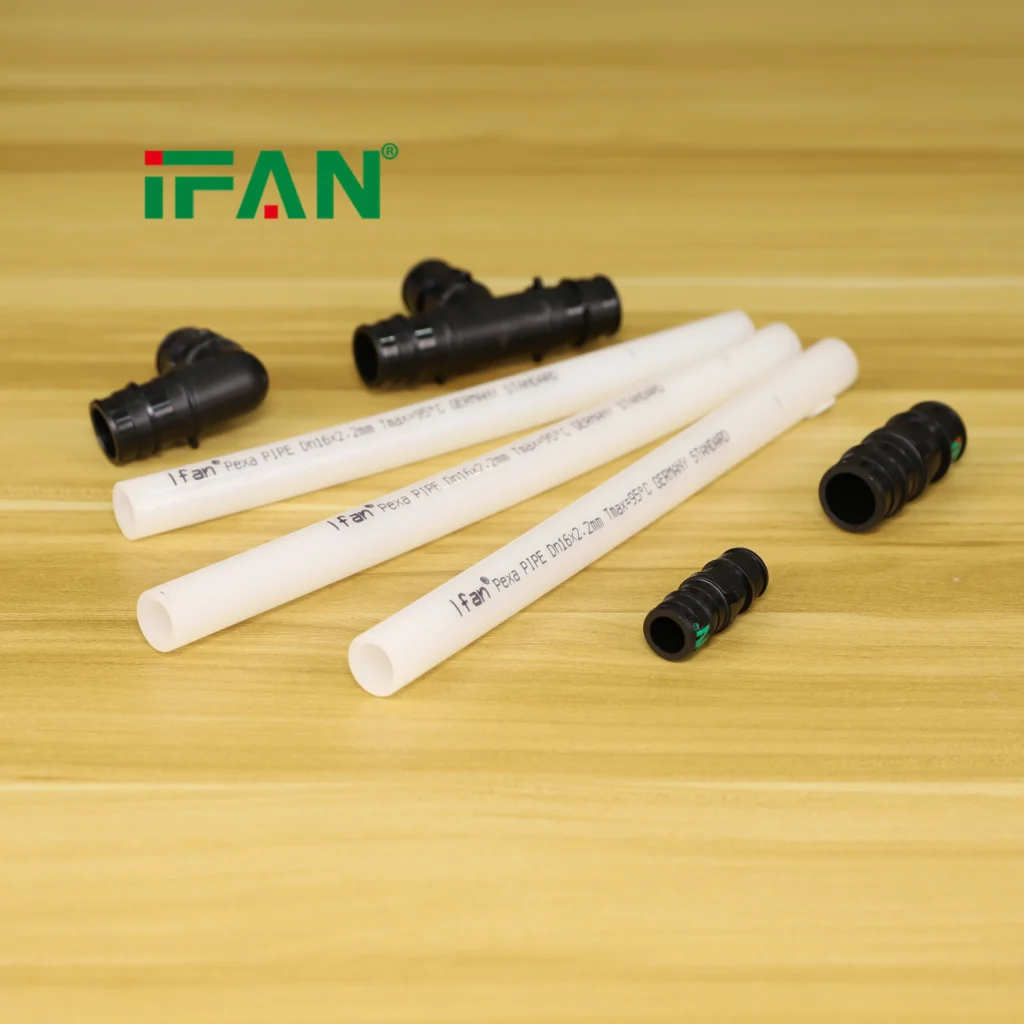
Heat Resistance and Operating Temperature
Temperature resistance is one of the most important factors when choosing a hot water pipe. The pipe must remain suitable for the expected operating conditions throughout its service life.
PEX materials are designed for hot water applications. However, maximum operating temperatures vary by product and certification.
Some PEX piping systems are rated for continuous operation at temperatures up to 82°C or 93°C under specified pressure conditions. These figures should not be treated as universal ratings for every PEX pipe.
Contractors should always check the manufacturer’s technical documentation. Pressure ratings may decrease as operating temperature increases.
The system design must also account for temporary temperature increases and local plumbing regulations. Correct product selection helps protect the entire hot water installation.
Benefits of PEX Pipe in Residential Plumbing
Residential buildings need reliable hot water distribution. Bathrooms, kitchens, laundry rooms, and utility areas may all require separate supply connections.
PEX pipe can simplify these installations because it is flexible and easy to route. Long pipe runs may require fewer fittings than some rigid piping layouts.
Fewer connections can reduce the number of potential leak points. This benefit depends on the installation design and the quality of the connections.
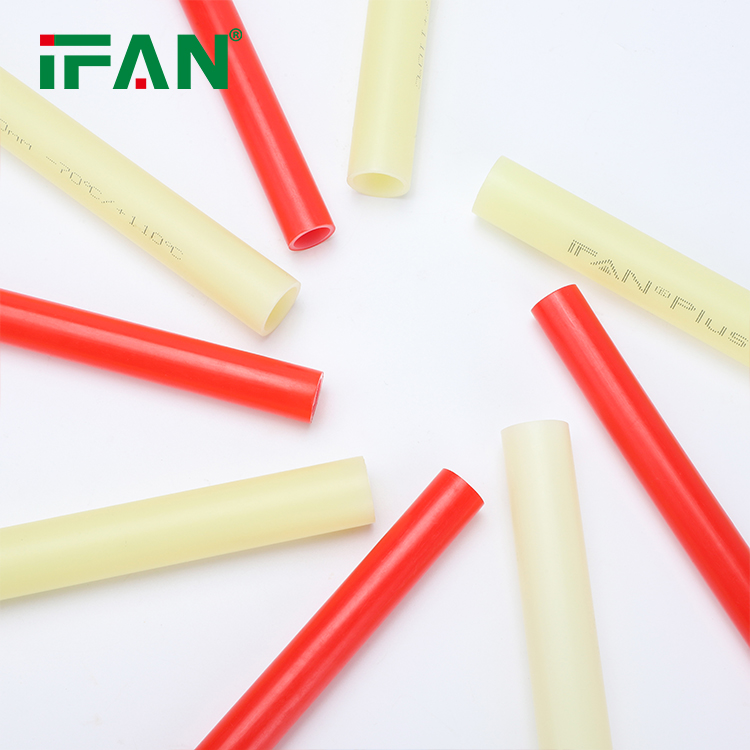
PEX pipes are also available in different colors. Red pipes are often used for hot water, while blue pipes commonly indicate cold water. Color coding helps installers identify supply lines during installation and maintenance.
For new homes and renovation projects, these features can improve installation efficiency. They also support organized plumbing layouts.
PEX Pipe for Commercial Hot Water Applications
Commercial buildings often have more complex plumbing requirements than residential properties. Hotels, apartment buildings, offices, and healthcare facilities may require extensive hot water distribution networks.
In these environments, material consistency and installation efficiency are important. PEX pipe offers a lightweight alternative to many traditional metal piping systems.
Its flexibility can help installers work around structural elements and limited service spaces. This can be useful in projects with multiple bathrooms or complex pipe routes.
However, commercial applications require careful system planning. Engineers and contractors must consider water demand, pressure losses, temperature requirements, and local building codes.
The pipe and its fittings should also be approved for the intended application. Using compatible components helps support reliable system performance.
PEX Pipe for Underfloor Heating Systems
Underfloor heating is another important application for cross linked polyethylene pipe. The system distributes warm water through pipes installed beneath the floor surface.
PEX pipe is suitable for many hydronic heating designs because it can follow planned heating circuits. Its flexibility helps installers create consistent pipe layouts across different room shapes.
The pipe must withstand the operating conditions specified by the heating system manufacturer. Correct spacing and circuit design are also important for even heat distribution.
Some projects use PEX pipes with an oxygen barrier. This layer helps limit oxygen diffusion into the heating water, which can reduce corrosion risks in compatible systems containing metal components.
Contractors should confirm whether an oxygen barrier is required. The decision depends on the heating equipment and system design.
How to Choose the Right PEX Pipe
Selecting the right PEX pipe involves more than checking its diameter. Buyers should compare several technical and commercial factors before placing an order.
Pipe size: Common sizes include 16 mm, 20 mm, 25 mm, and larger options. The correct diameter depends on the required flow rate and system layout.
Pressure rating: The pipe must support the intended working pressure at the specified temperature. Always review the manufacturer’s rating information.
Material type: PEX-a, PEX-b, and PEX-c have different production characteristics. Choose the type that matches the project requirements and installation method.
Connection system: PEX pipes may use expansion, crimp, clamp, or other approved connection methods. Pipe and fitting compatibility is essential.
Product certification: Confirm that the pipe meets relevant standards and local plumbing requirements. Certification can vary by market and application.
Supplier reliability: Consistent quality, clear documentation, and stable supply are important for contractors and distributors handling repeat orders.
Installation Tips for Hot Water PEX Piping
Proper installation is essential for long-term system performance. Installers should follow the manufacturer’s instructions and applicable plumbing codes.
Use suitable cutting tools to produce clean, square pipe ends. Damaged or uneven cuts may interfere with the connection process.
Avoid bending the pipe beyond its permitted minimum bend radius. Excessive bending can damage the pipe or restrict water flow.
Protect the pipe from sharp edges, excessive heat, and unsuitable chemicals. Where the installation requires insulation, select materials that match the operating conditions.
Connections should be installed using the approved tools and fittings. After installation, test the system according to the manufacturer’s instructions and local requirements.
Why Quality Matters When Buying PEX Pipe
Poor-quality piping can create costly problems after a building is occupied. Leaks, dimensional inconsistencies, and unsuitable material properties may lead to repairs or project delays.
Professional buyers should review production quality, material specifications, pressure ratings, and temperature limits. They should also check whether the supplier can provide consistent products across multiple orders.
For wholesalers and plumbing contractors, dependable supply is another key consideration. A manufacturer with clear technical communication can help buyers confirm specifications before production and shipment.
Comparing suppliers on quality, compliance, and service is often more useful than choosing solely by price.
Source Cross Linked Polyethylene Pipe from IFAN
For plumbing contractors, wholesalers, and construction suppliers, IFAN offers a range of piping products and plumbing components for different market requirements.
With manufacturing experience and product supply capabilities, IFAN supports customers seeking practical solutions for water supply and heating projects. Buyers can discuss product specifications, pipe sizes, fitting compatibility, packaging, and customization requirements.
When sourcing cross linked polyethylene pipe, it is important to confirm the exact material type and technical ratings for the intended application. IFAN can help customers discuss their purchasing needs and identify suitable product options.
Whether you are supplying residential plumbing projects or expanding your distribution business, working with a reliable manufacturer can simplify procurement.
Contact IFAN to learn more about PEX pipe products, factory pricing, and available samples.
Conclusion
Cross linked polyethylene pipe is a practical choice for many hot water systems. Its heat resistance, flexibility, lightweight construction, and corrosion resistance make it suitable for a wide range of plumbing applications.
From residential water supply to commercial buildings and underfloor heating, PEX pipe offers installation advantages when selected correctly. The final choice should depend on operating temperature, working pressure, pipe dimensions, connection methods, and local regulations.
For contractors and distributors, product quality and supplier reliability are equally important. By selecting a suitable PEX piping system and following proper installation practices, professionals can build dependable hot water networks that meet project requirements.
IFAN provides plumbing product solutions for buyers seeking reliable supply and professional support for their piping projects.