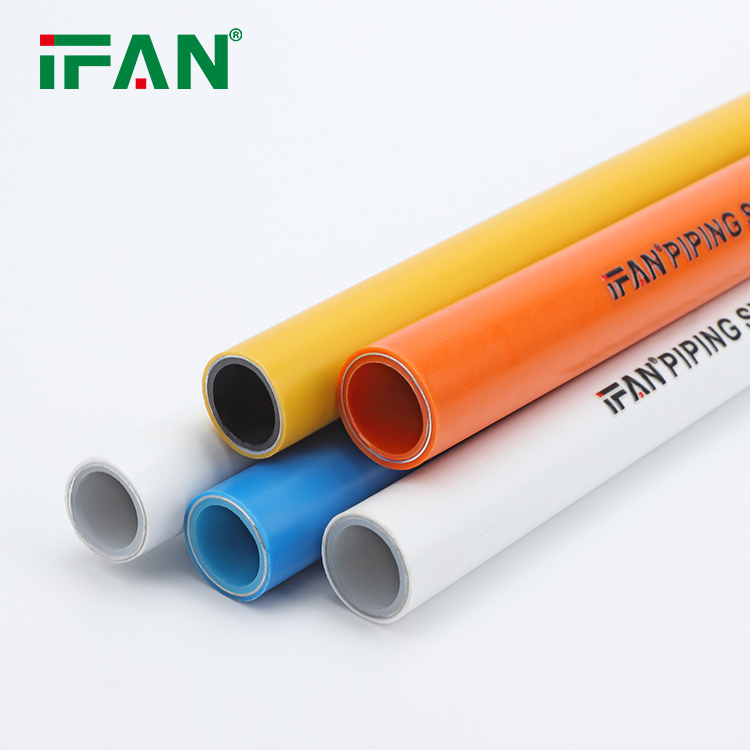
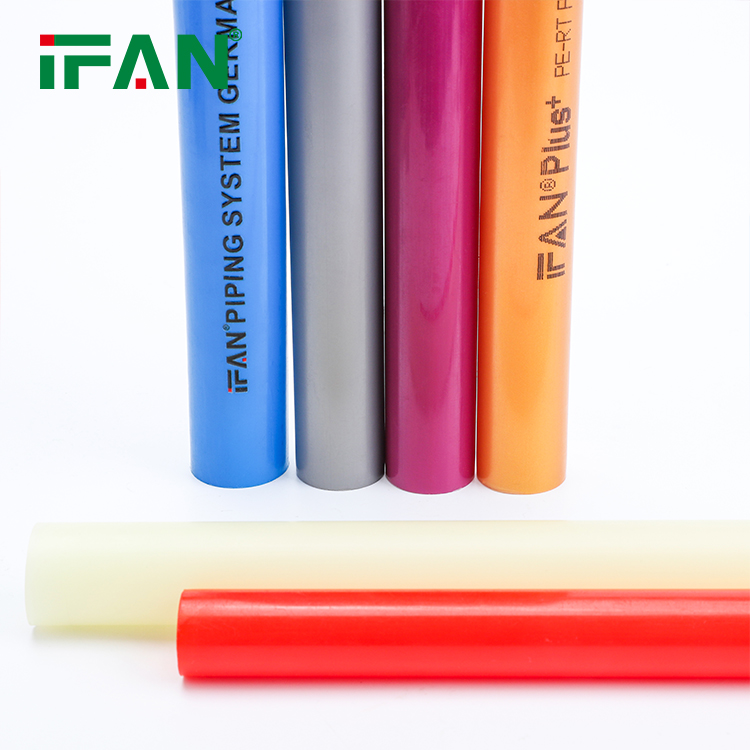
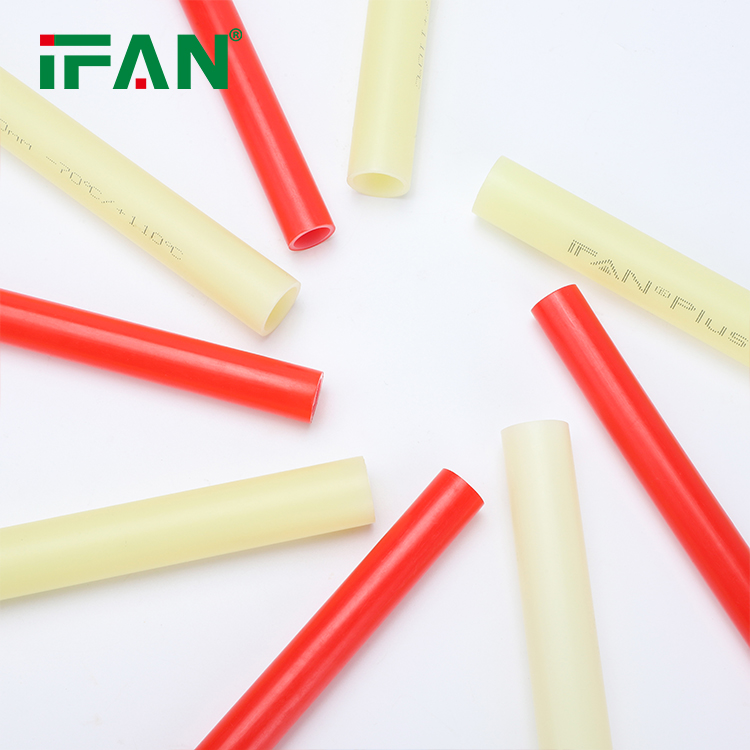
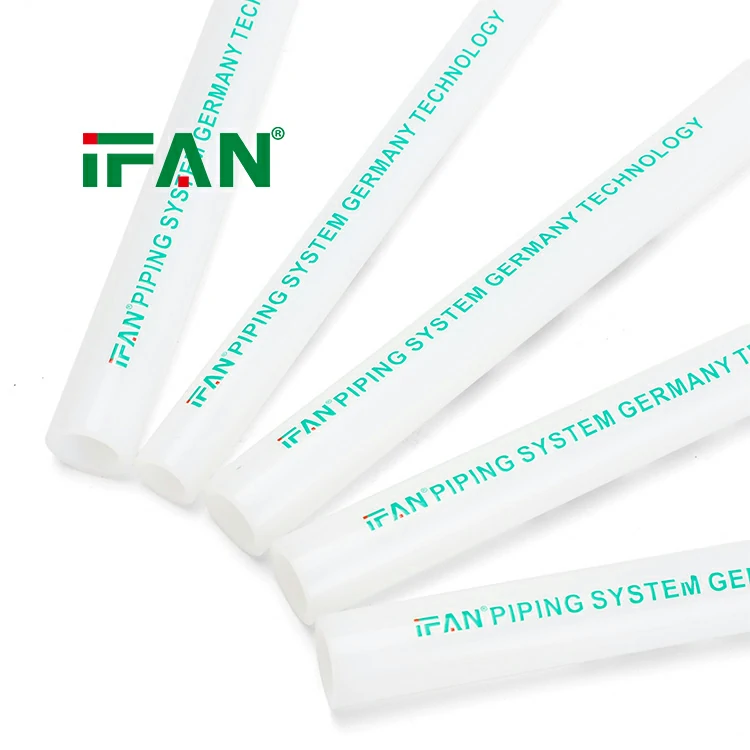
The PEX-A tubing price per meter is an important consideration for plumbing contractors, wholesalers, and building material distributors. Whether you are purchasing materials for a residential project or placing a bulk order, understanding the factors behind pipe pricing can help control costs.
PEX-A tubing is widely used in hot and cold water systems, underfloor heating, and modern plumbing installations. Its flexibility and durability make it a practical alternative to some traditional piping materials. However, prices can vary depending on pipe dimensions, material quality, production standards, and order quantities.
For buyers comparing PEX-A tubing suppliers, the lowest price is not always the best deal. Product specifications, fitting compatibility, and long-term performance should also influence the purchasing decision.
What Is the Average PEX-A Tubing Price per Meter?
The price of PEX-A tubing per meter depends on several variables. There is no single price that applies to every pipe size, specification, and market.
Smaller-diameter tubing generally requires less raw material per meter. Larger diameters usually cost more because they consume more material and may require different production settings.
Wall thickness also affects the final price. Pipes designed for particular pressure or temperature requirements may have different material specifications.
Packaging can influence the unit cost as well. Standard coils, customized lengths, and bulk packaging may produce different pricing structures.
For accurate quotations, buyers should provide the required diameter, wall thickness, coil length, application, and order quantity. These details allow manufacturers to calculate a more relevant factory price.
Key Factors That Affect PEX-A Tubing Cost
Understanding the main pricing factors makes it easier to compare supplier quotations. Several elements can influence the cost per meter.
1. Pipe Diameter and Wall Thickness
Pipe dimensions are among the most important cost factors. Common PEX-A tubing sizes include 16 mm, 20 mm, 25 mm, and other dimensions used in different plumbing systems.
Larger pipes typically require more polyethylene material. Wall thickness also affects material consumption and manufacturing costs.
However, buyers should not select a smaller pipe simply to reduce expenses. The correct size must meet the system’s flow requirements, operating pressure, and installation specifications.
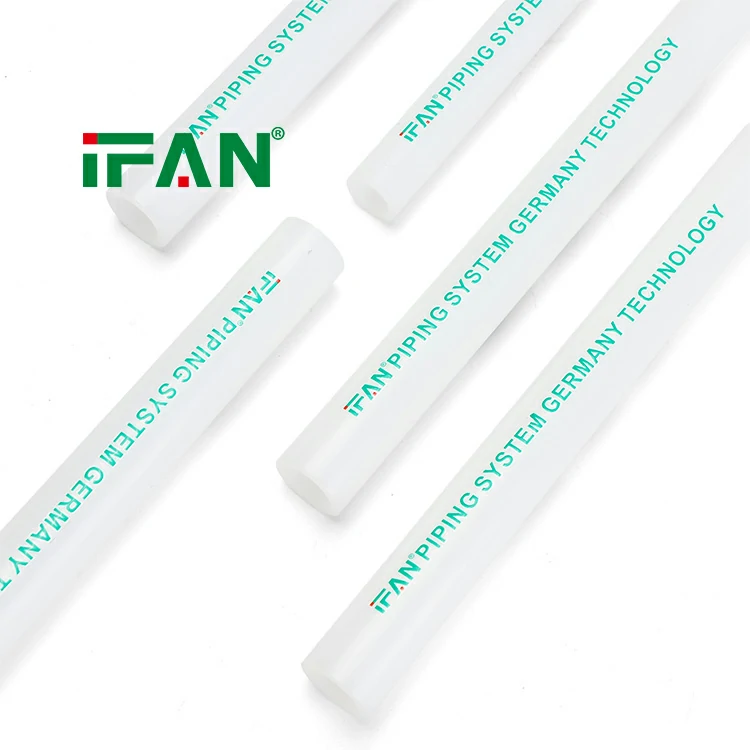
2. Raw Material Quality
PEX-A tubing is manufactured from cross-linked polyethylene. The quality and cost of the raw materials can affect the finished product’s performance and price.
Consistent raw material quality helps manufacturers maintain stable production results. It also supports reliable dimensional control and product performance.
When comparing quotations, buyers should review the technical specifications rather than relying on price alone. Material documentation and applicable product certifications are particularly important for potable water installations.
3. Manufacturing Technology
PEX-A tubing production requires specialized manufacturing equipment and controlled processing conditions. Production efficiency can influence the final cost per meter.
Manufacturers with established production processes may achieve more consistent dimensions and reduce material waste. Quality control also helps identify defects before products leave the factory.
For importers and distributors, these factors matter when ordering large quantities. Consistent quality can reduce unnecessary inspection costs and customer complaints.
4. Order Quantity
The quantity purchased can significantly influence the quoted price. Wholesale orders often provide better unit economics than small purchases.
Large orders may reduce packaging and handling costs per meter. They can also help manufacturers plan production more efficiently.
However, minimum order quantities vary between suppliers. Buyers should confirm the available coil lengths, production lead times, and shipping arrangements before placing an order.
5. Transportation and Packaging
PEX-A tubing is frequently supplied in coils. The coil length, packaging method, and total shipment volume can affect logistics costs.
International buyers should consider more than the factory price. Freight charges, import duties, customs fees, and inland transportation may increase the final landed cost.
A lower price per meter may not provide the lowest total purchasing cost. Comparing quotations on the same delivery terms makes the results more meaningful.
PEX-A Tubing Price per Meter by Application
Different plumbing applications may require different tubing specifications. These differences can influence the price per meter.
Residential Water Supply
PEX-A tubing is commonly used for hot and cold water distribution in houses and apartments. Its flexibility allows installers to route pipes through walls, floors, and confined spaces.
Some installations use continuous runs between a distribution manifold and individual fixtures. This can reduce the number of intermediate connections.
The required pipe size depends on the building design and water demand. Buyers should confirm potable water approvals and pressure ratings before purchasing.
Underfloor Heating
PEX-A tubing is also used in hydronic underfloor heating systems. Flexible coils allow installers to create heating loops across different room layouts.
Pipe spacing, loop length, and diameter depend on the heating design. The tubing must meet the system’s temperature and pressure requirements.
When estimating material costs, contractors should calculate the total pipe length for each heating zone. They should also allow for routing requirements and installation waste.
Commercial Plumbing Projects
Commercial buildings may require larger quantities of tubing and multiple pipe sizes. Hotels, offices, apartments, and public buildings often have more extensive distribution networks.
For these projects, consistent specifications are essential. Buyers should confirm that repeat orders can maintain the same dimensions and technical requirements.
Bulk purchasing can improve cost control. However, product compliance and dependable delivery should remain important selection criteria.
How to Calculate PEX-A Tubing Cost per Meter
Calculating the cost per meter is straightforward when the supplier quotation includes the total pipe price and quantity.
Use this formula:
Price per meter = Total tubing cost ÷ Total meters purchased
For example, suppose an order contains 2,000 meters of PEX-A tubing and the tubing costs $600.
The tubing price is $0.30 per meter.
This calculation covers only the stated tubing cost. It does not automatically include fittings, freight, taxes, customs duties, or installation labor.
For imported products, calculate the landed cost separately. Divide the total relevant purchasing and delivery expenses by the number of usable meters received.
This approach provides a more realistic basis for comparing international suppliers.
How to Choose a Reliable PEX-A Tubing Supplier
A competitive quotation is important, but supplier reliability also affects purchasing costs. Buyers should evaluate several factors before making a decision.
First, check the product specifications. Confirm the outside diameter, wall thickness, coil length, pressure rating, and temperature rating.
Second, request relevant test reports and certifications. Requirements differ between countries, especially for drinking water systems.
Third, ask about production capacity and lead times. This is particularly important for distributors managing recurring orders or contractors working under strict construction schedules.
Finally, confirm fitting compatibility. PEX-A tubing may be used with compatible expansion systems and other approved connection methods. The pipe and fitting manufacturers’ instructions should determine the correct combination.
Ways to Reduce PEX-A Tubing Purchasing Costs
There are several practical ways to manage tubing costs without compromising product quality.
Buy according to project requirements. Accurate quantity planning reduces excess inventory and unnecessary emergency purchases.
Compare equivalent specifications. Quotations should use the same diameter, wall thickness, coil length, and technical requirements.
Consider bulk orders. Larger quantities may improve the factory price when demand and storage capacity justify the purchase.
Review the total landed cost. Include transportation, import charges, packaging, and other relevant expenses.
Work with a consistent supplier. Long-term purchasing arrangements may simplify quality control, communication, and delivery planning.
These steps help contractors and distributors make more informed purchasing decisions.
Source PEX-A Tubing from IFAN
For plumbing contractors, wholesalers, and importers, finding a dependable manufacturer is an important part of cost management. IFAN supplies plumbing products for water distribution, heating, and related building applications.
Buyers interested in PEX-A tubing can contact IFAN to discuss product specifications, available sizes, packaging options, and order quantities. The appropriate quotation will depend on the required product configuration and purchasing volume.
For wholesale buyers, discussing project requirements directly with the manufacturer can help clarify technical details before an order is placed. It also makes it easier to compare factory quotations using consistent specifications.
If you are looking for a competitive PEX-A tubing price per meter, contact IFAN to request product information and a quotation for your market. Confirm the required dimensions, application, quantity, and destination before finalizing your purchase.
Conclusion
The PEX-A tubing price per meter depends on pipe dimensions, raw material quality, manufacturing processes, order quantity, and transportation costs. Buyers should compare these factors before choosing a supplier.
For residential plumbing, underfloor heating, and commercial projects, the correct tubing specification is more important than the lowest initial price. Product compliance, fitting compatibility, and consistent quality can influence the total cost over time.
By calculating the actual cost per meter and evaluating the complete supply arrangement, contractors and distributors can make better purchasing decisions. IFAN can help buyers explore PEX-A tubing options and request quotations based on their project requirements.