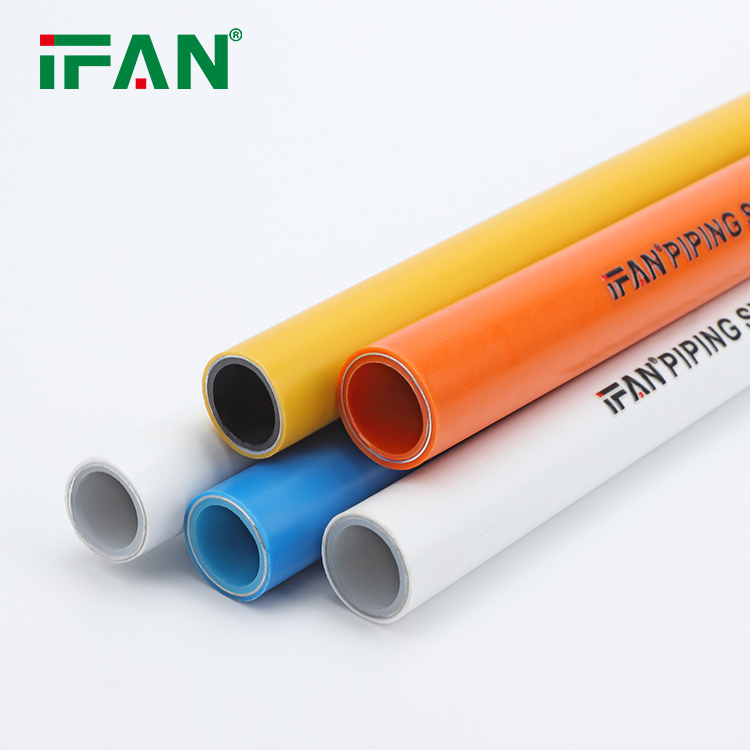
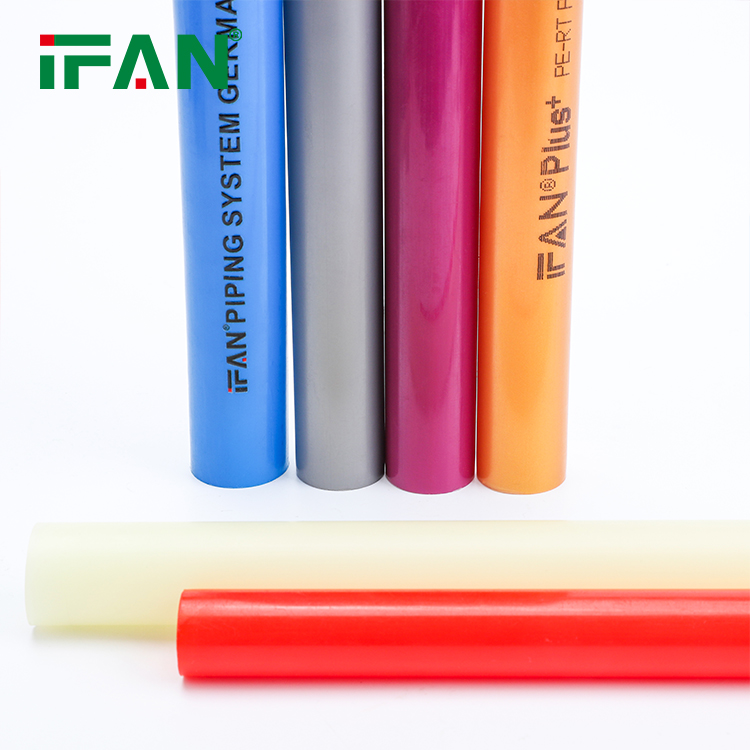
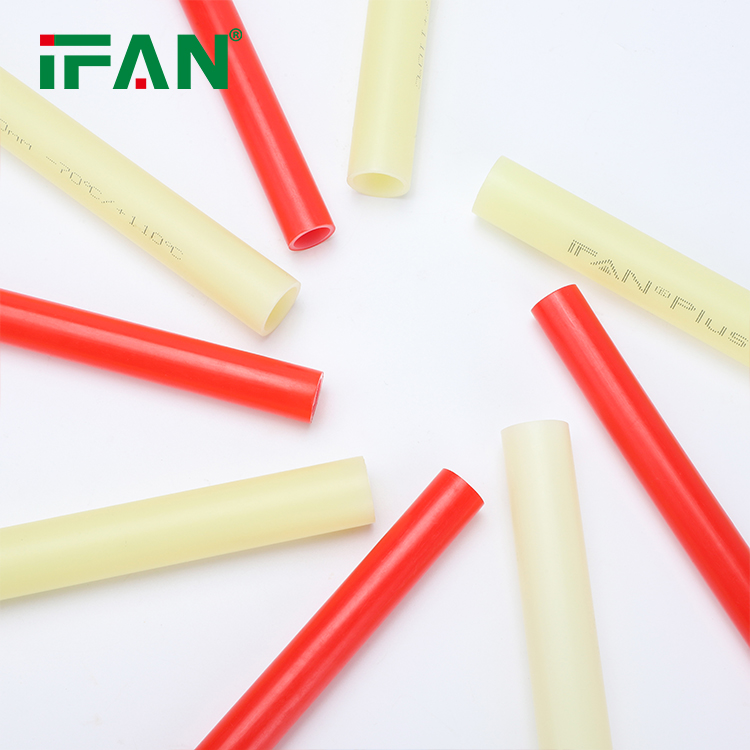
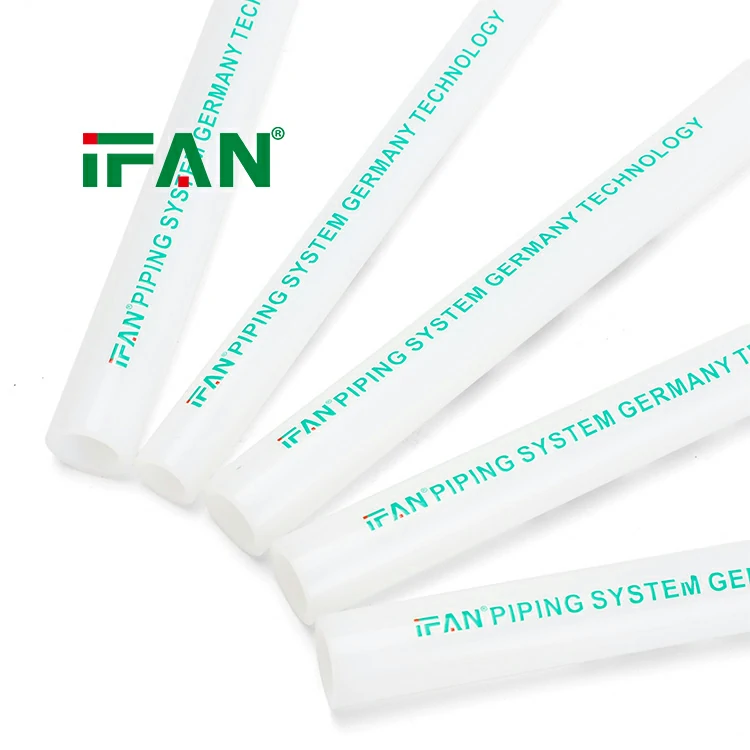
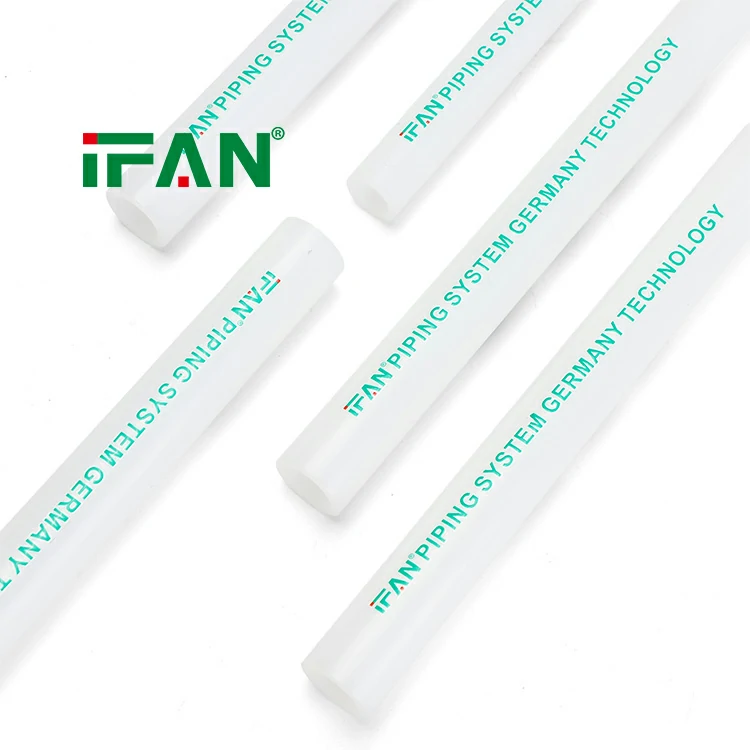
PEX-A tubing for hydronic heating is a popular choice for modern residential and commercial heating systems. Its flexibility makes it easier to install under floors and throughout buildings. For contractors, it offers a practical solution for creating efficient hot water heating circuits.
Hydronic heating systems use heated water to transfer warmth through floors, radiators, or other heat emitters. The tubing must withstand repeated temperature changes and maintain reliable performance over time. PEX-A tubing is designed to meet these demands when selected and installed according to the manufacturer’s specifications.
Understanding its advantages, installation requirements, and applications helps contractors choose the right tubing for each project. This guide explains what makes PEX-A suitable for hydronic heating and what buyers should consider before purchasing.
What Is PEX-A Tubing for Hydronic Heating?
PEX-A is cross-linked polyethylene tubing manufactured using the peroxide method. This process creates a cross-linked polymer structure that improves the material’s thermal and mechanical properties.
The letter A identifies the cross-linking method. PEX-A is known for its flexibility and ability to recover its shape after bending. These characteristics are useful when tubing must follow curved routes or fit into compact installation spaces.
In hydronic heating systems, PEX-A tubing carries heated water from the heat source to the designated heating circuits. The water transfers heat through underfloor loops, radiators, or other compatible components.
The tubing is available in different diameters and coil lengths. Selection depends on the heating design, required flow rate, operating temperature, and system pressure.
Benefits of PEX-A Tubing in Hydronic Heating Systems
PEX-A tubing offers several practical advantages for heating contractors. Its material properties can simplify installation and support dependable system operation.
High Flexibility for Easy Installation
Flexibility is one of the main reasons contractors choose PEX-A tubing. It can follow curved routes without requiring an elbow at every change of direction.
This is especially useful in underfloor heating installations. Installers can arrange the tubing into planned loops across rooms and heating zones.
Fewer fittings within suitable pipe runs can reduce installation work. They may also reduce the number of potential leak points.
Contractors should still observe the minimum bending radius specified by the manufacturer. Excessive bending can damage the tubing or restrict water flow.
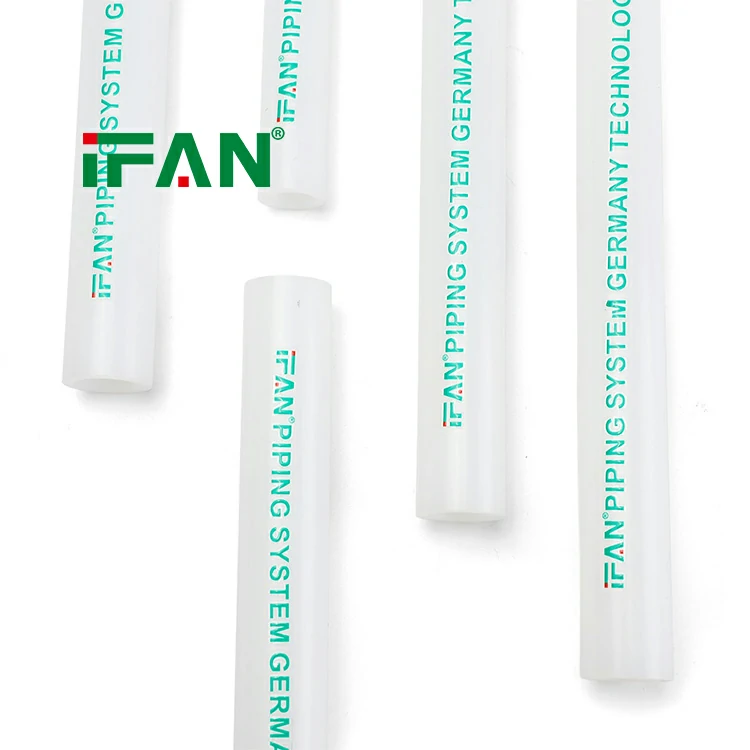
Resistance to Temperature Changes
Hydronic heating systems expose tubing to repeated heating and cooling cycles. The selected material must withstand the expected operating conditions.
PEX-A tubing is designed for hot water applications within its rated temperature and pressure limits. Its polymer structure supports use in many residential and commercial heating systems.
Actual performance depends on the product specification and system design. Contractors should confirm the maximum operating temperature and pressure before installation.
Corrosion Resistance
Unlike many metal pipes, PEX-A tubing does not rust. This property can help reduce corrosion-related problems within properly designed heating circuits.
Water quality and other system components still require attention. System designers should follow the heat source manufacturer’s recommendations and applicable hydronic heating standards.
Convenient Coil Packaging
PEX-A heating tubing is commonly supplied in coils. This format allows installers to create long pipe runs with fewer intermediate connections.
Coils are also convenient to transport and store on construction sites. Contractors can select lengths that suit individual rooms or heating circuits.
Applications of PEX-A Tubing for Hydronic Heating
PEX-A tubing can serve several types of hydronic heating systems. The correct product depends on the design and operating conditions.
Underfloor Heating Systems
Underfloor heating is one of the most common applications for PEX tubing. Warm water circulates through pipes installed beneath the finished floor.
The floor distributes heat across the room. This can create a comfortable indoor environment without relying entirely on conventional radiators.
PEX-A tubing is suitable for many underfloor heating designs. Its flexibility helps installers form consistent loops around planned heating zones.
Proper loop spacing is essential for balanced heat distribution. Designers must also consider floor construction, insulation, water temperature, and circuit length.
Radiant Wall and Ceiling Heating
Some buildings use hydronic tubing in walls or ceilings. These systems transfer heat through large surface areas.
PEX-A tubing may be suitable when the product is approved for the intended installation. Contractors must follow the system designer’s specifications and the manufacturer’s instructions.
The tubing layout should support even heat distribution. Careful planning also helps prevent damage during later construction work.
Residential and Commercial Heating
PEX-A tubing can be used in houses, apartments, offices, and other buildings with hydronic heating. Its flexibility can simplify installations in rooms with different layouts.
Commercial projects often require many heating circuits. Consistent pipe dimensions and reliable supply are therefore important purchasing considerations.
Contractors should confirm that the selected tubing meets the project’s technical and regulatory requirements.
How to Choose the Right PEX-A Heating Tubing
Choosing the correct tubing requires more than comparing product prices. Several factors influence performance and installation efficiency.
Select the Correct Pipe Diameter
Pipe diameter affects flow rate and pressure loss. Common hydronic heating sizes include 16 mm and 20 mm, although other dimensions may be required.
The correct size depends on circuit length, heating load, pump capacity, and system design. Contractors should follow the heating calculations rather than select a diameter based only on convenience.
Check Temperature and Pressure Ratings
Heating systems operate under defined temperature and pressure conditions. The tubing must be rated for the expected service environment.
Check the manufacturer’s technical documentation before placing an order. Consider normal operating conditions as well as the system’s specified limits.
Consider Oxygen Barrier Requirements
Oxygen can enter some heating circuits through polymer tubing. In systems containing ferrous metal components, oxygen ingress may contribute to corrosion.
An oxygen-barrier PEX-A tube can help limit oxygen diffusion. This may be important in closed-loop hydronic systems, depending on the system design and applicable standards.
Contractors should confirm whether an oxygen barrier is required. They should also check compatibility with the boiler, pump, valves, and other system components.
Review Product Certifications
Product certification helps buyers assess whether tubing meets relevant requirements. Standards and approvals vary by country and intended application.
Before purchasing, check dimensions, material specifications, temperature ratings, pressure ratings, and applicable certifications. For commercial projects, these details can be especially important during procurement and inspection.
Installation Tips for PEX-A Hydronic Heating Tubing
Correct installation helps maintain system performance and reduce avoidable problems. Contractors should follow the manufacturer’s instructions throughout the process.
First, inspect the tubing before installation. Avoid damaged sections and protect the material from sharp edges.
Second, plan the heating circuits before laying the pipe. Correct spacing and suitable circuit lengths help achieve balanced heat output.
Third, use compatible fittings and tools. Connection methods vary by product, so installers should verify compatibility before assembly.
Fourth, secure the tubing with the appropriate fastening system. Avoid excessive tension, sharp bends, and unnecessary stress at connection points.
Finally, test the completed circuits according to the manufacturer’s instructions and local requirements. Complete the required pressure testing before covering the tubing with concrete, screed, or flooring.
PEX-A Tubing Compared with Other Heating Pipes
PEX-A is not the only option for hydronic heating. Contractors may also consider PEX-B, PEX-C, or multilayer composite pipe.
PEX-A is often selected for its flexibility and shape recovery. PEX-B and PEX-C may offer different handling characteristics depending on their manufacturing processes and product designs.
Multilayer pipe typically combines polymer layers with an aluminum core. This structure can provide greater dimensional stability, while PEX tubing may offer more flexibility in certain layouts.
No single material is best for every project. The decision should consider installation methods, system requirements, fitting compatibility, product certifications, and total installed cost.
Why Choose IFAN for PEX-A Heating Tubing?
Reliable materials are essential for heating contractors, plumbing distributors, and building material wholesalers. Product consistency and clear technical specifications help support successful installations.
IFAN supplies plumbing products for water supply, heating, and related building applications. Its product portfolio includes pipes, fittings, valves, and other plumbing components.
For buyers sourcing PEX-A tubing for hydronic heating, IFAN can discuss available specifications, product dimensions, packaging, and project requirements. Customization and supply options can be evaluated according to the order details and production capabilities.
Working directly with a manufacturer can also simplify communication for repeat orders and bulk purchasing. Buyers should confirm applicable certifications, oxygen-barrier options, and fitting compatibility before finalizing their selection.
Contact IFAN to request product information, discuss your heating project, and obtain a quotation for your required tubing specifications.
Conclusion
PEX-A tubing for hydronic heating offers a flexible and practical solution for many modern heating installations. Its ability to follow curved routes can simplify underfloor heating layouts and reduce the need for intermediate fittings.
Before selecting a product, contractors should evaluate diameter, operating temperature, pressure ratings, oxygen-barrier requirements, and applicable certifications. Proper circuit design and installation are equally important.
For residential and commercial projects, choosing tubing that matches the system requirements helps support reliable heating performance. With suitable product specifications and professional installation, PEX-A tubing can be a valuable component in modern hydronic heating systems.
For contractors, wholesalers, and distributors seeking plumbing and heating products, IFAN provides product sourcing support for different project needs.