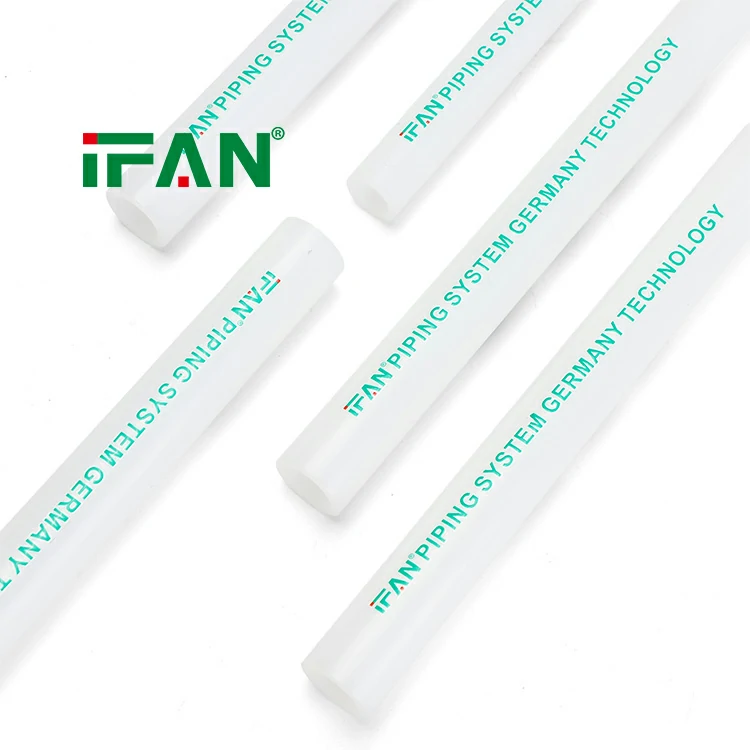
PEX-A plumbing tubing is a popular choice for modern residential and commercial plumbing projects. Builders and plumbing contractors need piping materials that are flexible, durable, and easy to install. PEX-A meets many of these requirements and offers practical benefits for new construction.
As construction methods continue to evolve, material selection plays an important role in project efficiency. The right plumbing system can help reduce labor time and simplify pipe routing. PEX-A tubing is well suited to these demands.
What Is PEX-A Plumbing Tubing?
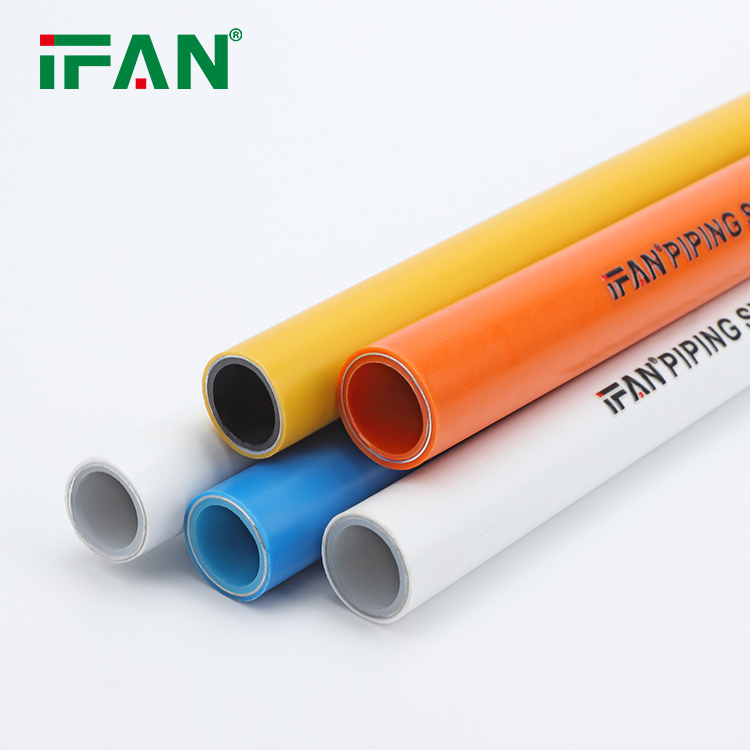
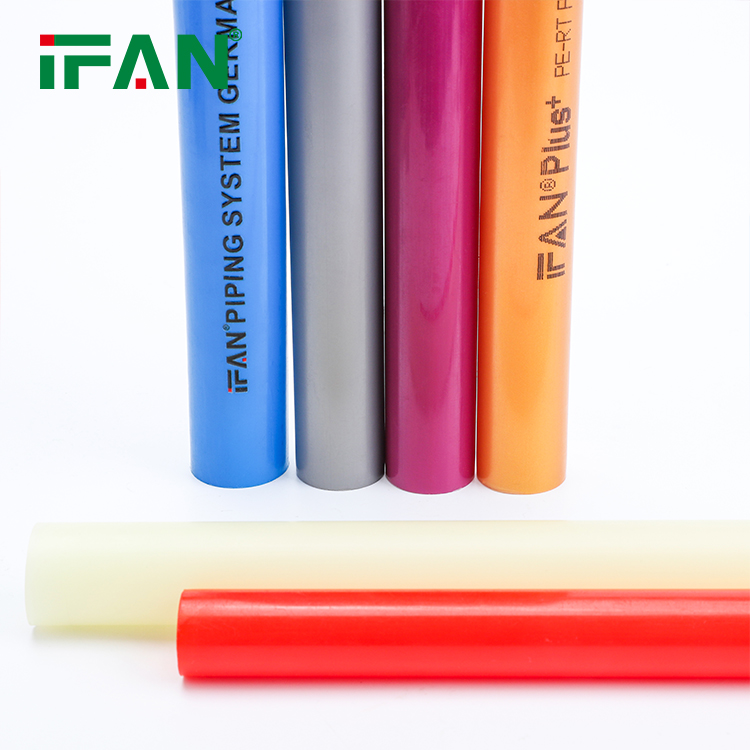
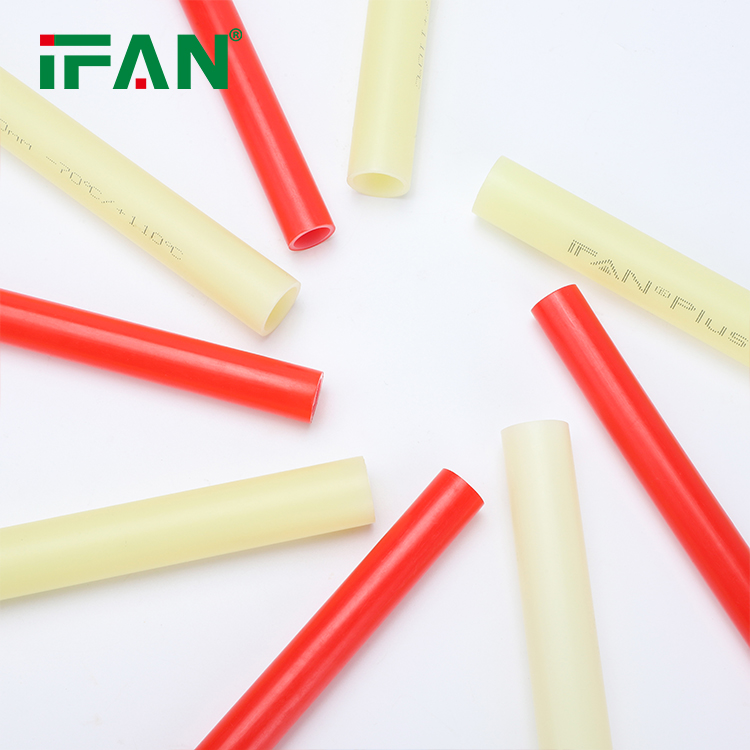
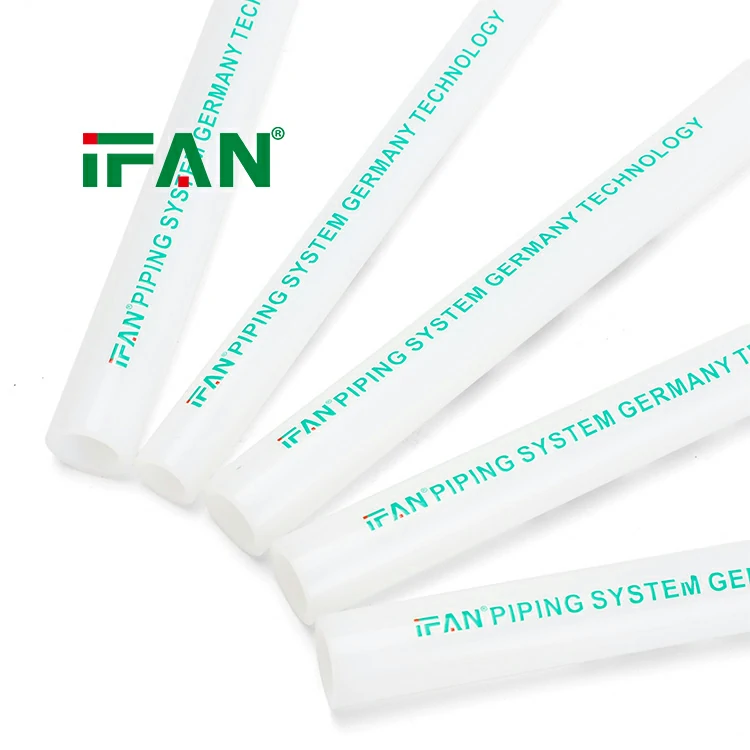
PEX-A is a type of cross-linked polyethylene tubing. Manufacturers produce it through a process known as the peroxide method. This process creates cross-links between polyethylene molecules, improving the material’s thermal and mechanical properties.
PEX-A is known for its flexibility and resistance to repeated bending. It can follow complex pipe routes with fewer fittings in many installations. This feature makes it useful for modern building layouts.
PEX-A tubing is commonly used in potable water distribution and hydronic heating systems. Its suitability depends on the product’s ratings and local plumbing codes. Contractors should always check the manufacturer’s technical documentation before installation.
Why Choose PEX-A for New Construction?
New construction projects require careful planning. Plumbing contractors must coordinate pipe routes with electrical systems, structural elements, and other building services.
PEX-A tubing offers flexibility that can simplify this process. Installers can route the tubing through wall cavities, floor spaces, and other designated areas. This can reduce the need for multiple directional fittings.
The material is also lightweight. Workers can transport coils around the construction site without handling heavy metal pipes. Longer continuous runs may also help reduce the number of connections.
These advantages can improve installation efficiency. They can also help contractors manage labor requirements across larger projects.
Key Benefits of PEX-A Plumbing Tubing
Several features make PEX-A an attractive option for residential and commercial construction.
High flexibility
PEX-A tubing bends more easily than many rigid piping materials. This helps installers navigate corners and confined spaces. It can also reduce fitting requirements in suitable layouts.
Resistance to corrosion
Unlike conventional metal pipes, PEX-A does not rust. It also resists many forms of mineral buildup under normal service conditions. Water chemistry and system design still affect long-term performance.
Good temperature performance
PEX-A can be used in hot and cold water systems when the selected product meets the required temperature and pressure ratings. It is also used in certain hydronic heating applications.
Lightweight design
Coiled tubing is convenient to move, store, and handle. This can be especially helpful on busy construction sites.
Fewer connection points
Continuous pipe runs can reduce the number of joints within a plumbing system. Fewer connections may lower the risk of leakage when the system is designed and installed correctly.
PEX-A Tubing for Residential Water Supply
Residential plumbing systems need to deliver water reliably to kitchens, bathrooms, laundry rooms, and other fixtures. PEX-A tubing provides a flexible option for these distribution networks.
In new houses, contractors often plan pipe routes before walls and floors are finished. PEX-A can pass through designated framing spaces and reach individual fixtures with fewer intermediate connections.
Manifold distribution systems are another option. A central manifold can supply separate tubing runs to different fixtures. This arrangement can make individual supply lines easier to identify and isolate.
The appropriate design depends on the building layout, water demand, and applicable plumbing requirements. Pipe diameter must also match the expected flow rate and pressure conditions.
Using PEX-A in Hydronic Heating Systems
PEX-A plumbing tubing is also used in some hydronic heating installations. These systems circulate heated water through pipes to transfer heat throughout a building.
Underfloor heating is one common application. Flexible tubing can follow planned circuits beneath the finished floor. Installers can arrange the pipe according to room dimensions and heating requirements.
PEX-A may also be used in other compatible hydronic heating systems. However, contractors must select tubing rated for the expected operating temperature and pressure.
Oxygen barrier requirements are particularly important in certain closed-loop heating systems. The selected product should match the system design and equipment manufacturer’s recommendations.
How to Select the Right PEX-A Tubing
Choosing the correct tubing requires more than checking the material type. Buyers should review several technical factors before ordering.
Pipe Size and Dimensions
PEX-A tubing is available in different nominal sizes. Common options include 3/8-inch, 1/2-inch, 3/4-inch, and 1-inch tubing.
The correct size depends on fixture demand, pipe length, flow requirements, and system design. Contractors should follow approved plumbing calculations rather than selecting a size based only on convenience.
Pressure and Temperature Ratings
Hot water and cold water systems have different operating conditions. The tubing must meet the pressure and temperature requirements of the intended application.
Buyers should verify product markings and technical specifications. These details help confirm whether the tubing is appropriate for the planned installation.
Fitting Compatibility
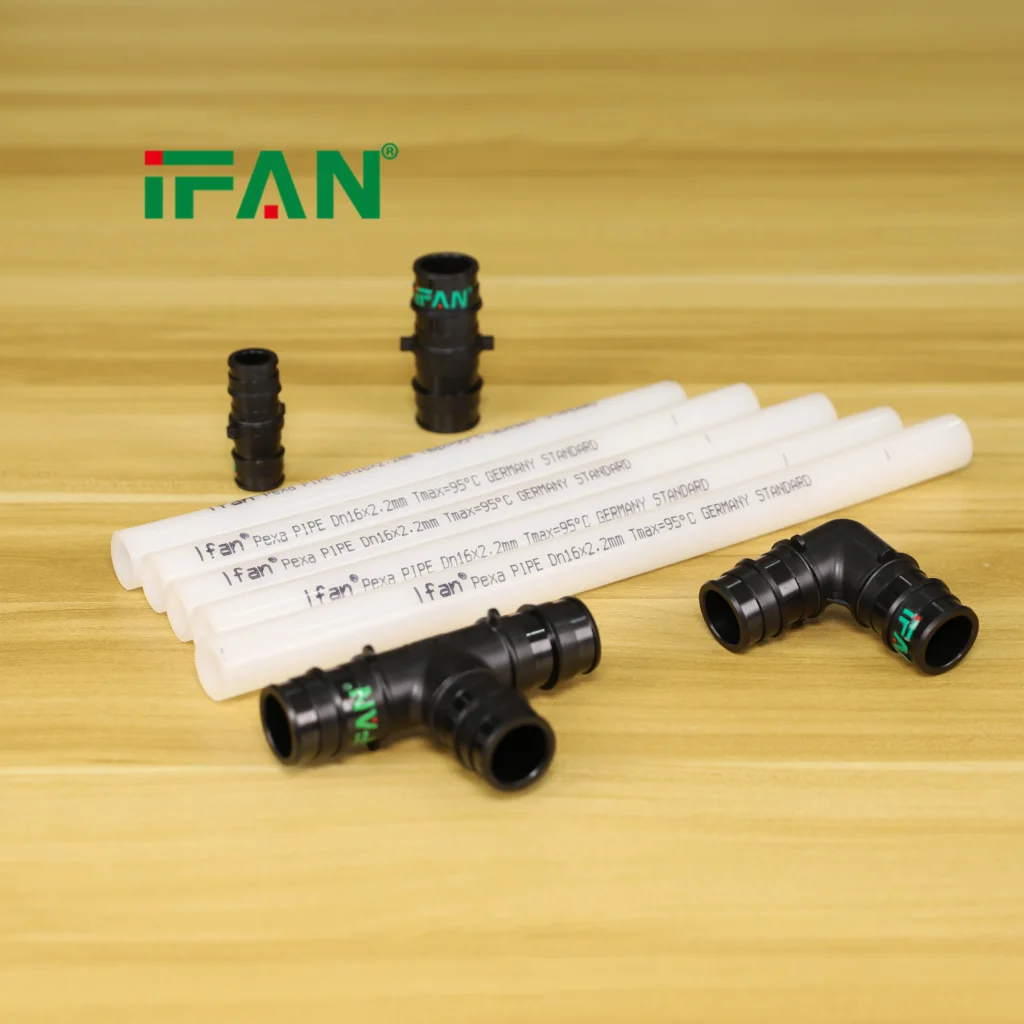
PEX-A systems may use compatible expansion fittings or other approved connection methods. The tubing, fittings, and installation tools must work together as a complete system.
Using incompatible components can compromise connection reliability. Contractors should follow the manufacturer’s installation instructions.
Applicable Standards
Building codes and product certification requirements vary by market. Contractors should confirm compliance with the relevant standards before purchasing tubing for a construction project.
This step is especially important for commercial developments and large residential projects.
Installation Tips for Plumbing Contractors
Proper installation helps maintain the performance of PEX-A tubing. Before work begins, installers should inspect the material for cuts, damage, and other defects.
Use suitable cutting tools to produce clean, square pipe ends. Follow the specified connection procedure for the selected fitting system.
Avoid sharp bends that could kink the tubing. Maintain the required bend radius and use suitable supports where necessary.
PEX-A should also be protected from prolonged direct sunlight unless the product is specifically rated for that exposure. Keep the tubing away from sharp edges and other potential sources of damage.
After installation, test the system according to local code and manufacturer instructions. Inspect connections before concealing pipes behind walls or floors.
Buying PEX-A Plumbing Tubing for Large Projects
Construction companies and plumbing distributors often purchase tubing in bulk. Consistent product quality and dependable supply can help keep projects on schedule.
Before choosing a supplier, compare product specifications, available sizes, packaging options, and quality control procedures. Confirm that fittings and accessories are available for the intended system.
Lead times and production capacity also matter. Large projects may require repeated deliveries across several construction stages.
A manufacturer that communicates clearly can help buyers coordinate specifications and purchasing schedules. This is particularly valuable for contractors managing multiple projects.
Why Source PEX-A Tubing from IFAN?
IFAN provides plumbing products for contractors, wholesalers, distributors, and construction material suppliers. Its product range includes pipes, fittings, valves, and related plumbing components for different building applications.
For businesses sourcing PEX-A plumbing tubing, product specifications and application requirements should be confirmed before ordering. IFAN can work with customers to discuss product options, dimensions, packaging, and project requirements.
Working directly with a manufacturer can also help simplify communication during bulk purchasing. Buyers can discuss their requirements and evaluate suitable products for their target markets.
If you are planning a new construction project, contact IFAN to learn more about available plumbing solutions, factory pricing, and sample options.
Conclusion
PEX-A plumbing tubing offers flexibility, corrosion resistance, and convenient handling for modern construction projects. Its properties make it a practical option for residential water supply and compatible hydronic heating systems.
Successful installation starts with proper product selection. Contractors should verify pipe dimensions, pressure ratings, temperature limits, fitting compatibility, and local code requirements.
For builders, distributors, and plumbing contractors, choosing a reliable supplier is another important step. With suitable materials and professional installation, PEX-A tubing can support efficient and dependable plumbing systems in new construction.