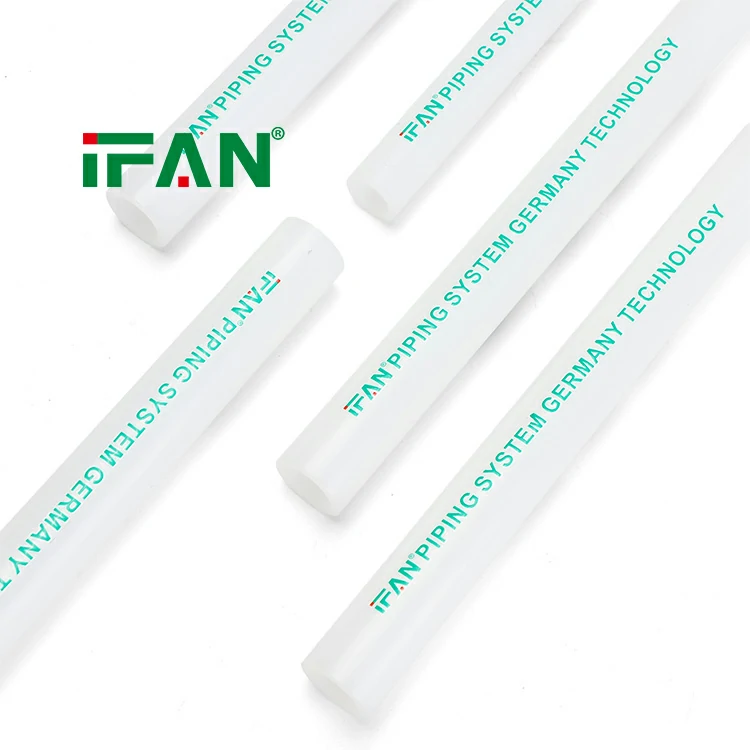
A kink in PEX pipe is one of those problems that seems minor until you realize it can restrict flow, create a weak point, and potentially fail behind a wall where you cannot see it. The frustrating part is that kinks are almost always preventable. Understanding why they happen in the first place is the fastest route to avoiding them.
The Root Causes: Cold, Tight Radius, and Coil Memory
Three factors account for the vast majority of kinks on site.
Temperature is the first culprit. PEX becomes noticeably stiffer in cold weather, which makes it harder to bend and far more likely to kink rather than flex . An installer working in an unheated building in January is fighting the material itself. The fix is straightforward: warm the pipe before you work with it. Some crews build a makeshift hot box—a metal cart with a small electric heater inside—to bring spools up to a workable temperature before pulling runs .
The second cause is bending beyond the material’s limit. Every PEX diameter has a minimum bend radius, and pushing past it is asking for trouble. A common industry rule is that PEX can be bent by hand to a radius as small as five times the tubing’s outer diameter, and bend supports can help achieve tighter curves without collapse . Sharp 90-degree turns are not what PEX is designed for without assistance. Metal or plastic bend supports exist precisely to guide the pipe through a tight corner while maintaining its round profile .
The third cause is coil memory. PEX ships in tight coils, and that shape wants to return. If you are fighting a stiff, tightly wound roll that resists straightening, the pipe can kink under its own spring-back force even after you have clamped it down. One reviewer described a 1-inch coil so tightly wound that it required over 70 pounds of force to straighten, eventually kinking and tearing despite clamps every three feet . If a coil is that stubborn, the problem is the product, not your technique.
Prevention: Warm, Support, and Respect the Radius
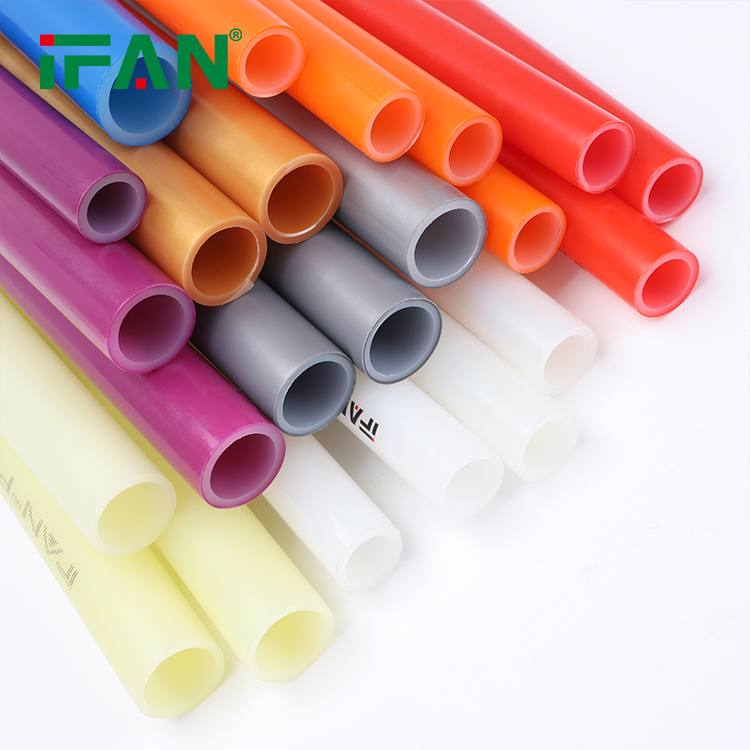
The prevention playbook is not complicated. Keep pipe warm in cold conditions. Use bend supports at every tight turn, especially where pipe exits a wall or transitions around a corner . Do not force a bend that feels like it is fighting back—if the pipe is resisting, you are probably past the safe radius. And when pulling from a coil, take the time to unroll and relax the pipe rather than yanking it into position under tension.
Repair: PEX-a Has an Advantage, But There Is a Catch
Here is where the type of PEX matters. PEX-a has a property called thermal memory. A kink in PEX-a can often be repaired by gently heating the affected area with a heat gun until the pipe becomes clear and returns to its original shape and dimensions . Once it cools, the repair is complete. This is not possible with PEX-b or PEX-c—a kink in those materials means the section must be cut out and replaced with a coupling .
That said, the heat repair comes with caveats. First, if the pipe has an EVOH oxygen barrier layer, applying direct heat can damage that barrier. SharkBite’s technical documentation explicitly warns against hot-air repair on barrier pipe for this reason . Second, some manufacturers and trainers argue that even a successful heat repair leaves a compromised spot. Viega’s position is blunt: once tubing has been kinked and heat-repaired, it is more likely to kink again in the same location, and the only sure fix is cutting out the damaged section and installing a fitting . Their reasoning is that a kink creates a weak point regardless of whether the pipe visually recovers.
The practical takeaway: if you are working with non-barrier PEX-a and the kink is minor, a careful heat repair may get you out of a jam. If the pipe carries an oxygen barrier, or if you want certainty, cut and couple.
The IFAN Angle
For installers dealing with kinks, the material choice at the outset matters more than the repair technique. IFAN’s PEX-a pipe is formulated with the crosslinking structure that gives it the thermal memory needed for heat-assisted kink recovery, and it bends predictably without the springy fight that cheaper, stiffer coils put up. Pair it with IFAN’s bend supports on tight turns, and the majority of kink scenarios simply do not arise. On cold-weather jobs, storing the coils in a warm space before installation makes a noticeable difference—PEX-a handles the cold better than PEX-b, but no pipe enjoys being bent at near-freezing temperatures.
A Final Word
Kinks are rarely a mystery. They happen when pipe is cold, bent too tight, or pulled from a coil that refuses to relax. Address those three conditions before the pipe goes in, and you will spend far less time with a heat gun or a coupling in your hand.