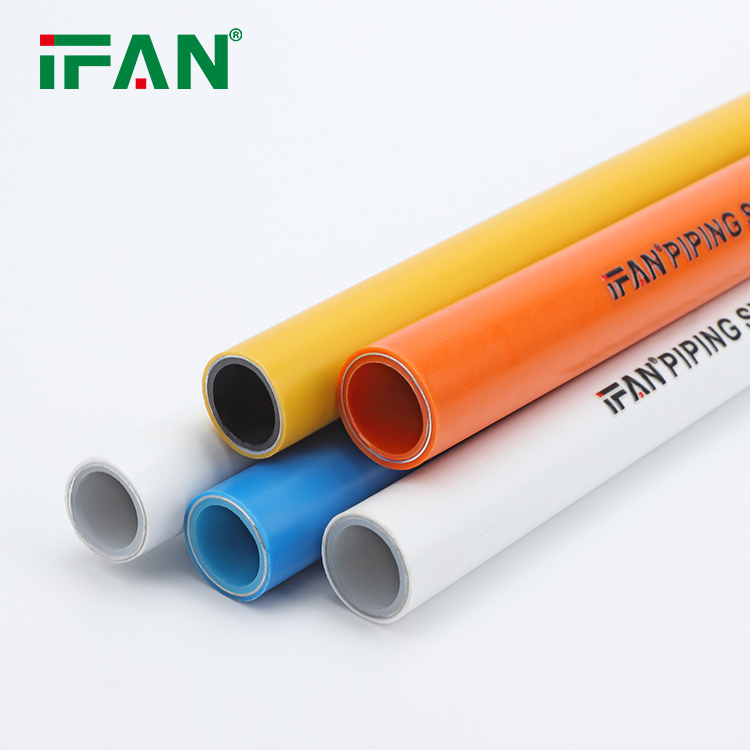
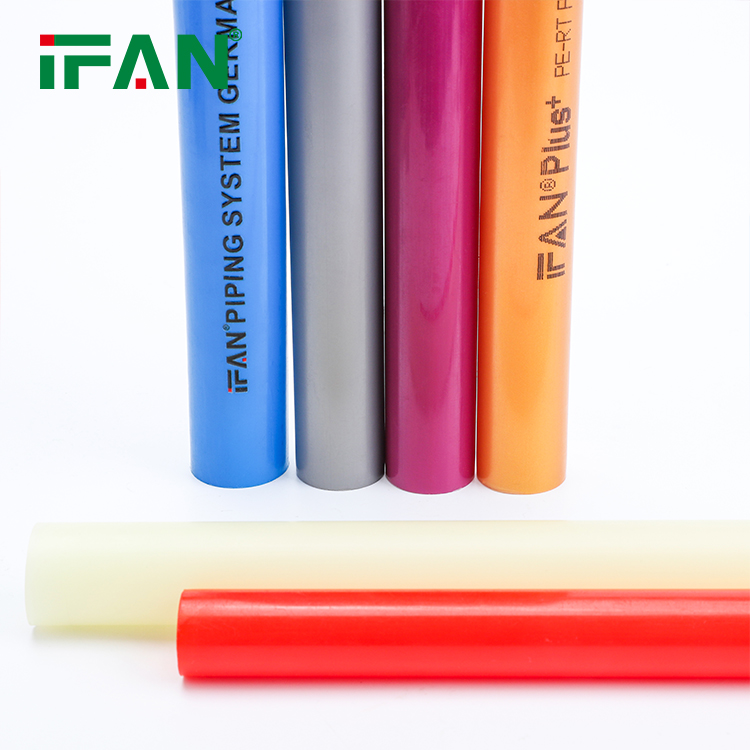
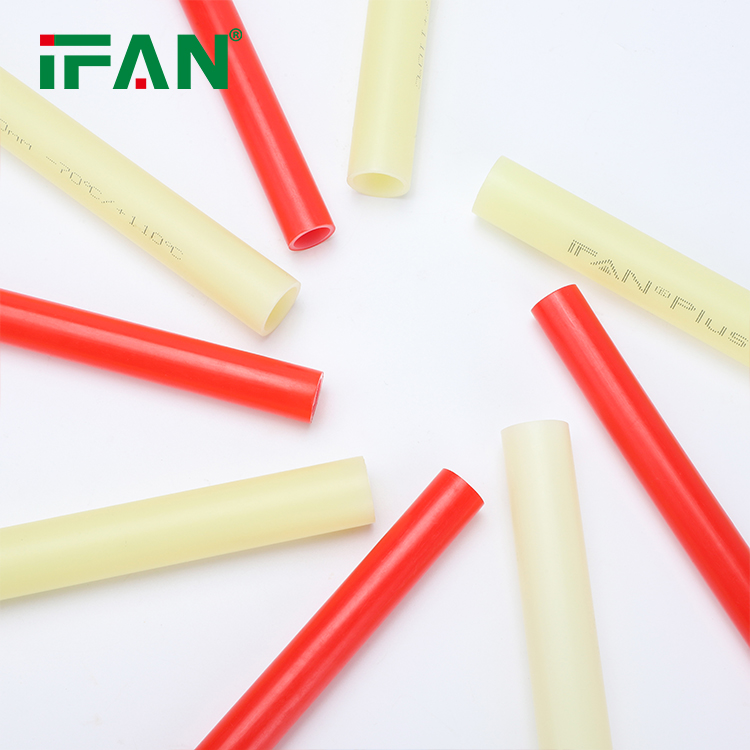
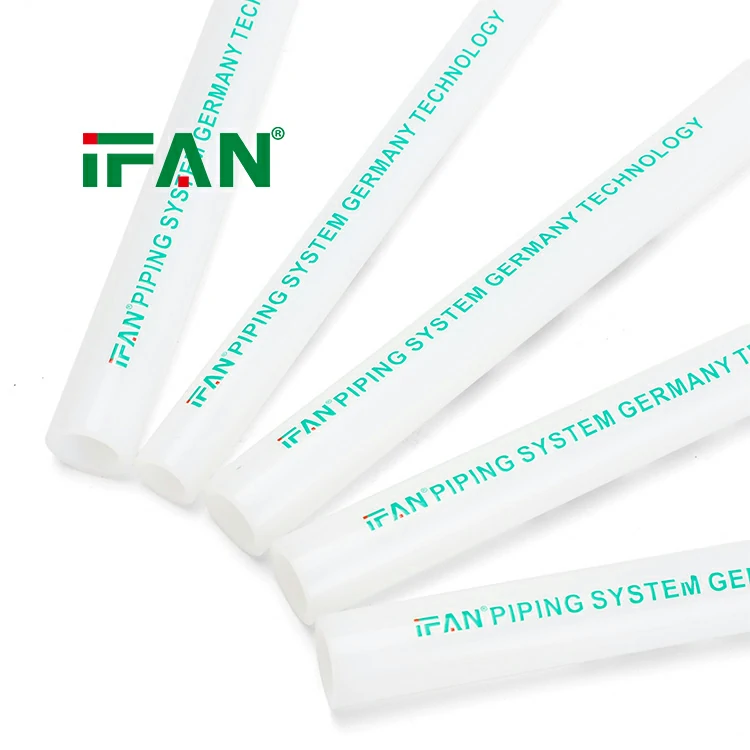
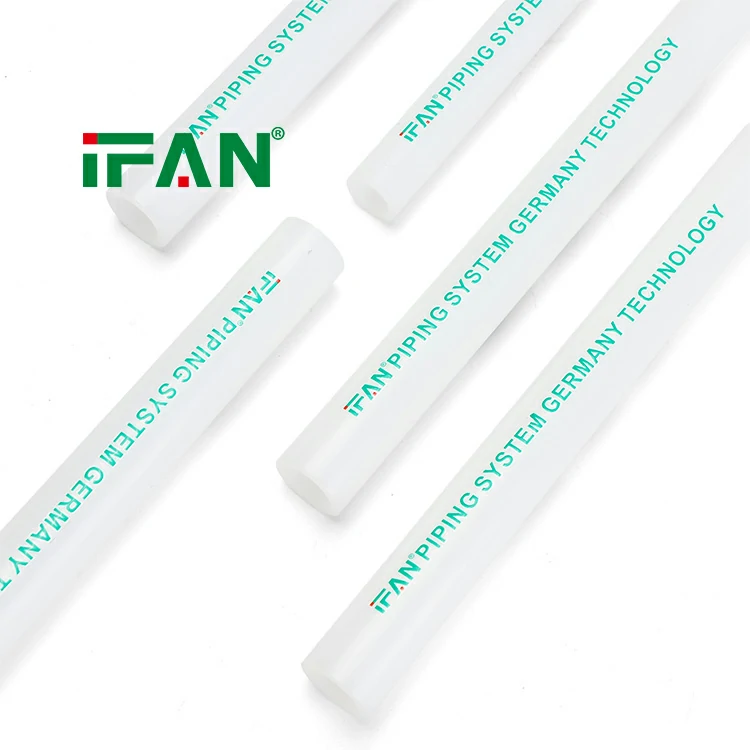
If you are sourcing PEX for a project, the question of lifespan is going to come up. Owners ask it, contractors ask it, and anyone signing off on a specification wants a number they can put in a document. The honest answer is that PEX can last a very long time—but “long time” is not a single figure. It depends on the pipe, the water, the temperature, and how the system was put together.
The Headline Numbers, and Why They Vary
You will see claims ranging from 50 years to 100 years depending on who is doing the talking. A wholesale distributor might list 50 years as a practical expectation , while industry commentary suggests properly designed systems can reach up to 100 years . Neither number is wrong. They are describing different scenarios under different assumptions.
The more useful framing comes from how PEX is actually rated. Manufacturers publish pressure-temperature tables that pair a service life with an operating condition. One PEX-a datasheet, for example, lists 50 years at 60°C and 12 bar, but drops to 25 years at 80°C and 10 bar . Read that carefully: the pipe did not get worse. The conditions got harsher. Hotter water and higher pressure eat into the margin. This is why a PEX pipe in a cold-water line and a PEX pipe in a high-temperature heating loop are not living the same life, even if they came off the same spool.
What Actually Shortens PEX Life
Three factors dominate the durability conversation, and buyers should understand each one before assuming a lifespan figure applies to their job.
Chlorine and water chemistry. In potable water systems, the disinfectant that keeps water safe is also the thing that gradually attacks the pipe from the inside. Free chlorine is the most common disinfectant, and PEX is tested for oxidative resistance against hot chlorinated water specifically because this is a known degradation pathway . The stabilizer package in the PEX compound matters here—research on PEX-a has shown that the right combination of stabilizers extends oxygen induction time and improves long-term performance under chlorinated water exposure . In practical terms, water with aggressive chlorine levels will shorten service life compared to milder water. This is not a defect in the pipe; it is a condition of use.
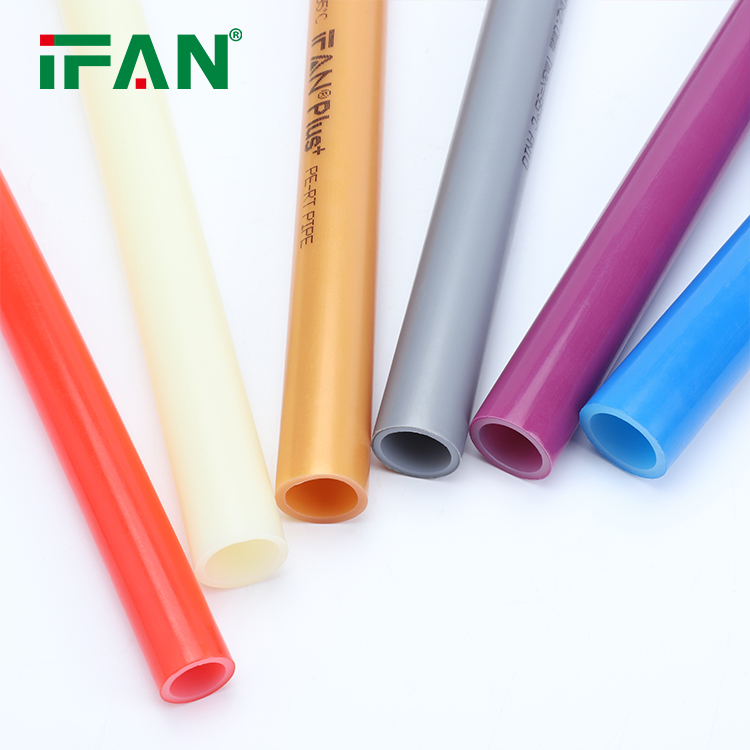
Temperature, sustained and intermittent. The pressure-temperature tables tell the story clearly. Running PEX near its upper temperature rating continuously is not the same as occasional peaks. If a heating system is designed to run at 60°C, the pipe is comfortable. If someone cranks the boiler and the loop sits at 80°C for years, the expected lifespan at that condition is half as long . Buyers specifying PEX for radiator or high-temperature applications should confirm the actual operating temperature, not just the boiler’s maximum output.
Oxygen and metal components. This one applies mainly to heating and hydronic systems. Standard PEX allows oxygen to permeate through the wall. In a closed loop with a cast-iron boiler or steel pump, that oxygen drives corrosion. Oxygen-barrier PEX with an EVOH layer limits transmission, and the barrier is there to protect the metal components, not the pipe itself . A system with barrier PEX throughout will outlast one where somebody saved money on the wrong spool.
What Does Not Kill PEX (Within Reason)
UV exposure is a real concern during storage and installation, but not after. PEX is not designed for outdoor use, and sunlight degrades the stabilizers over time . Once the pipe is buried in a wall, slab, or ceiling, that clock stops. Short-term exposure on a job site is manageable; leaving coils in direct sun for months is not.
Freeze resistance is another point worth clarifying. PEX expands if water inside it freezes and returns to shape after thawing, which is a genuine advantage over rigid materials. But freeze resistance is not the same as freeze immunity, and repeatedly frozen pipes are not doing their long-term durability any favors.
The IFAN Perspective on Getting the Life You Paid For
For buyers, the lifespan question ultimately comes down to matching the product to the application. IFAN’s PEX-a line is built around the crosslinking method that carries the highest degree of crosslinking among the three common PEX types, which translates to better creep resistance and long-term pressure performance at elevated temperatures . That matters if you are supplying for heating systems where the pipe will see sustained warmth rather than cold-water duty.
The more practical point is consistency. A pipe that meets its pressure-temperature rating on paper only delivers that life if every meter in the shipment behaves the same way. IFAN runs production in-house, from raw material through extrusion, which is the unglamorous part of durability that buyers rarely see but always inherit. And for hydronic applications where metal fittings are in the loop, specifying barrier PEX throughout is not upselling—it is the difference between a system that reaches its expected service life and one that corrodes from the inside out.
The Buyer’s Checklist
Ask three questions before accepting any lifespan claim. What is the operating temperature and pressure? What is the water chemistry, particularly chlorine levels? Is the system closed with metal components, and if so, is barrier pipe specified everywhere? Get those answers right, and the pipe will do its part. Get them wrong, and no datasheet number will save the installation.