The Mechanics of Pressure Resistance in Brass Valves
In pressurized water and fluid systems, the valve is often the most vulnerable component. A failure here can lead to catastrophic water damage, system downtime, and costly repairs. Maintaining a reliable seal under high pressure requires a combination of precise engineering, high-quality materials, and robust design. IFAN Brass Ball Valves are manufactured to meet these demanding conditions. By focusing on the interaction between the valve core, the sealing materials, and the brass body, IFAN ensures that these valves provide dependable flow control even in high-pressure applications.
Material Strength and Structural Integrity
The foundation of a pressure-resistant valve is its body. IFAN utilizes high-quality brass for the valve body, which offers excellent mechanical strength and resistance to corrosion. The thickness of the brass walls is carefully calculated to withstand the internal pressure without deformation.
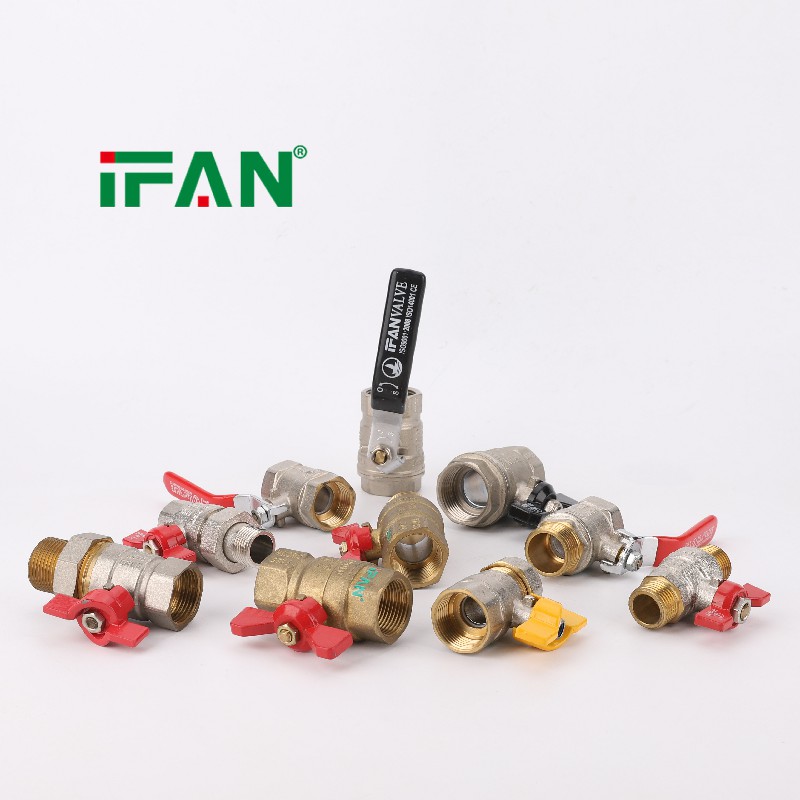
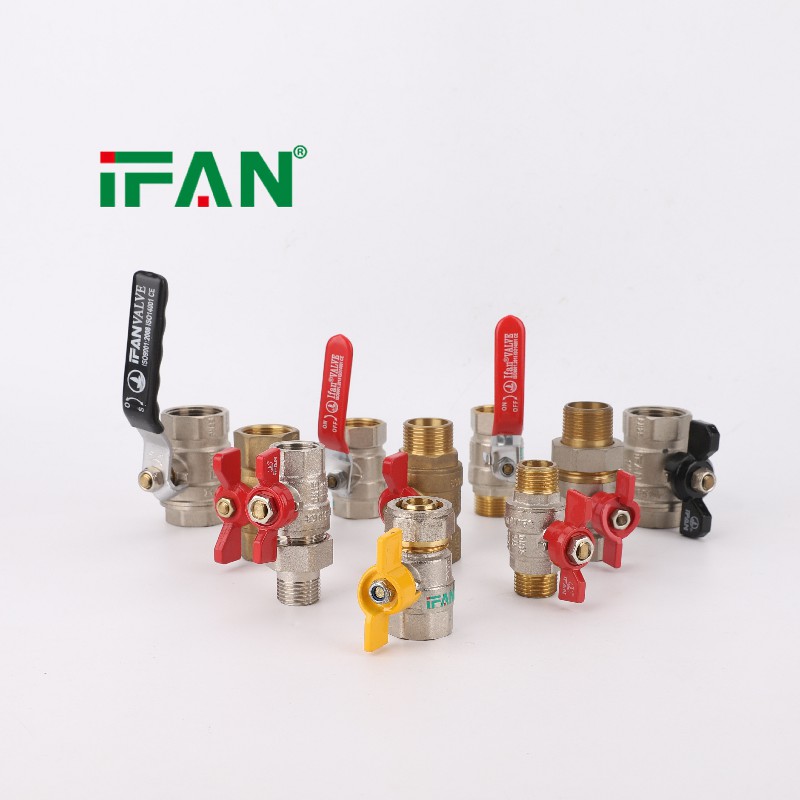
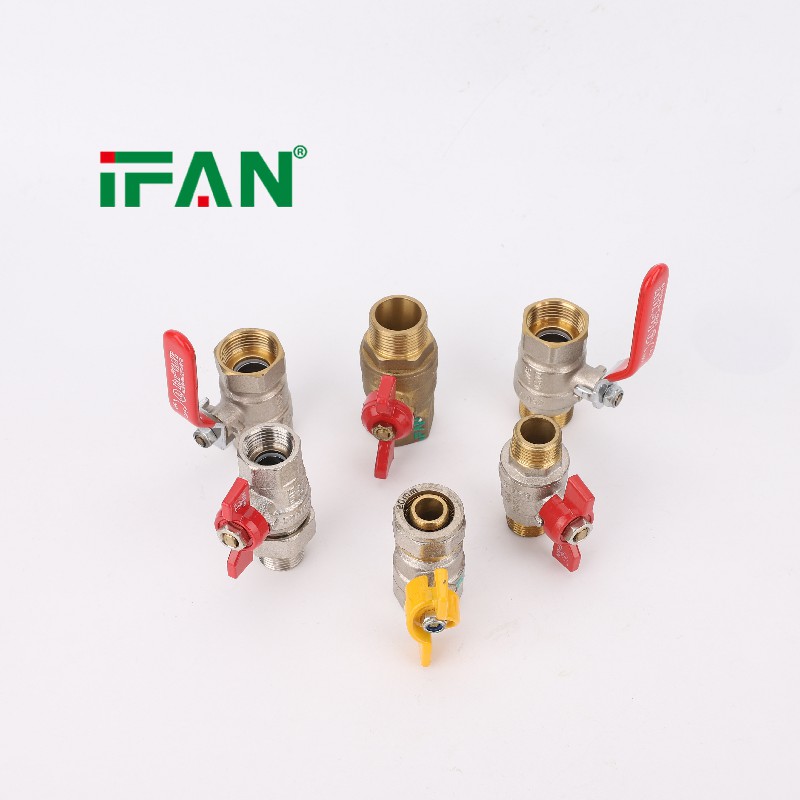
Equally important is the connection between the valve and the pipe. IFAN Brass Ball Valves are available with various connection types, including threaded and press-fit options. The threading is precisely machined to ensure a tight, secure fit with compatible pipes or fittings. When the valve is securely installed, the brass body and the connection points work together to contain the pressure, preventing leaks at the joints.
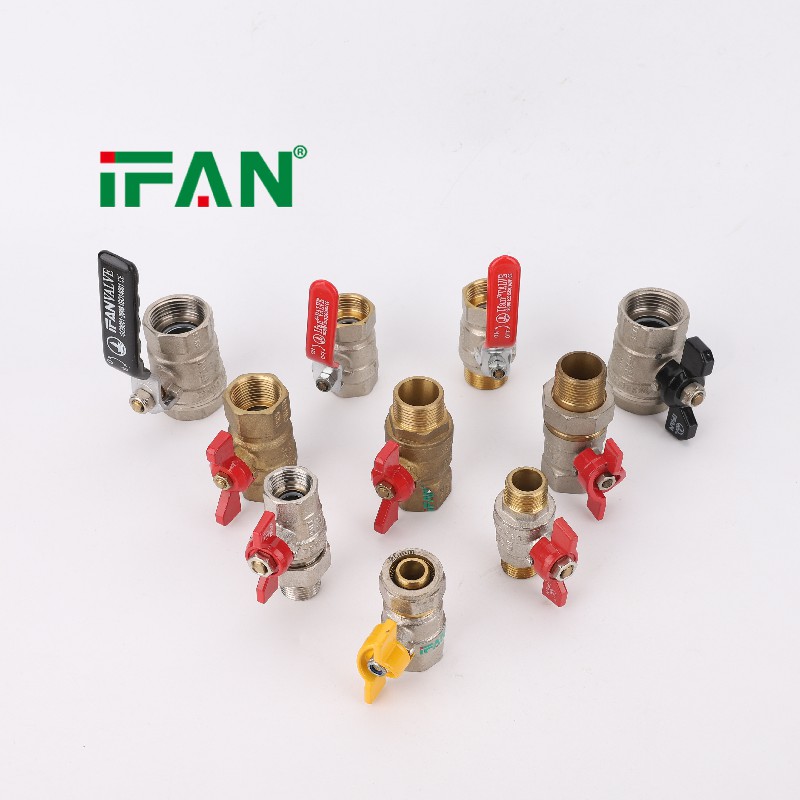
Sealing Technology: The Role of the Ball and Seats
The core of a ball valve is the spherical disc (the ball) and the seats that seal against it. Under high pressure, the fluid constantly pushes against the ball. To maintain a tight seal, IFAN Brass Ball Valves utilize high-quality PTFE (Teflon) seats. PTFE is chosen for its low friction, chemical resistance, and ability to maintain its shape under pressure.
When the valve is closed, the pressure of the fluid forces the ball against the downstream seat, creating a tight seal. The upstream seat also helps to contain the fluid. The design of the seats and the precise machining of the ball ensure that the contact surface is uniform, preventing fluid from bypassing the seal. Furthermore, the stem—which connects the handle to the ball—is sealed with O-rings to prevent leaks along the axis of rotation.
Operational Reliability and Torque Control
Under high pressure, the force required to turn the valve can increase significantly. If the torque is too high, it can damage the stem or the seats over time. IFAN Brass Ball Valves are designed to minimize operational torque while maintaining a secure seal. The smooth surface of the ball and the low-friction properties of the PTFE seats allow for easy quarter-turn operation, even in high-pressure lines.
This smooth operation reduces wear and tear on the internal components, extending the valve’s service life. Additionally, the stem design ensures that the rotational force is transferred efficiently to the ball without lateral stress that could compromise the seal.
Applications and Quality Verification
IFAN Brass Ball Valves are suitable for a wide range of applications, including residential water supply, commercial HVAC systems, and industrial fluid handling. Their ability to maintain a seal under high pressure makes them a reliable choice for main water shut-off points and critical isolation zones.
Before specifying valves for a high-pressure system, buyers should always verify that the valve’s pressure rating (PN or WOG) meets or exceeds the system’s maximum operating pressure. It is also important to confirm that the valves carry the required certifications for the local market. IFAN offers samples for evaluation, allowing engineers and contractors to inspect the material quality, machining precision, and sealing performance firsthand. For systems that demand reliable, high-pressure sealing, IFAN Brass Ball Valves provide a practical and durable solution.