The Structural Difference That Defines Valve Reliability
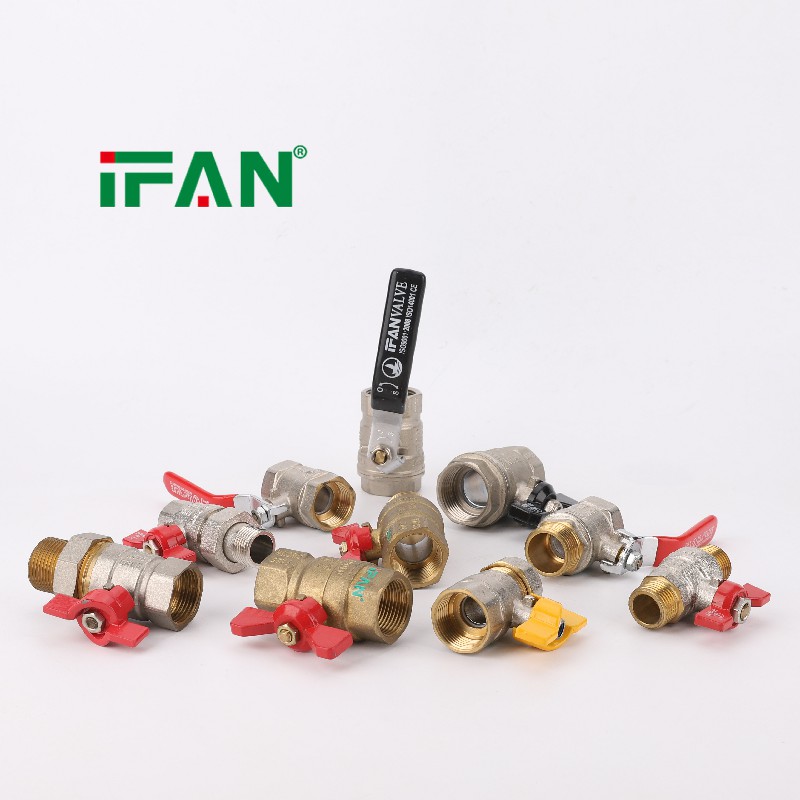
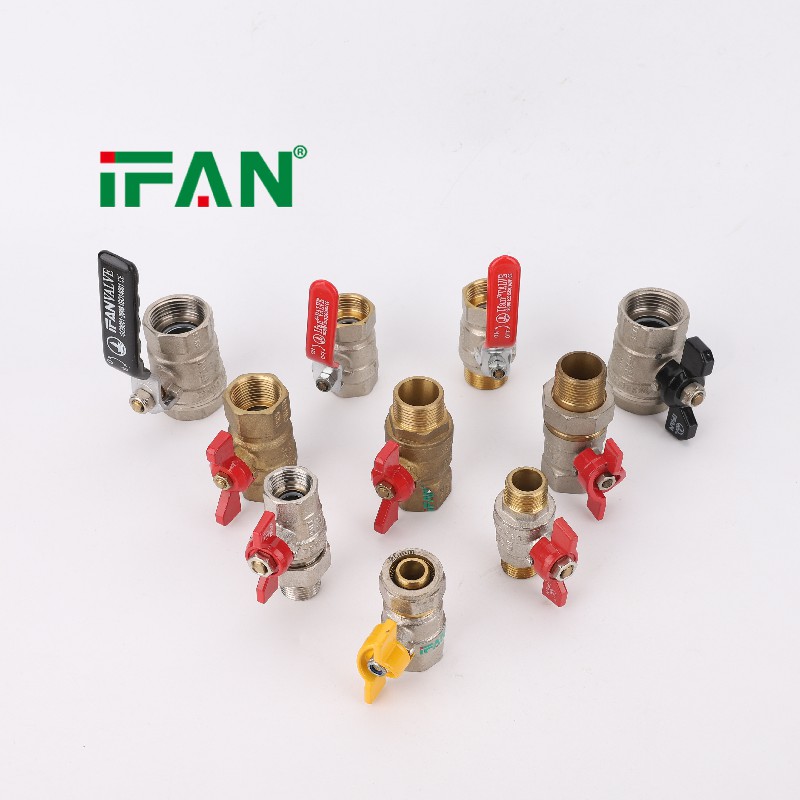
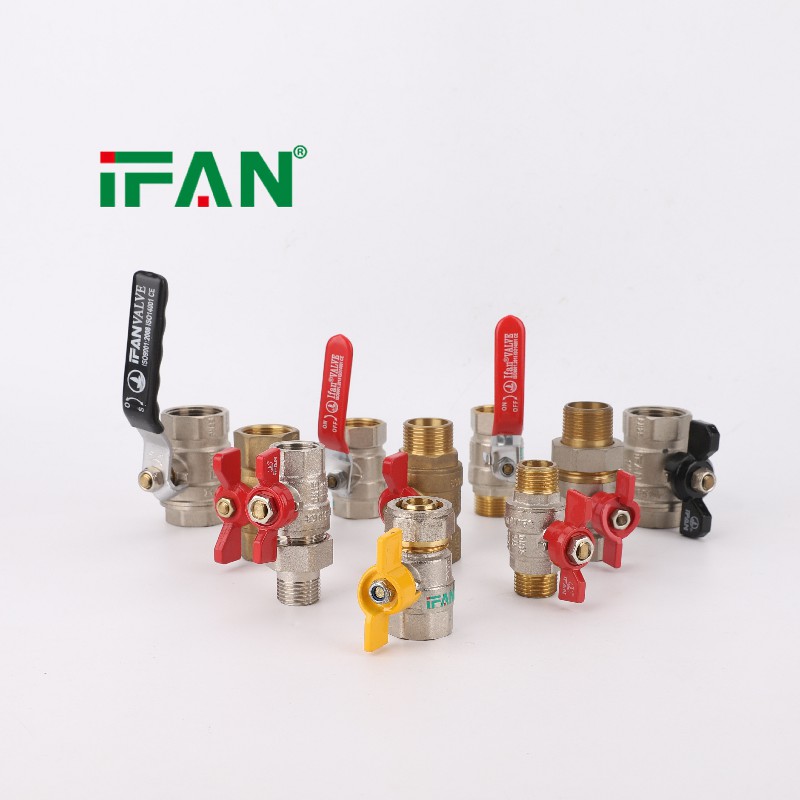
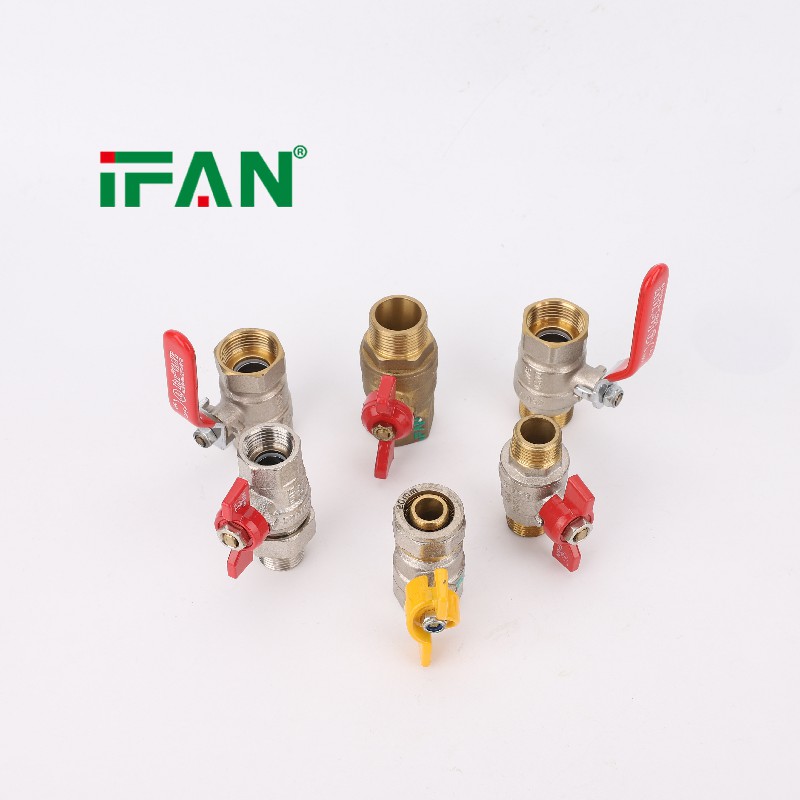
When selecting a brass ball valve, buyers often focus on pressure ratings and seal materials. However, the manufacturing method of the valve body itself is a critical factor that determines how the valve will perform over its lifespan. The two primary methods for producing brass valve bodies are casting and forging. Each process yields different material properties, affecting everything from tensile strength to porosity. Understanding these differences is essential for making an informed decision. IFAN utilizes both forging and casting techniques depending on the specific product line, ensuring that the construction method matches the demands of the application.
The Casting Process and Its Characteristics
Casting involves pouring molten brass into a mold cavity shaped like the valve body. Once the metal cools and solidifies, the mold is broken away, and the valve is machined. This process is highly versatile and allows for the creation of complex internal and external shapes.
However, casting has inherent challenges. As the molten brass cools, it can shrink unevenly, potentially creating internal voids or porosity. If these voids are close to the surface or intersect with the machined threads, they can become paths for leaks. High-quality casting processes, like those used by IFAN for its cast valve lines, employ strict quality control to minimize porosity. Cast valves are generally more cost-effective for larger sizes and complex designs, making them popular for general plumbing applications where extreme pressures are not a concern.
The Forging Advantage in High-Pressure Systems
Forging is a completely different approach. Instead of melting the brass, forging involves taking a solid brass billet and applying intense heat and mechanical pressure to shape it. This process aligns the grain structure of the metal, creating a denser, more uniform material.
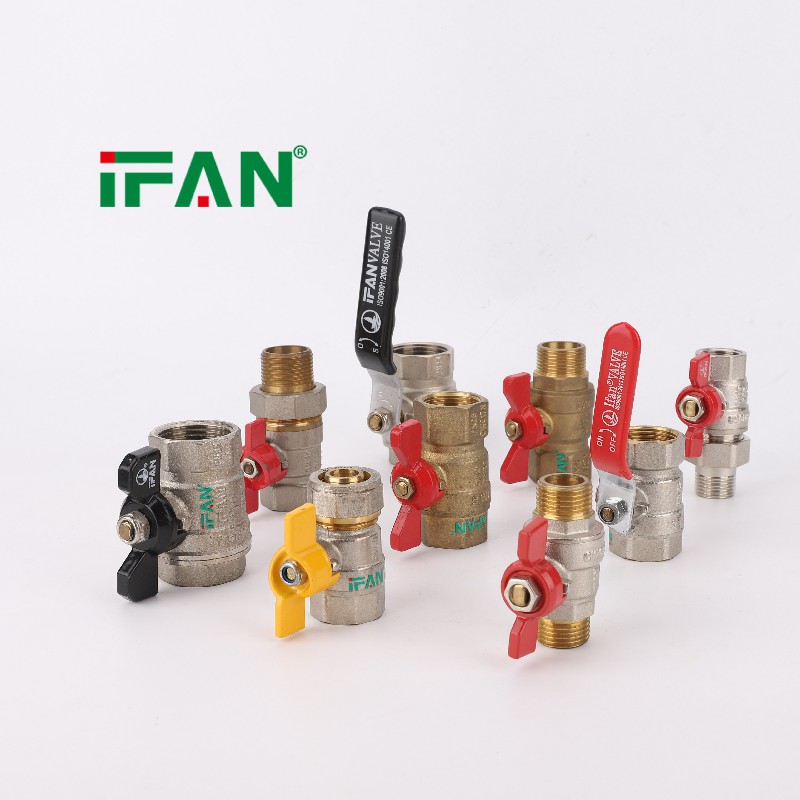
The primary advantage of a forged brass ball valve body is its superior mechanical strength and lack of porosity. Because the metal is compressed rather than melted and poured, the risk of internal voids is virtually eliminated. This makes forged valves highly resistant to pressure surges and mechanical stress. For systems operating at high pressures or in critical applications where failure is not an option, a forged body is the safer choice. IFAN’s forged brass ball valves are engineered for these demanding environments, providing reliable containment even under severe operating conditions.
Machining and Thread Integrity
Regardless of whether the body is cast or forged, the quality of the machining is what ultimately determines the seal. The threads must be cut cleanly to match standard pipe fittings.
With forged bodies, the inherent density of the material allows for cleaner, more precise thread cutting. The threads are less likely to chip or crumble, which is a risk in cast bodies if a porosity pocket is exposed during the machining process. This precision ensures a tighter, more secure connection between the valve and the pipe, reducing the chance of leaks at the joint. Both IFAN cast and forged valves undergo strict machining tolerances to ensure compatibility with standard piping systems.
How to Choose the Right Construction
Selecting between a forged and cast brass ball valve depends on the application’s specific requirements. For standard residential water supply, where pressure is relatively stable and budgets are a concern, a high-quality cast valve is often sufficient.
However, for commercial HVAC systems, industrial fluid handling, or main water shut-off points where pressure fluctuations are common, the structural integrity of a forged valve is a prudent investment. Buyers should always verify the pressure ratings and confirm that the valves carry the required certifications for their region. IFAN provides samples for evaluation, allowing contractors to inspect the grain structure, weight, and finish of both cast and forged options. For projects where structural integrity is paramount, IFAN forged brass ball valves deliver a dependable solution.