Comparing Two Distinct Approaches to Fluid Control
When designing a piping system, selecting the right valve for flow isolation is a decision that impacts operational efficiency, maintenance costs, and overall system reliability. Two of the most common choices are brass ball valves and butterfly valves. While both serve the fundamental purpose of starting and stopping flow, their internal mechanisms, size profiles, and ideal applications are vastly different. Understanding these distinctions is essential for engineers, contractors, and facility managers aiming to specify the most appropriate component for their specific pipeline requirements.
Mechanism of Operation and Sealing Dynamics
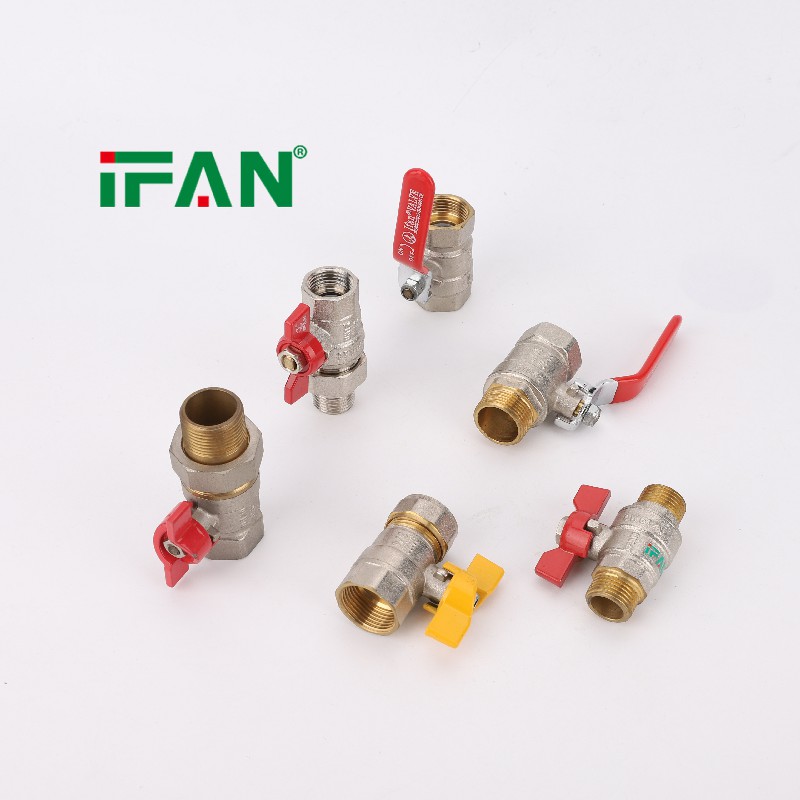
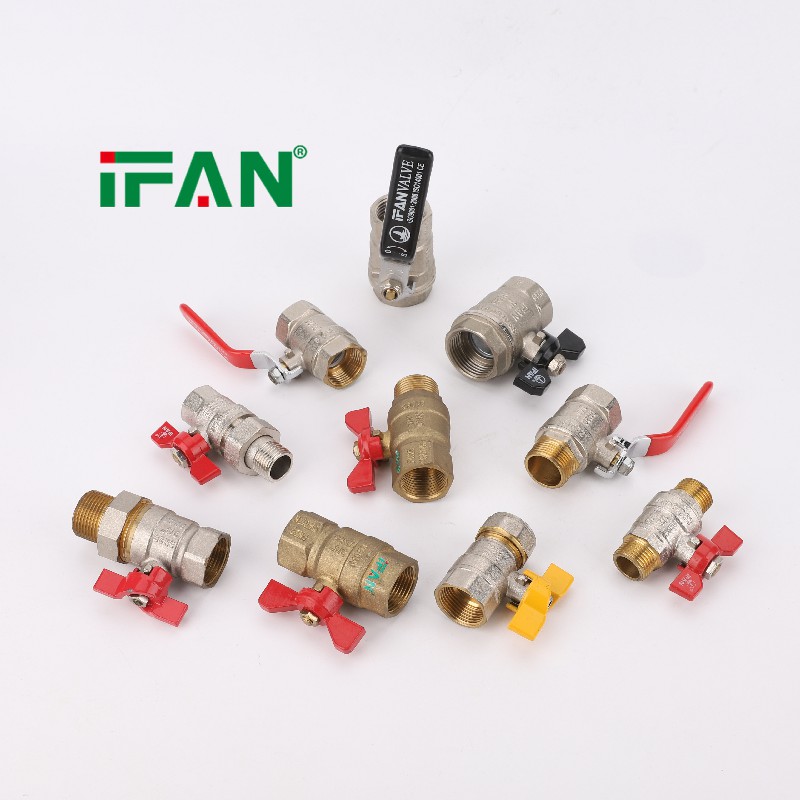
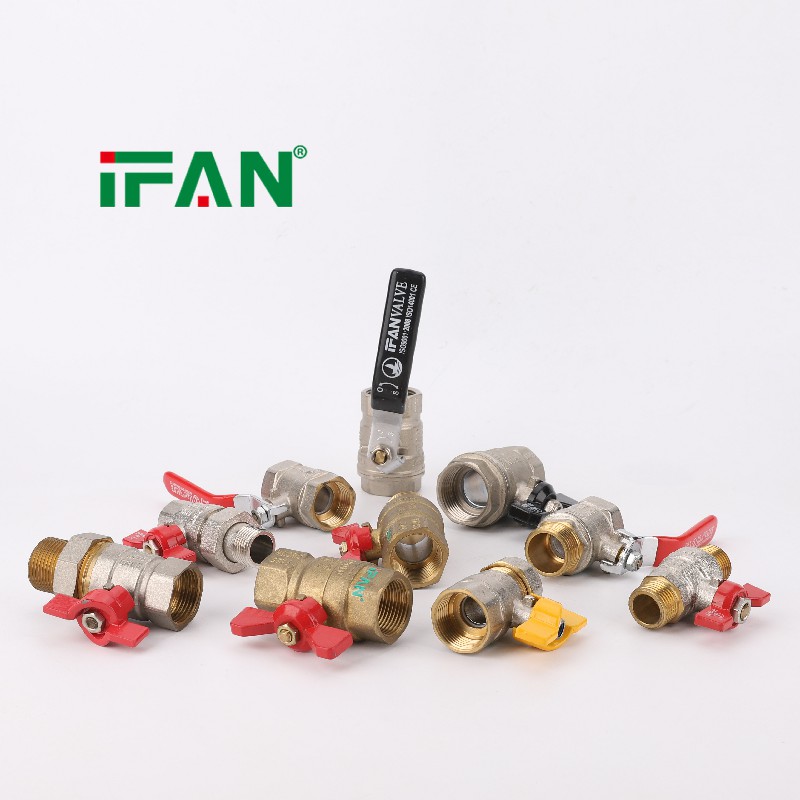
The core difference between these two valves lies in how they regulate flow. A brass ball valve features a spherical disc with a port through the center. A quarter-turn of the handle aligns or misaligns this port with the pipe bore. This rotation relies on PTFE seats pressing against the polished ball to create a metal-to-soft-material seal. This design provides a highly reliable, bubble-tight shutoff, making it excellent for isolating sections of a system completely.
Conversely, a butterfly valve utilizes a circular metal disc mounted on a rotating shaft. When the handle is turned, the disc pivots to either block or open the flow path. The seal is typically achieved through a rubber or elastomer liner seated around the valve body. While butterfly valves offer excellent flow control and are lightweight, their sealing mechanism is generally not as tight as a ball valve, and the disc remains in the flow path even when fully open.
Pressure Ratings and Temperature Limitations
Brass ball valves are renowned for their exceptional pressure and temperature tolerance. The robust brass body and the PTFE seats are designed to withstand high-pressure applications and continuous thermal cycling without degrading. This makes them ideal for high-pressure water supply lines, compressed air systems, and hot water distribution.
Butterfly valves, while available in high-pressure ratings, are often limited by the resilience of their elastomeric seats. At extremely high temperatures or pressures, the seat material can wear out or deform, leading to leaks. For heavy industrial or high-pressure thermal applications, a ball valve is often the safer, more durable choice.
Size, Weight, and Space Constraints
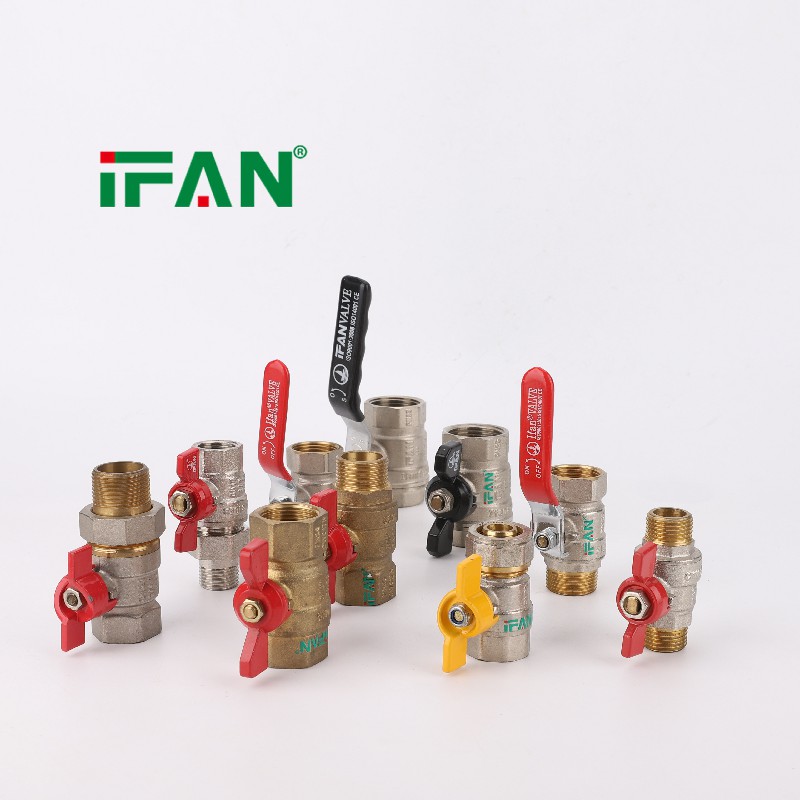
The physical footprint of the valve is a major consideration in compact installations. Brass ball valves are typically available in smaller sizes, commonly ranging from 1/4 inch to 4 inches. Because of the spherical internal structure, they are relatively compact, making them suitable for tight spaces, such as under sinks, inside wall cavities, or close to machinery.
Butterfly valves excel in larger pipe diameters, frequently used in sizes from 2 inches up to several feet. Their design is highly space-efficient in terms of face-to-face length compared to gate or globe valves. However, they require adequate clearance for the handle or actuator to rotate around the shaft. For large-scale municipal or industrial lines, butterfly valves are often the more practical and cost-effective option.
Cost and Maintenance Considerations
Initial procurement cost often dictates the choice for large projects. For small-diameter lines, brass ball valves are highly cost-effective and readily available. Their simple quarter-turn operation and robust sealing mean they require very little maintenance over their lifespan.
For larger diameters, the cost of brass ball valves increases exponentially due to the amount of material required. Butterfly valves become significantly more economical in these larger sizes. However, maintenance on butterfly valves may require replacing the seat liner, which can be more labor-intensive than simply swapping out a small ball valve.
Choosing the Right Solution
The decision between a brass ball valve and a butterfly valve should be based on the specific demands of the system. For small to medium-sized lines requiring frequent operation, high-pressure containment, or tight shutoff (such as in residential plumbing, compressed air, or chemical dosing), IFAN Brass Ball Valves offer precise control and dependable sealing. For large-diameter, lower-pressure applications where space and weight are primary concerns—such as cooling water systems or wastewater treatment—butterfly valves are often the standard choice. Buyers should verify pressure ratings and material compatibility before finalizing their selection, ensuring the chosen valve aligns with the system’s operational parameters.