Thread Configuration as a System Design Decision
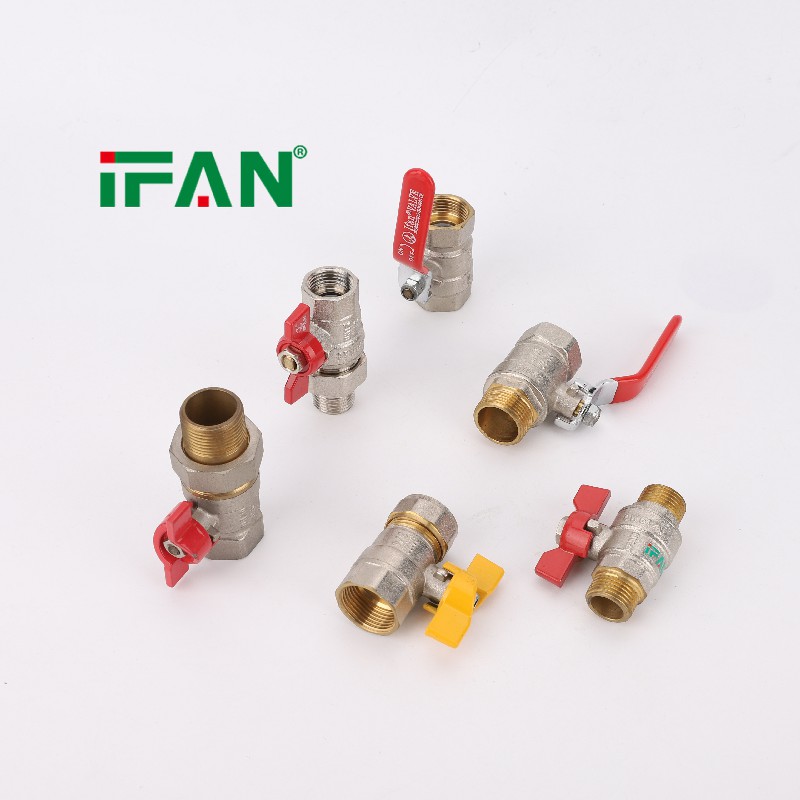
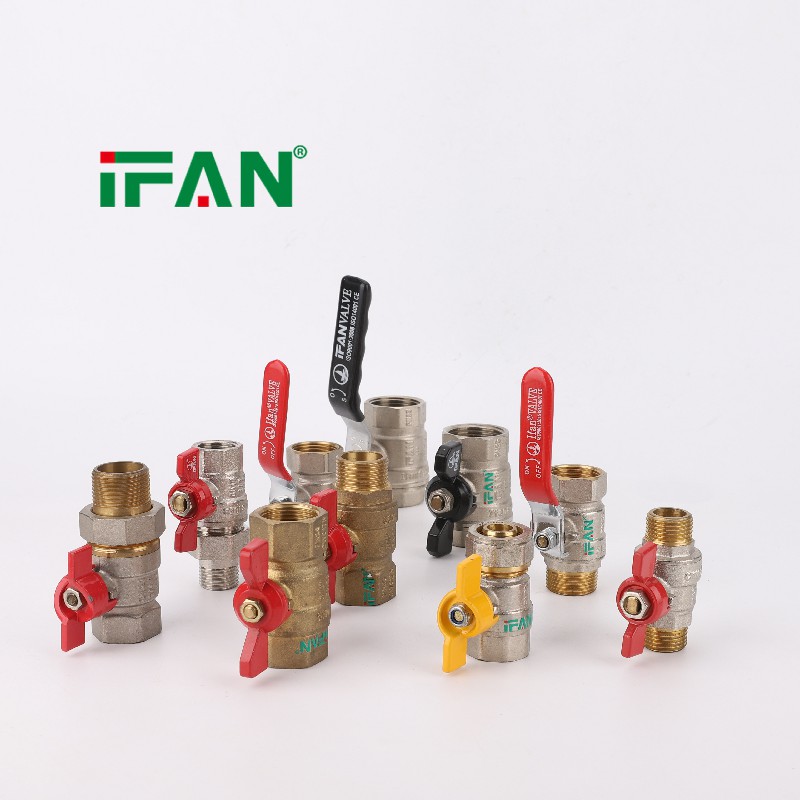
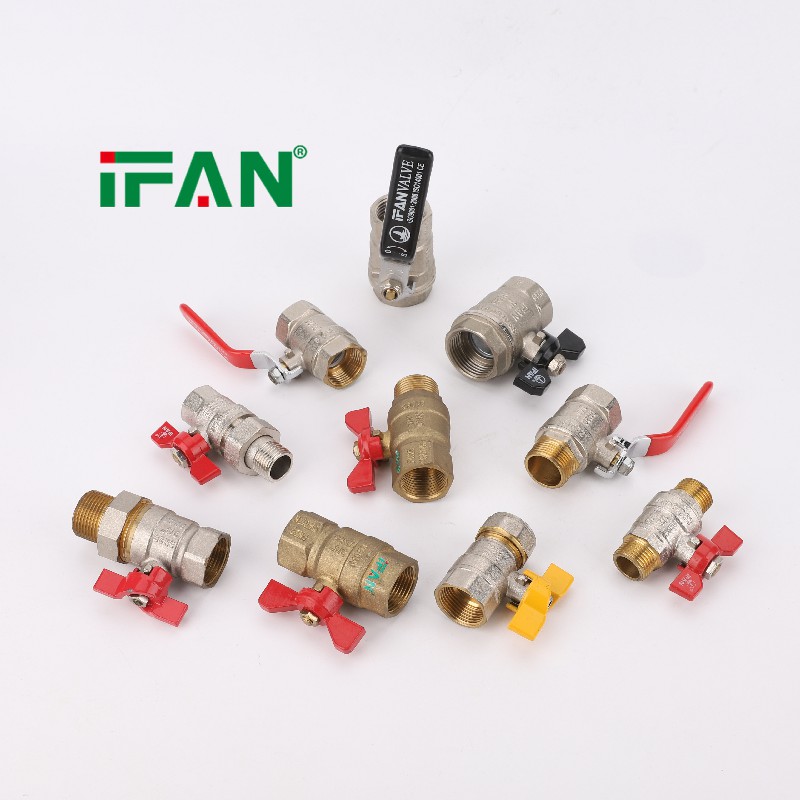
In the specification of brass ball valves, the internal mechanism—the ball, stem, and seats—often receives the most attention. However, the external thread configuration is just as critical to a successful installation. The choice between a female-threaded and a male-threaded valve dictates how the valve integrates with the surrounding piping network. Selecting the wrong configuration can lead to unnecessary adapters, increased leak points, and installation delays. IFAN manufactures both female and male threaded brass ball valves to accommodate the diverse connection needs of modern plumbing and industrial systems.
Understanding Female-Threaded Valve Configurations
A female-threaded valve features internal threads on both ends of the valve body. The pipe or fitting screws into the valve. This is the most common configuration for standard in-line installations. Female threads offer a significant advantage in terms of protection: the threads are housed inside the robust brass body, shielding them from physical impact during transport and installation.
In a typical setup, a female-threaded IFAN Brass Ball Valve is installed between two male-threaded pipe nipples. Because both ends of the valve are female, the installer has the flexibility to adjust the positioning of the nipples to achieve the desired alignment. This configuration is highly practical for general water supply lines, where the valve serves as a central isolation point.
The Role of Male-Threaded Valve Configurations
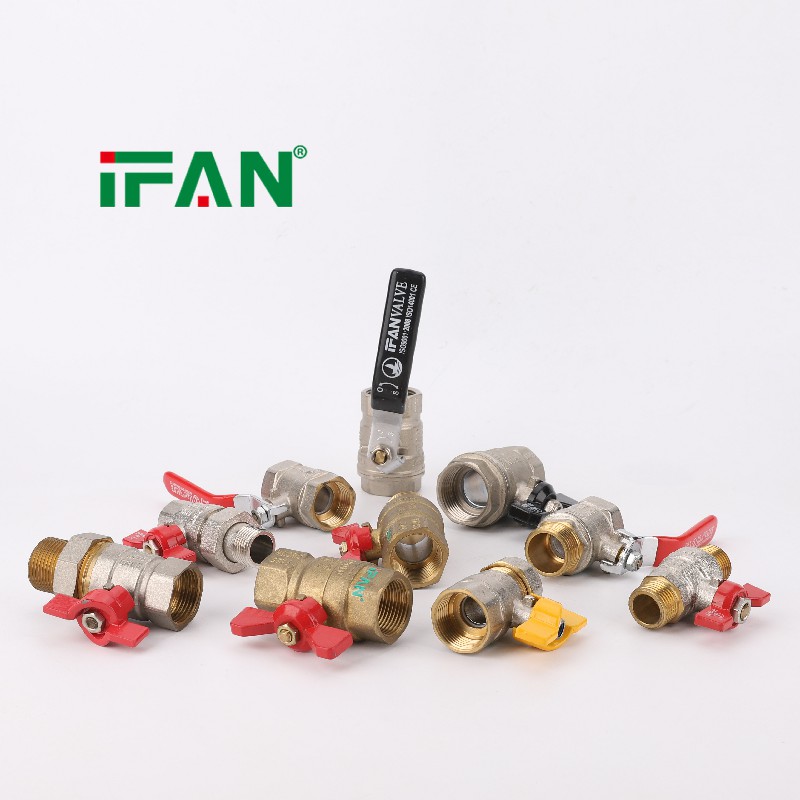
A male-threaded valve features external threads on one or both ends. The valve itself screws into a female-threaded pipe, fitting, or equipment port. This configuration is particularly useful when the valve needs to be attached directly to a tank, a pump, or a manifold that features internal threads.
Using a male-threaded IFAN Brass Ball Valve can eliminate the need for an extra pipe nipple, saving both space and installation time. However, male threads are more exposed and must be handled carefully to avoid damage. When installing a male-threaded valve, it is essential to use an appropriate thread sealant—such as PTFE tape or pipe dope—to ensure a watertight seal. Over-tightening a male thread can crack the female fitting it is being screwed into, so careful torque application is required.
Mixed Configurations and Space Optimization
Many practical installations call for a mixed configuration—a valve with a male thread on one end and a female thread on the other. This hybrid design offers maximum flexibility in tight spaces. For example, if a pipe terminates in a female fitting and the next component requires a male connection, a male-to-female valve can bridge the gap without additional adapters.
IFAN produces brass ball valves in various thread combinations to support these complex layouts. Reducing the number of adapters is not just about saving money on parts; every additional threaded connection is a potential leak point. By choosing the correct male/female configuration, installers can minimize joints and create a more streamlined, reliable piping system.
Installation Best Practices and Material Compatibility
Regardless of the thread configuration, proper installation techniques are paramount. When mating brass threads with dissimilar metals—such as stainless steel or galvanized iron—there is a risk of galvanic corrosion. In such cases, using a dielectric union or an appropriate thread sealant is advisable to isolate the metals.
Furthermore, installers must ensure that the threads are clean and free of debris before assembly. Cross-threading is a common error that can ruin the valve body or the pipe fitting. IFAN carefully machines its threads to standard specifications (such as BSP or NPT) to ensure precise compatibility.
Sourcing the Right Configuration
Before purchasing, buyers should carefully map out the system layout and identify the exact thread requirements for each valve location. Confirming the thread standard (NPT vs. BSP) is just as important as confirming the male or female configuration. IFAN offers a wide range of brass ball valves in both configurations and provides samples for evaluation. This allows contractors and distributors to verify the thread quality, machining precision, and material construction firsthand, ensuring the right fit for every project.