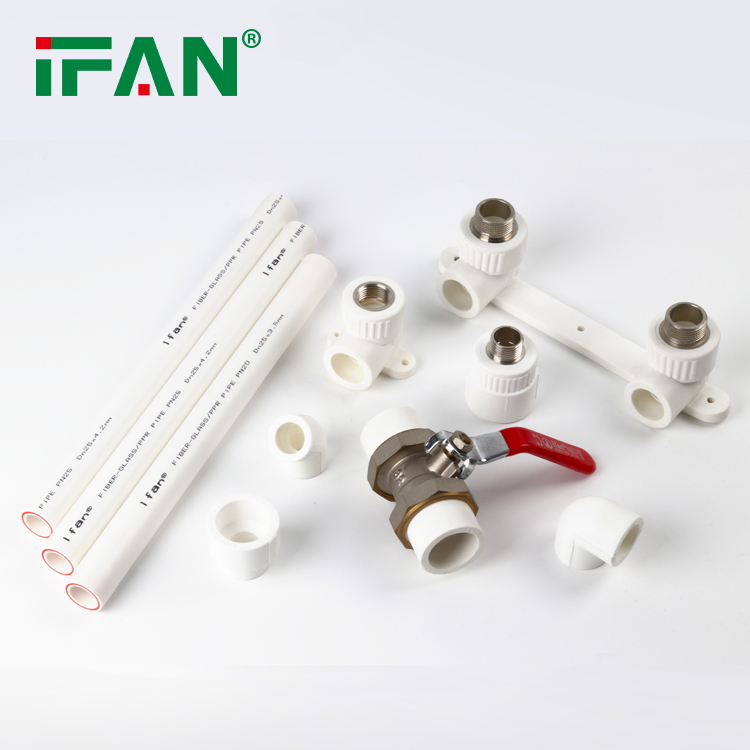
PPR (Polypropylene Random) pipe fittings have become increasingly popular in the plumbing industry due to their durability, cost-effectiveness, and ease of installation. However, proper installation techniques are crucial to ensure leak-free joints and maximize the longevity of the piping system. In this article, we will discuss the best practices and tips for installing PPR pipe fittings.
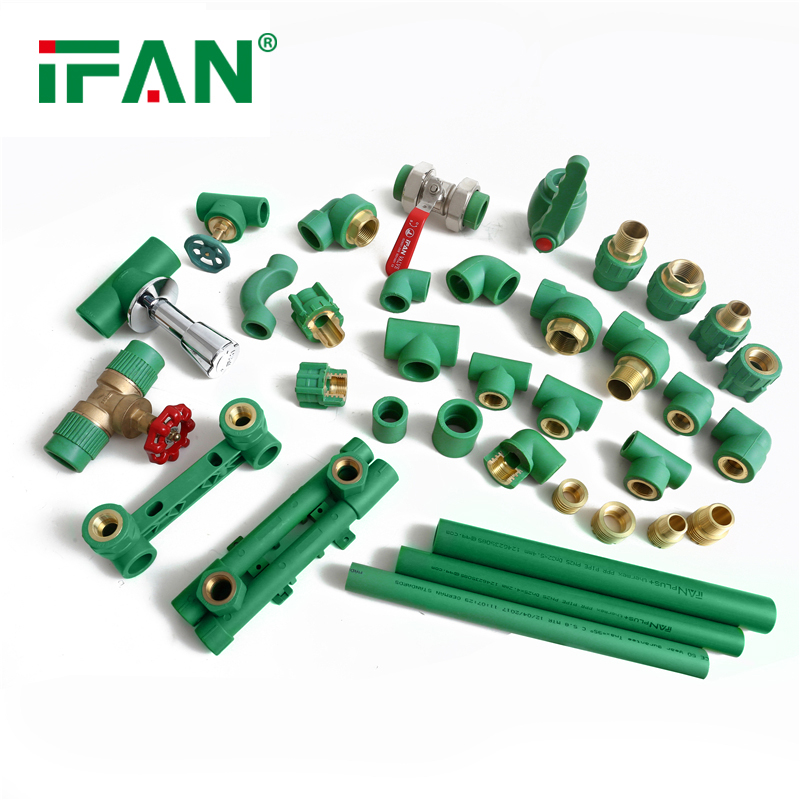
- Proper Planning and Measurement: Before starting the installation process, it is essential to plan the layout and measure accurately. Careful planning will help determine the required lengths, angles, and number of fittings needed for the project. It is recommended to use a pipe cutter or a fine-toothed saw for precise cutting.
- Clean and Deburr Pipes: To achieve secure and leak-free connections, it is vital to clean the ends of PPR pipes thoroughly. Any dirt, dust, or debris on the pipe ends can result in poor adhesion and compromised joints. Use a clean cloth or sandpaper to remove any contaminants. Additionally, be sure to deburr the edges to prevent interference with the sealing gasket inside the fittings.
- Use the Right Tools: Using the appropriate tools is crucial for successful PPR pipe fitting installation. A reliable welding machine with accurate temperature control is necessary. The welding machine should be specifically designed for PPR pipes and fittings. Insufficient or excessive heat can weaken the joints, leading to leaks or joint failure.
- Welding Technique: The most common method for joining PPR pipe fittings is thermal fusion welding. This technique involves heating both the fitting and pipe surfaces simultaneously using the welding machine until they reach the fusion temperature. Once heated, the pipe and fitting are pressed together firmly to create a seamless joint. It is essential to follow the manufacturer’s instructions for the correct welding time and pressure to ensure optimal fusion.
- Allow Sufficient Cooling Time: After welding the PPR pipe fittings, it is crucial to allow sufficient cooling time before handling or pressurizing the system. Premature handling can compromise the joint integrity and result in leaks. Follow the recommended cooling time provided by the manufacturer to ensure the fittings have properly fused together.
- Ensure Proper Alignment: During the welding process, it is important to ensure proper alignment of the pipes and fittings. Misalignment can lead to weak joints or uneven distribution of stress, resulting in potential leaks. Use alignment tools, such as clamps or templates, to ensure accurate alignment before welding.
- Do Not Over-Tighten: While it is important to tighten the fittings adequately, over-tightening can cause damage. PPR pipe fittings have built-in gaskets that provide a secure and leak-proof connection. Excessive force can deform or damage the gasket, leading to leaks. Follow the manufacturer’s recommendations for proper torque values to avoid over-tightening.
- Pressure Testing: After the installation of PPR pipe fittings, it is recommended to perform a pressure test to ensure the integrity of the system. Fill the system with water and gradually increase the pressure to the desired level. Monitor the system for any leaks or drops in pressure. If any leaks are detected, examine the joints and fittings for potential issues.
- Regular Maintenance: Once the PPR pipe fittings are successfully installed, regular maintenance is essential to prolong the lifespan of the system. Inspect the fittings periodically for any signs of wear, damage, or leakage. Replace any faulty fittings promptly to prevent further issues.
- Seek Professional Assistance: If you are unsure about the installation process or encounter any difficulties, it is advisable to seek professional assistance. Professional plumbers or technicians experienced in working with PPR pipe fittings can provide guidance and ensure a proper installation.
In conclusion
Proper installation techniques are vital for successful PPR pipe fitting installations. By following these best practices and tips, you can ensure leak-free joints, enhanced durability, and optimal performance of your PPR piping system.