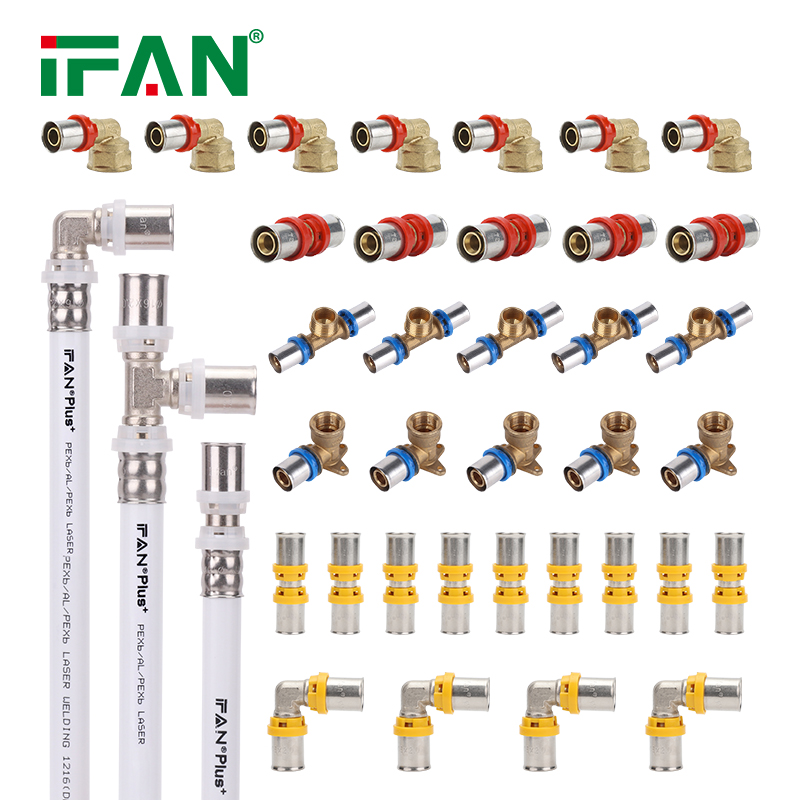
Should I replace my CPVC with PEX?
Deciding whether to replace CPVC (chlorinated polyvinyl chloride) with PEX (cross-linked polyethylene) pipes depends on several factors. Consider the following points when contemplating a replacement:
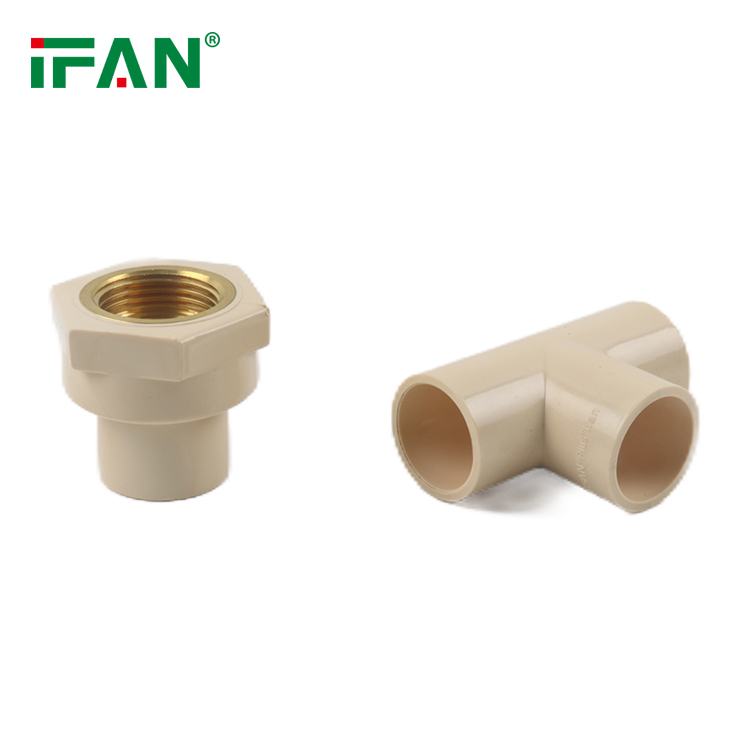
1. Age and Condition of CPVC Pipes:
- If the CPVC pipes are relatively new, in good condition, and have not experienced any significant issues, replacing them may not be necessary. Regular maintenance and inspections can help identify any potential problems early on.
2. Specific Issues with CPVC Pipes:
- If the CPVC pipes have experienced frequent leaks, failures, or other problems, it may be worth considering a replacement. Evaluating the root cause of these issues can help determine if replacement is the appropriate solution.
3. Compatibility with Existing System:
- Consider the compatibility of PEX with your existing plumbing system and fixtures. Ensure that the replacement pipes and fittings are compatible and can seamlessly connect to the existing system without significant modifications.
4. Desired Features and Applications:
- PEX pipes offer advantages such as flexibility, ease of installation, and resistance to freeze damage compared to CPVC. If these features are important for your specific applications or if you are planning renovations that require rerouting or expanding the plumbing system, replacing with PEX might be a viable option.
5. Budget and Cost Considerations:
- Replacement costs should be taken into account. Consider the cost of materials, labor, and any necessary modifications or additional components required for the replacement. Assess whether the benefits of replacing with PEX outweigh the associated costs.
6. Local Building Codes and Regulations:
- Ensure that any replacement work complies with local building codes and regulations. It is essential to consult with local authorities or plumbing professionals to ensure compliance.
Ultimately, the decision to replace CPVC with PEX depends on the specific circumstances, including the condition of the existing CPVC pipes, desired features and applications, compatibility with the existing system, budget considerations, and compliance with local codes. Consulting with plumbing professionals can provide valuable insights and recommendations tailored to your specific situation.