What is PPR Pipe & What is it Used For? A Comprehensive Overview
PPR (Polypropylene Random) pipe is a type of plastic pipe that is widely used in various industries and applications. Let’s explore what PPR pipe is and its main uses in different sectors.
What is PPR Pipe?
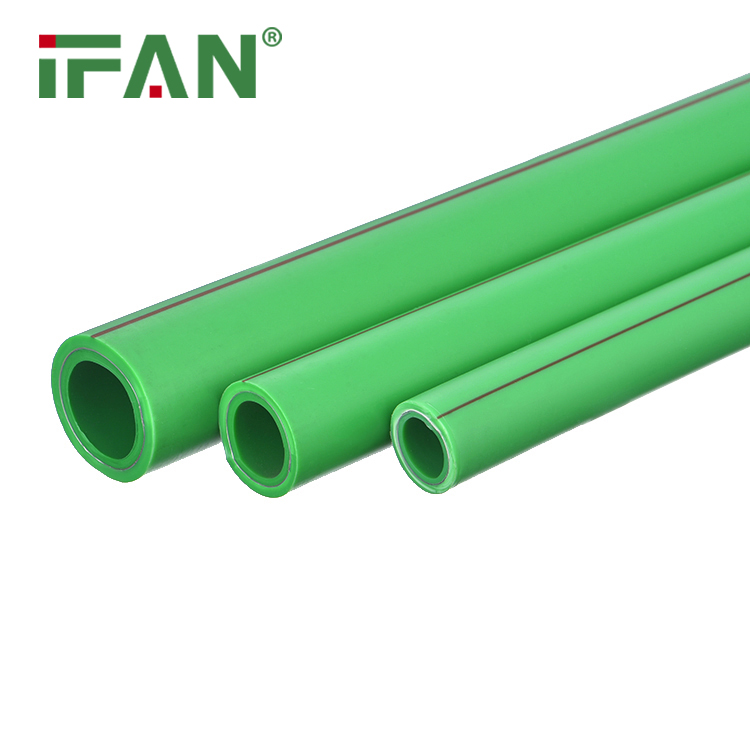
PPR pipe is made from polypropylene random copolymer, a thermoplastic material known for its excellent properties. It is a durable and flexible pipe that offers numerous advantages over traditional pipes like PVC and copper. PPR pipe is available in different sizes and can be used for both cold and hot water distribution systems.
Residential Plumbing Applications
PPR pipe is extensively used in residential plumbing systems. It is an ideal choice for supplying water to faucets, showers, toilets, and other fixtures in homes. PPR pipe offers high-pressure resistance, ensuring efficient water flow throughout the household. Its smooth inner surface minimizes scaling and corrosion, providing clean and safe water to residents.
Commercial and Industrial Plumbing Applications
PPR pipe finds widespread use in commercial and industrial plumbing applications. It is commonly employed in hotels, hospitals, office buildings, factories, and other establishments. PPR pipe can handle high-pressure water supply, making it suitable for industrial processes that require robust plumbing systems. Its chemical resistance ensures durability in environments with harsh chemicals, ensuring the longevity of the plumbing infrastructure.
Heating Systems
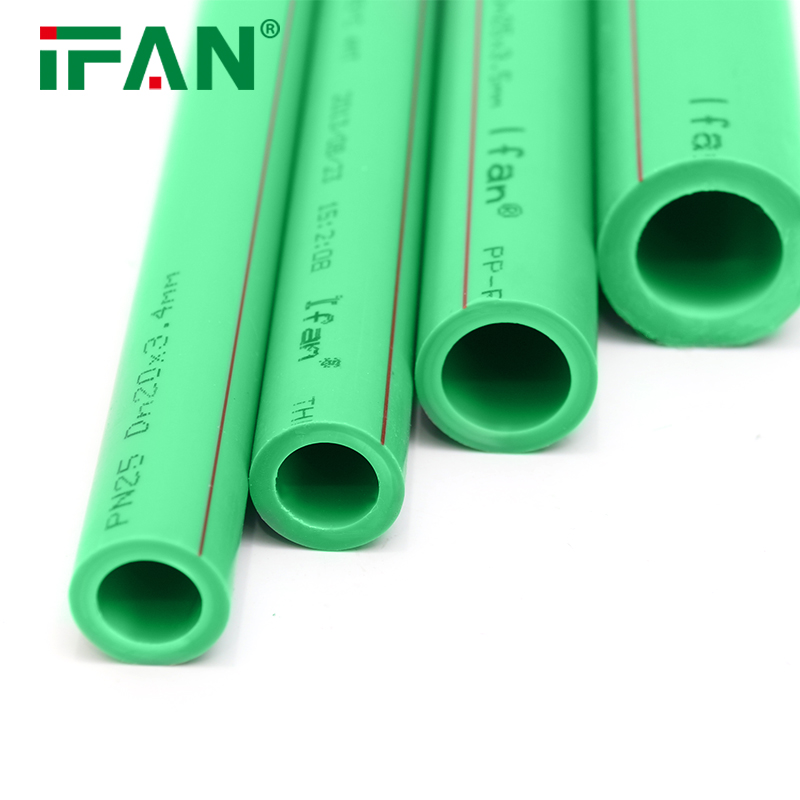
PPR pipe is extensively used in heating systems, including underfloor heating and radiator networks. It exhibits excellent thermal insulation properties, minimizing heat loss and ensuring efficient heat distribution. PPR pipe can withstand high temperatures, making it a reliable and safe choice for heating applications. Its resistance to scaling and corrosion further enhances the performance and longevity of heating systems.
Air Conditioning Systems
PPR pipe is suitable for air conditioning systems in both residential and commercial settings. It is used to transport chilled water or refrigerants to cool indoor environments. PPR pipe resists temperature variations, ensuring the integrity of the cooling system. Its smooth inner surface reduces friction loss, enhancing the energy efficiency of air conditioning systems.
Agricultural Irrigation
PPR pipe is widely employed in agricultural irrigation systems. It facilitates efficient water distribution to farms, ensuring proper hydration of crops. PPR pipe is UV-resistant, making it suitable for outdoor installations. Its lightweight nature and ease of installation make it a preferred choice in agricultural settings where efficiency and cost-effectiveness are crucial.
Advantages of PPR Pipe
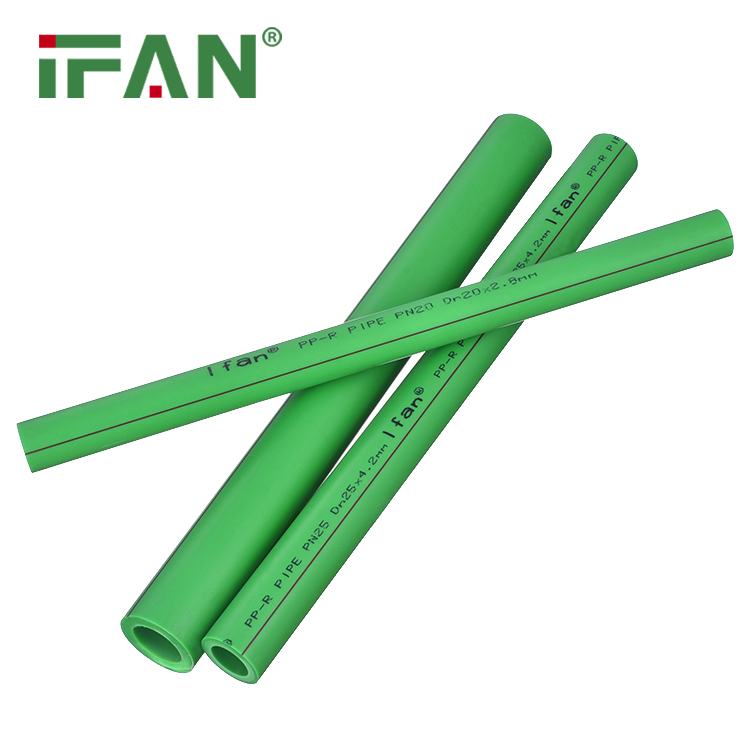
- Durability: PPR pipe is highly durable and has a long service life. It is resistant to corrosion, scaling, and chemical reactions, ensuring the longevity of the plumbing system.
- Leak-Proof Joints: When connected using PPR pipe fittings, PPR pipe provides leak-proof joints. This ensures efficient water distribution without wastage or damage to the surrounding infrastructure.
- Low Thermal Conductivity: PPR pipe exhibits low thermal conductivity, minimizing heat loss in heating systems and enhancing overall energy efficiency.
- Chemical Resistance: PPR pipe is resistant to chemicals, making it suitable for various applications involving corrosive or aggressive substances.
- Easy Installation: PPR pipe is lightweight and easy to install, reducing installation time and labor costs. It can be connected using heat fusion or mechanical joints, ensuring flexibility during installation.
- Hygienic and Safe: PPR pipe is non-toxic and does not release harmful substances into the water supply. It is also resistant to bacterial growth, providing clean and safe water for consumption.
In summary, PPR pipe is a versatile material widely used in residential, commercial, and industrial plumbing systems, as well as in heating, air conditioning, and agricultural irrigation applications. Its durability, leak-proof joints, low thermal conductivity, chemical resistance, ease of installation, and hygienic properties make it a preferred choice for a wide range of plumbing needs.