What is the best pipe for main water line?

What is the best pipe for main water line?

Selecting the best pipe for a main water line depends on various factors, including durability, pressure rating, temperature resistance, chemical compatibility, and local building codes. Here are some commonly used pipe materials for main water lines:

1. Copper: Copper pipes are known for their durability, corrosion resistance, and long lifespan. They can withstand high pressures and are suitable for both hot and cold water applications. However, copper pipes can be more expensive and require skilled installation.

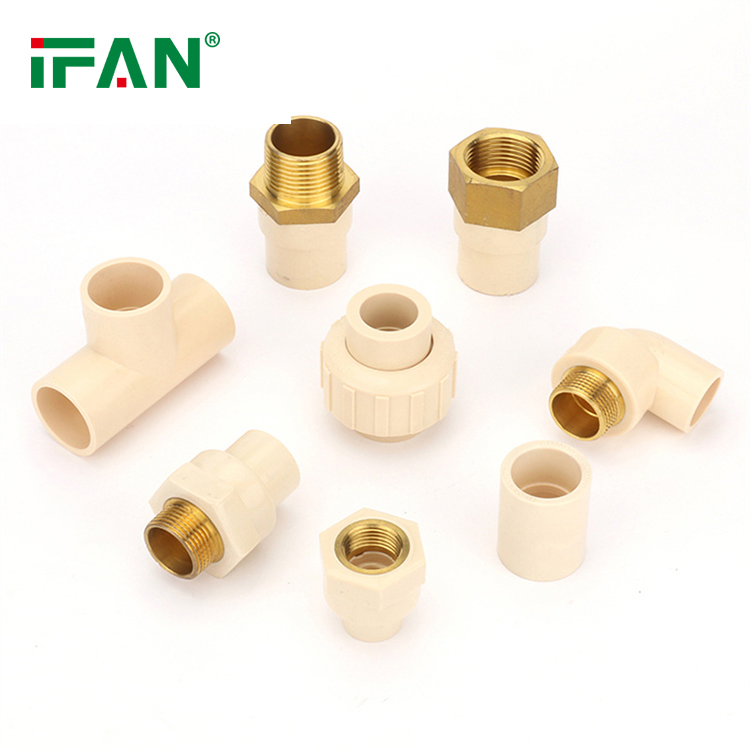
2. CPVC: CPVC pipes offer advantages such as high-temperature resistance, chemical resistance, and ease of installation. They are commonly used for both hot and cold water supply systems. CPVC pipes are cost-effective compared to copper and offer good long-term performance.

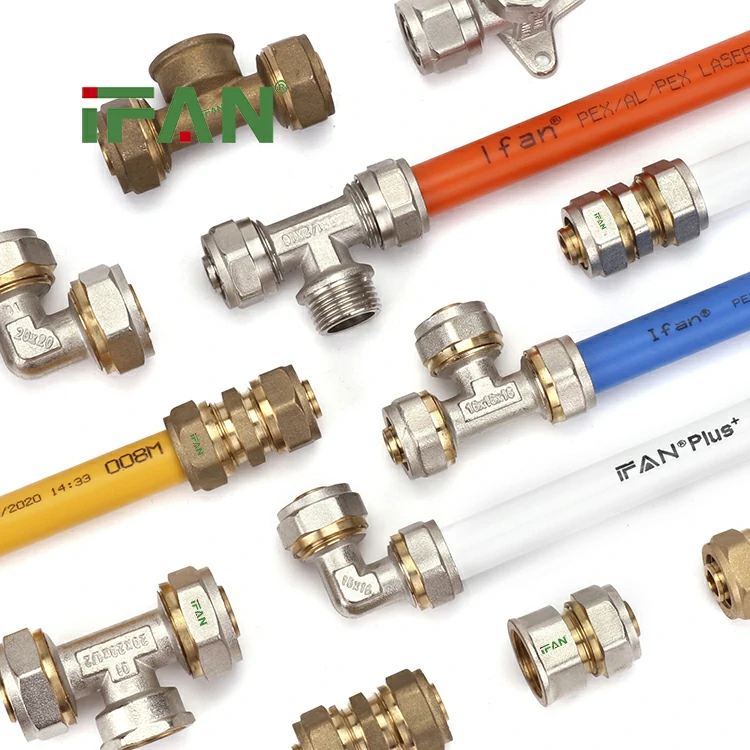
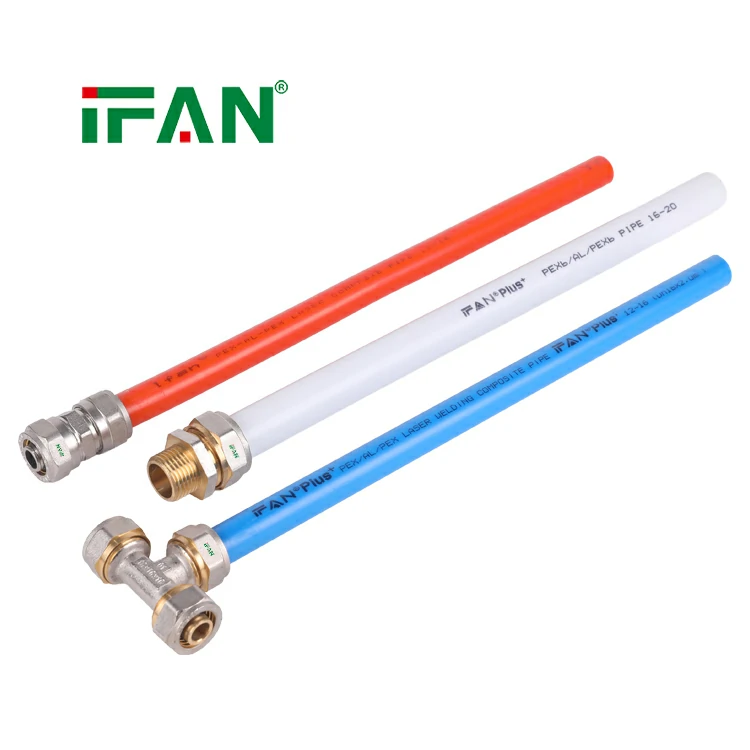
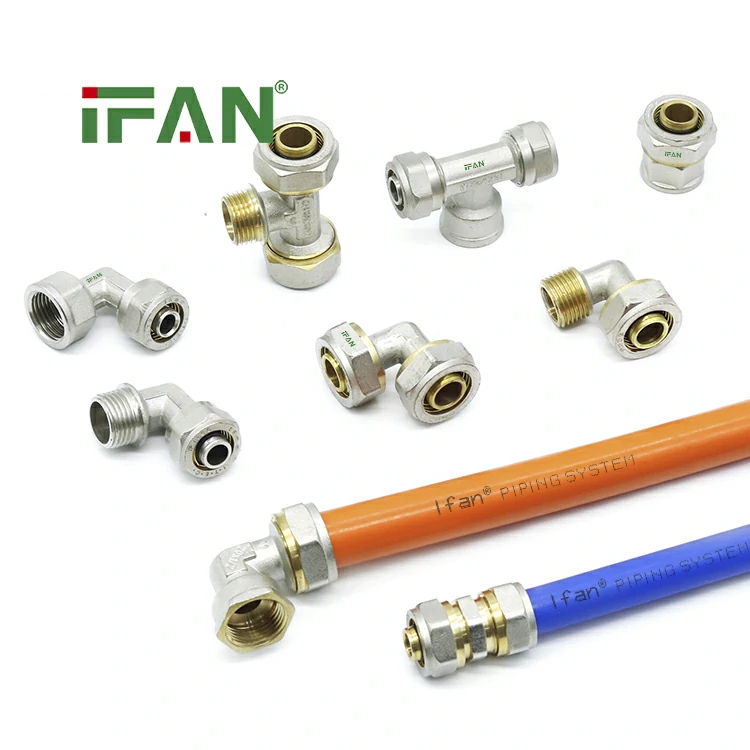
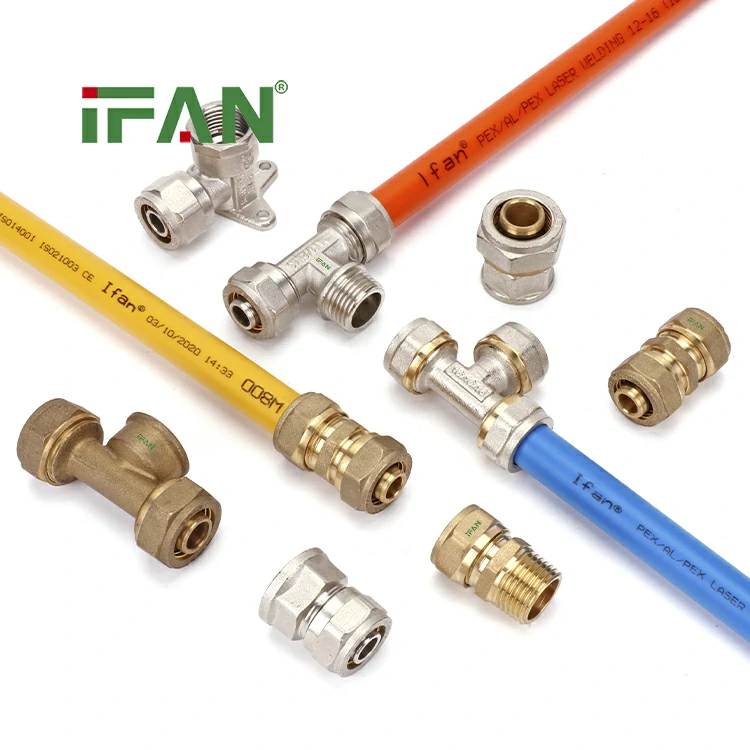
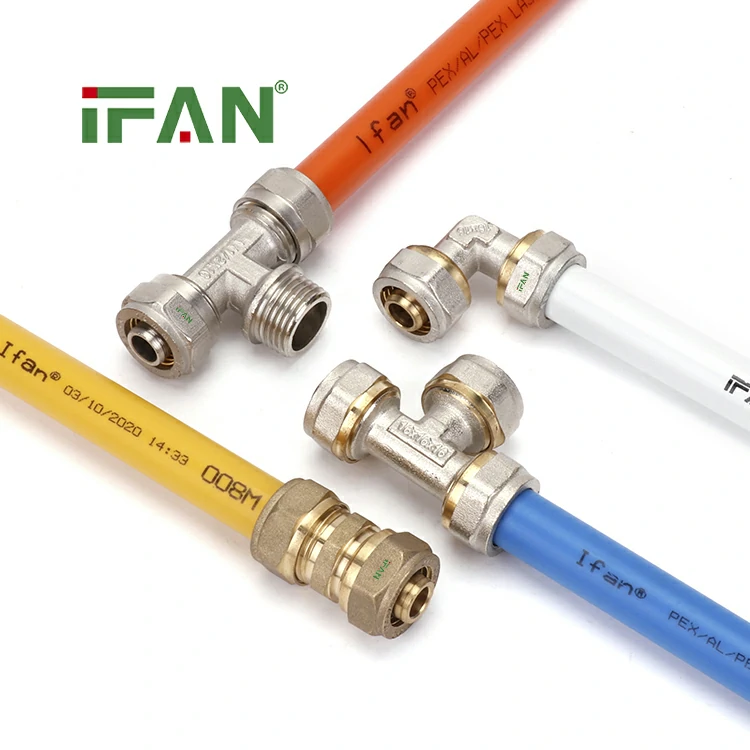
3. PEX: PEX pipes are flexible, making them easy to install and suitable for a variety of water line configurations. They have excellent temperature and pressure ratings, as well as resistance to corrosion and scaling. PEX pipes are often chosen for their affordability and versatility.

4. HDPE: High-density polyethylene (HDPE) pipes are known for their exceptional durability, chemical resistance, and longevity. They are commonly used for water distribution systems due to their ability to handle high pressures and resistance to corrosion.

5. PVC: Polyvinyl chloride (PVC) pipes are affordable, lightweight, and relatively easy to install. They are commonly used for cold water lines and underground water distribution systems. However, PVC pipes have lower temperature and pressure ratings compared to other materials.
When choosing the best pipe for a main water line, it is crucial to consider factors such as project requirements, local codes and regulations, budget, and the specific advantages offered by each pipe material. Consulting with plumbing professionals or experts can provide valuable insights and help determine the most appropriate choice for your main water line project.
Share:

Facebook
Twitter
Pinterest
LinkedIn

Leave a Comment

Your email address will not be published. Required fields are marked *

On Key

Related Posts

PPR Pipe Stiffness Class and Its Effect on Buried Installations

Is Your Underground Pipe Slowly Getting Crushed Right Under Your Feet? Look, most people spend weeks picking tile colors and countertop materials during renovation. Then they throw some pipes in the ground, cover them up, and forget about them. Three years later — bathroom leaking, kitchen damp, water bill through the roof. You tear up

Understanding PNR and MOP Ratings on PPR Pipes

Don’t Just Check the Price — These Two Numbers on the Pipe Matter Most Let’s be honest — most people walk into a plumbing supply store and the first thing they ask is “how much per meter?” The seller gives a number, you compare it with another shop, and you buy the cheapest one. But

Threaded vs Socket Fusion PPR Fittings: Which One Should You Actually Pick?

Why This Question Matters More Than You Think Let’s be real. Most people walk into a plumbing store, see rows of PPR fittings, and just grab whatever looks cheap. That’s how leaks happen. That’s how basements flood at 2 AM. The difference between threaded and socket fusion fittings isn’t just technical — it’s the difference

PPR Pipe Pressure Loss and Friction Loss Charts Explained

Why Pressure Loss Matters More Than You Think Let’s be honest — nobody gets excited talking about pressure loss. But here’s the thing: every time you turn on a faucet and water trickles out like it’s thinking twice, that’s pressure loss doing its dirty work. In pipe systems, friction loss eats up your energy, kills

How to Calculate Thermal Expansion for Long PPR Pipe Runs | The Complete Guide

Why This Actually Matters for Your Piping System Alright, let’s be honest — nobody wakes up excited about thermal expansion calculations. But here’s the thing: if you’ve ever heard a PPR pipe bang, creak, or worse, seen a joint crack after months of hot water running through it, thermal expansion is probably the culprit. And

Get Free Quote NOW