
Which pipe is better for plumbing?
Choosing the best pipe for plumbing depends on various factors, including the specific application, budget, durability, chemical resistance, installation ease, and local regulations. Here are some commonly used pipe materials for plumbing, along with their key characteristics:
1. Copper: Copper pipes offer durability, corrosion resistance, and long lifespans. They are commonly used for both hot and cold water supply systems and have a proven track record of reliability. However, copper pipes can be more expensive and require skilled installation.
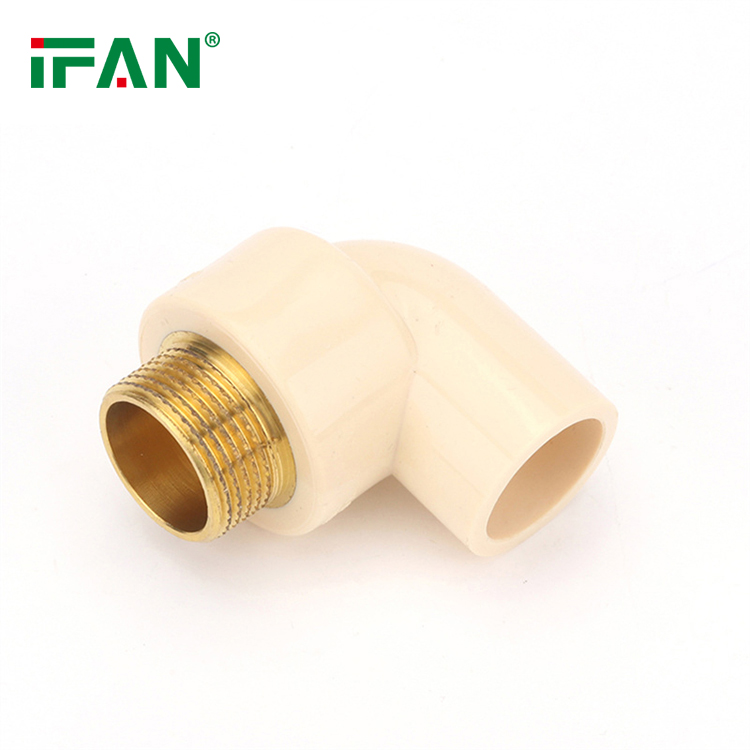
2. CPVC: CPVC pipes are known for their high-temperature resistance, chemical resistance, ease of installation, and affordability. They are commonly used for hot and cold water supply systems, as well as other plumbing applications. CPVC offers a good balance between performance and cost-effectiveness.
3. PEX: PEX pipes are flexible, making them easy to install and suitable for a variety of plumbing configurations. They have excellent temperature and pressure ratings, resistance to corrosion, and are generally affordable. PEX pipes are often chosen for their versatility and cost-effectiveness.
4. PVC: PVC pipes are lightweight, affordable, and relatively easy to install. They are commonly used for cold water distribution systems, drain lines, and vent lines. However, PVC pipes have lower temperature and pressure ratings compared to other materials, limiting their use in hot water applications.
5. HDPE: High-density polyethylene (HDPE) pipes offer exceptional durability, chemical resistance, and longevity. They are commonly used for drainage, sewer systems, and underground plumbing due to their ability to withstand high pressures and resist corrosion.
The best pipe material for plumbing depends on the specific requirements, budget constraints, and local codes and regulations. It is recommended to consult with plumbing professionals or experts to determine the most appropriate pipe material for your plumbing project based on the desired performance characteristics and project requirements.