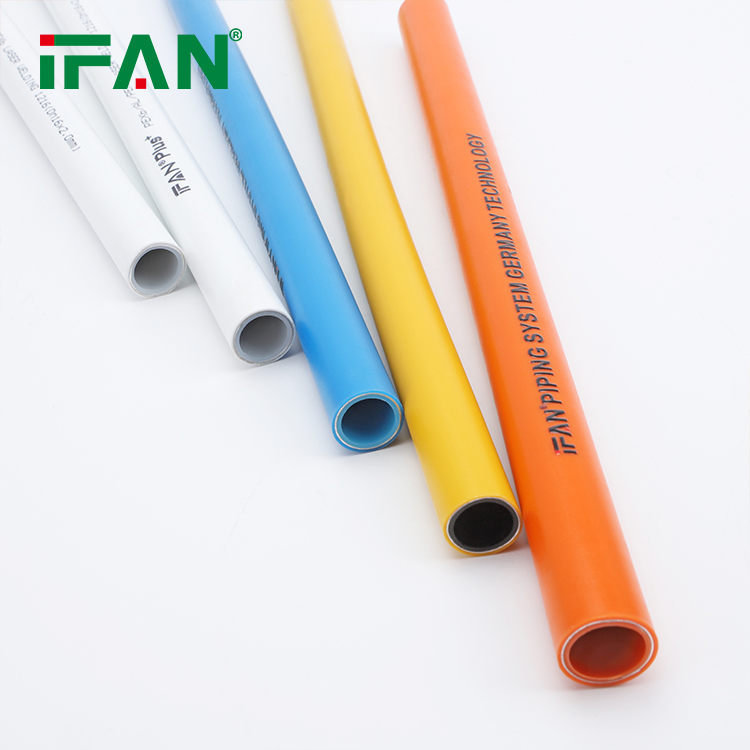
What is more expensive, PVC or CPVC?
When comparing the costs of PVC (polyvinyl chloride) and CPVC (chlorinated polyvinyl chloride) pipes, there are several factors to consider. Here are some important points regarding the relative costs of PVC and CPVC:
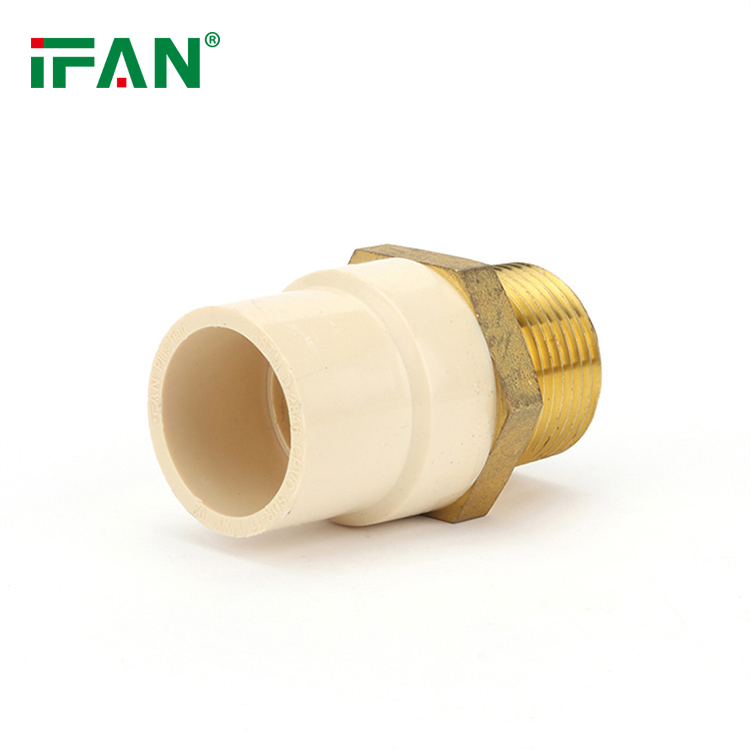
1. Material Costs: In general, PVC pipes are more affordable compared to CPVC pipes. PVC is a commonly used and widely available material, resulting in lower material costs. CPVC, on the other hand, undergoes an additional chlorination process, which increases its production cost.
2. Installation Costs: The installation costs for both PVC and CPVC pipes are relatively similar, as the installation techniques and requirements are comparable. Both types of pipes can be easily cut, joined, and installed with appropriate fittings and solvent cement.
3. Longevity and Maintenance Costs: CPVC pipes are known for their durability, chemical resistance, and long lifespan. They require minimal maintenance and are less prone to corrosion and degradation. PVC pipes also offer good durability but may require more maintenance and periodic inspections to ensure their longevity.
4. Specific Application Costs: Depending on the specific application or project requirements, the cost difference between PVC and CPVC pipes may vary. For applications that involve higher temperatures, aggressive chemicals, or specific code compliance requirements, the additional cost of using CPVC may be justified.
5. Overall Project Costs: When considering the overall project costs, it is important to include factors such as the specific application, project size, installation complexity, maintenance requirements, and any additional accessories or fittings needed. This comprehensive assessment will help determine the most cost-effective choice between PVC and CPVC pipes.
While PVC pipes are generally more affordable, CPVC pipes offer advantages such as higher temperature resistance and enhanced chemical resistance, which can justify the additional cost in certain applications. It is recommended to consult with plumbing professionals or experts to assess the specific project requirements and determine the most suitable and cost-effective pipe material.