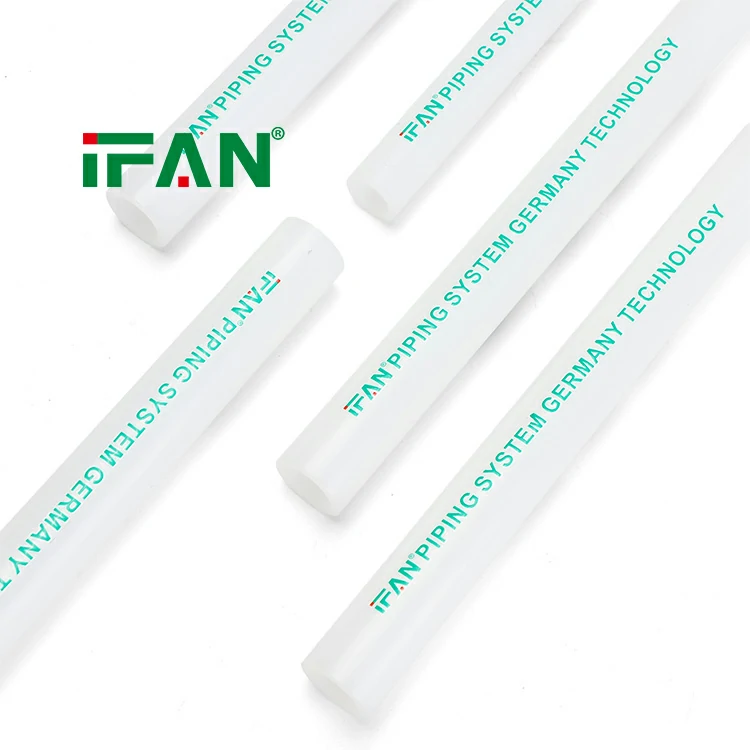
Are PPR pipe fittings compatible with other types of piping materials?
PPR (Polypropylene Random Copolymer) pipe fittings are generally compatible with various types of piping materials, allowing for versatility in plumbing system installations. Here are some key points regarding the compatibility of PPR pipe fittings with other piping materials:
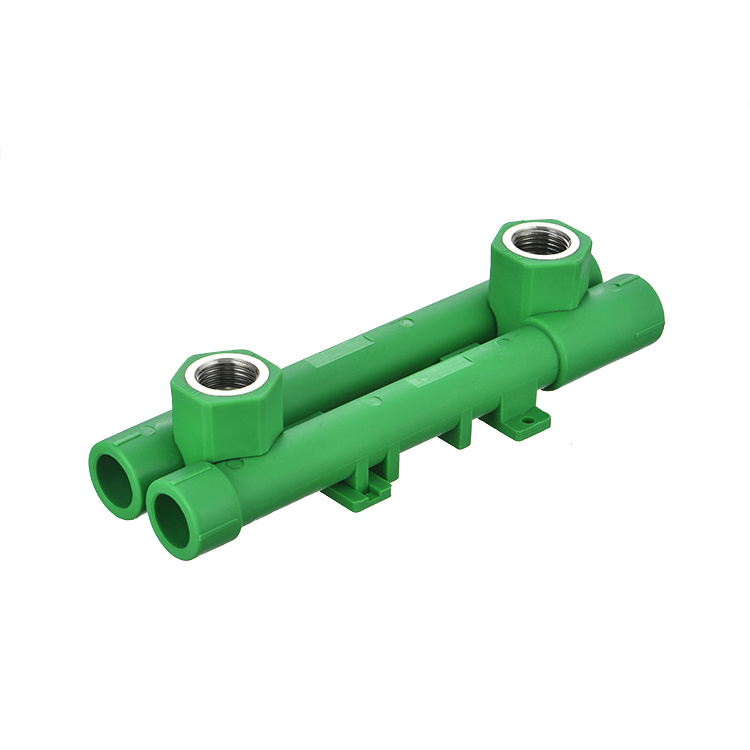
1. PPR to PPR Connections: PPR pipe fittings are most commonly used with PPR pipes, providing a seamless and reliable connection. Both the pipes and fittings are made from the same material, ensuring compatibility and tight joints.
2. Transition Fittings: Transition fittings are available to connect PPR pipe fittings to other types of piping materials. These fittings have different connection ends, allowing for a smooth transition between PPR and materials such as metal (e.g., copper or stainless steel) or PVC pipes.
3. Copper Pipes: PPR pipe fittings can be connected to copper pipes using appropriate transition fittings, such as threaded adapters or compression fittings. These fittings ensure a secure and leak-free connection between PPR and copper pipes.
4. PVC Pipes: PPR pipe fittings are not directly compatible with PVC (Polyvinyl Chloride) pipes due to the difference in material properties and dimensions. Transition fittings, typically made of brass or stainless steel, are used to connect PPR pipe fittings to PVC pipes.
5. PB Pipes: PPR pipe fittings are not compatible with PB (Polybutylene) pipes. PB pipes have different dimensions and material properties, making direct connections impossible. Transition fittings are necessary to connect PPR pipe fittings to PB pipes.
6. Metal Pipes: PPR pipe fittings can be connected to metal pipes, such as stainless steel or galvanized steel, using appropriate transition fittings. These fittings ensure a secure and reliable joint between PPR and metal pipes.
7. Compatibility Considerations: When connecting PPR pipe fittings to other piping materials, it is crucial to consider factors such as material compatibility, pipe dimensions, pressure and temperature ratings, and local building codes. Adhering to manufacturer guidelines and consulting with plumbing professionals will help ensure proper compatibility and reliable connections.
While PPR pipe fittings offer compatibility with various piping materials through the use of transition fittings, it is important to ensure that the connections meet industry standards and local regulations. Proper installation practices, appropriate transition fittings, and professional guidance will help achieve reliable and durable connections between PPR pipe fittings and other piping materials.