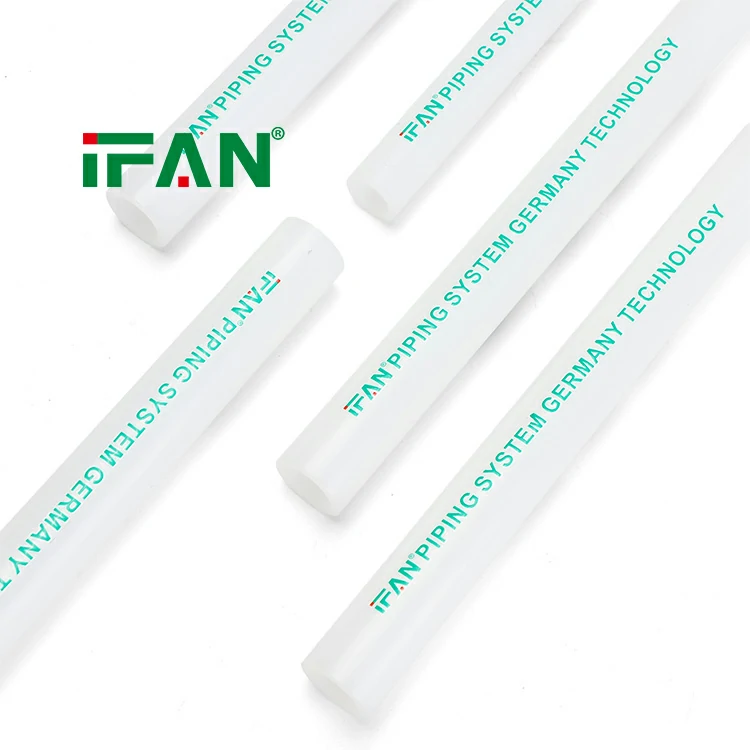
Can PPR pipe fittings be used in residential plumbing systems?
PPR (Polypropylene Random Copolymer) pipe fittings are suitable for use in residential plumbing systems. Here are some key points regarding the use of PPR pipe fittings in residential applications:
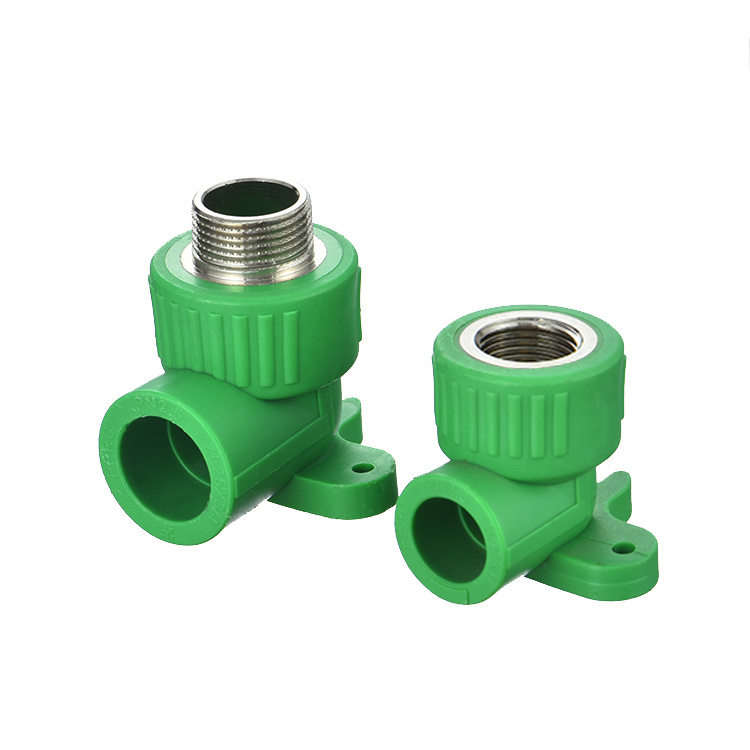
1. Water Supply: PPR pipe fittings are commonly used in residential plumbing systems for water supply applications. They can efficiently transport both hot and cold water throughout the house.
2. Potable Water: PPR pipe fittings are safe for potable water applications. They are non-toxic and do not release harmful substances into the water, ensuring the delivery of clean and safe drinking water in residential settings.
3. Heat Resistance: PPR pipe fittings have excellent heat resistance, making them suitable for hot water supply in bathrooms, kitchens, and other areas where hot water is required.
4. Chemical Resistance: PPR pipe fittings exhibit excellent chemical resistance, ensuring their durability and longevity in residential plumbing systems. They can withstand exposure to various chemicals typically found in household plumbing systems.
5. Noise Reduction: PPR pipe fittings help reduce noise transmission in residential plumbing systems. They dampen vibrations and noises caused by water flow, providing a quieter and more comfortable living environment.
6. Easy Installation: PPR pipe fittings are lightweight and easy to handle, making installation convenient for residential plumbing systems. They can be joined using socket fusion, electrofusion, or mechanical connections, allowing for quick and efficient installation.
7. Longevity: With proper installation and maintenance, PPR pipe fittings have a long lifespan in residential plumbing systems. Their resistance to corrosion, chemicals, and impact ensures reliable performance for many years.
PPR pipe fittings offer several advantages for residential plumbing systems, including their suitability for potable water, heat resistance, chemical resistance, noise reduction, easy installation, and long-term durability.