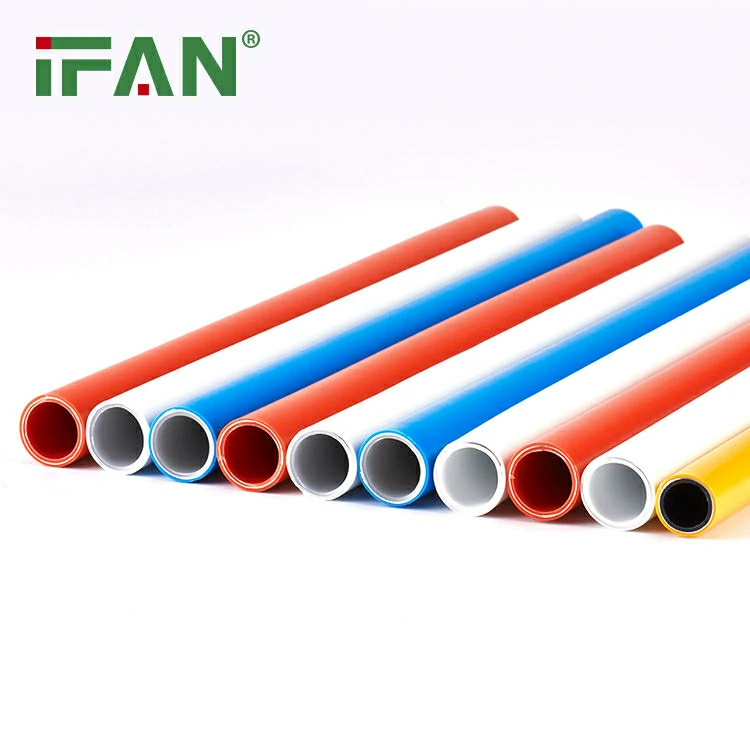
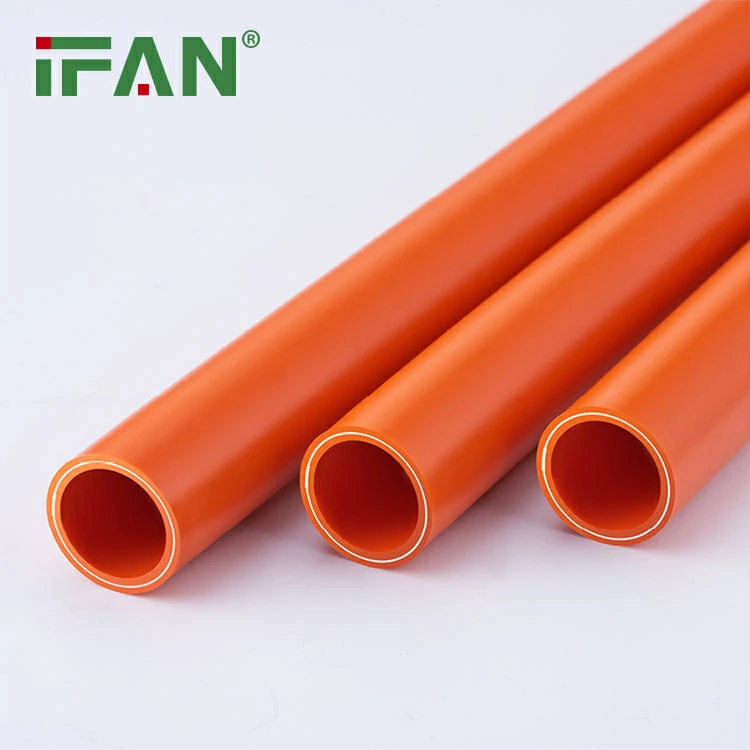
Tips for Selecting the Right Size of PPR Fittings
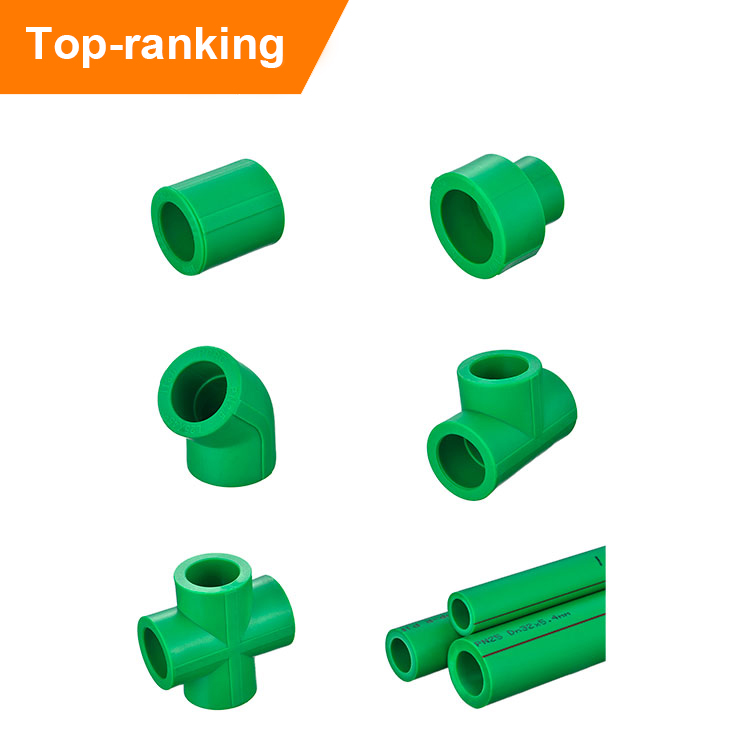
PPR fittings are becoming increasingly popular in plumbing projects due to their durability, flexibility, and ease of installation. However, choosing the right size of PPR fittings can be challenging, especially when you’re not sure what to look for. Fortunately, we have compiled some essential tips to help you select the right size of PPR fittings to ensure the success of your plumbing project.
Understand basic concepts
Before you start choosing PPR fittings, it is crucial to understand basic concepts like pipe diameter, inner and outer diameter, and wall thickness. The pipe diameter refers to the distance across the pipe, while the inner diameter is the distance across the inside of the pipe. On the other hand, the outer diameter is the distance across the outside of the pipe, while the wall thickness is the distance between the inner and outer diameters.
Know your project requirements
When selecting the right size of PPR fittings, it’s essential to consider the project requirements. Factors such as the expected water flow, the pressure, and the temperature will determine the size of fittings you need. Moreover, the size of fittings will also depend on the number of outlets and the distance between them. Careful consideration of such factors will help you choose the right size of PPR fittings for the job.
Check the dimensions
Before purchasing PPR fittings, ensure that you check the dimensions of your pipes to ensure that the fittings match. Different PPR fittings come in different sizes, so take accurate measurements and choose fittings that correspond to your pipe size. Oversized or undersized fittings can lead to leakages or other problems, which can be costly in the long-term.
Consider the materials
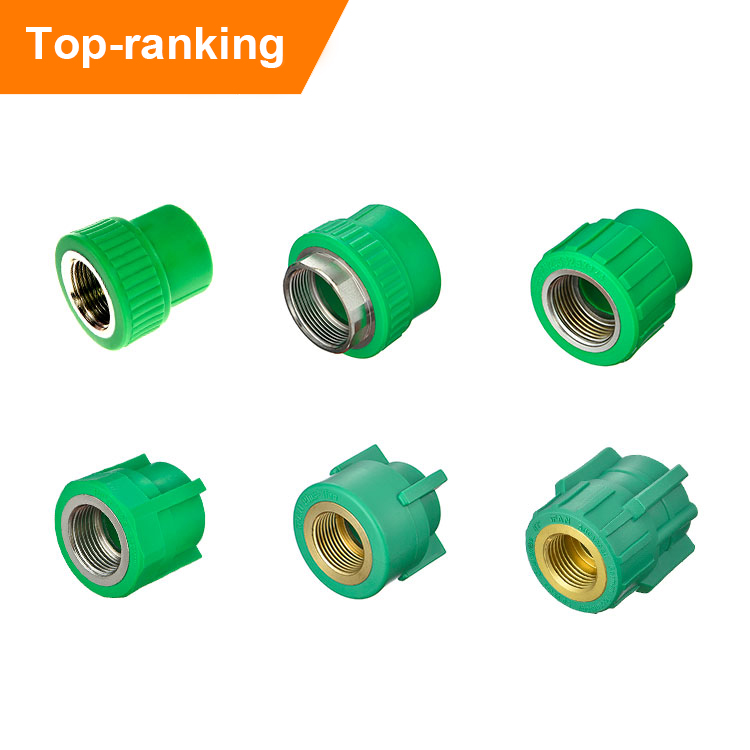
PPR fittings come in various materials such as brass, plastic, and steel. Different materials have different strengths and will affect the durability and robustness of the fittings. Choose fittings that will withstand the pressure and temperature of the fluids passing through them and are compatible with your pipes.
Consult a professional
If you’re unsure which size of PPR fittings to choose for your project, it’s best to consult a professional plumber. Professional plumbers have experience and knowledge in fitting selection, so they can advise you on the best fittings for your project. They can also help you avoid costly mistakes that may arise from using the wrong fittings.
In conclusion, selecting the right size of PPR fittings is essential for the success of your plumbing project. By understanding basic concepts, knowing your project requirements, checking dimensions, considering materials, and consulting a professional, you can choose the right PPR fittings that match your project requirements. Remember, taking the time to choose the right fittings can save you from costly mistakes and ensure that your plumbing project is successful.