Introduction
Brass fittings play a vital role in various industries, including plumbing, automotive, and manufacturing. With their excellent durability, corrosion resistance, and versatility, brass fittings have become a popular choice for connecting pipes and tubes. In this essential guide, we will explore the different types of brass fittings, their applications, and the benefits they offer.
- What are Brass Fittings?
Brass fittings are parts made from brass, an alloy primarily composed of copper and zinc. The zinc content in brass gives it enhanced strength and malleability, making it suitable for creating a wide range of fittings. These fittings are manufactured using different processes, such as casting, forging, and machining, to achieve the desired shape and functionality.
- Types of Brass Fittings
2.1. Compression Fittings
Compression fittings are widely used in plumbing applications and involve the compression of a ferrule against the fitting and the pipe to create a watertight seal. These fittings can be easily installed and disassembled, making them ideal for situations that require frequent maintenance or repairs.
Threaded Fittings
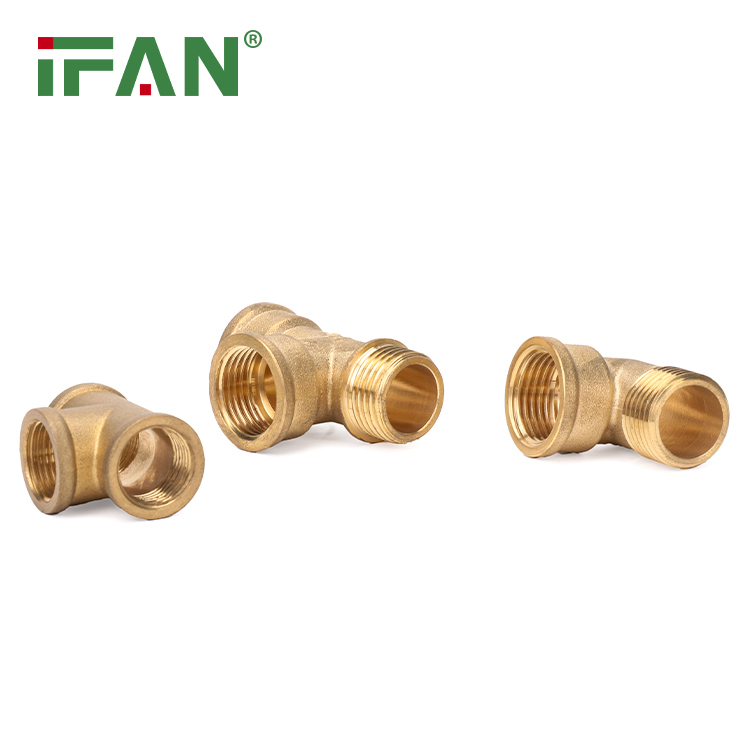
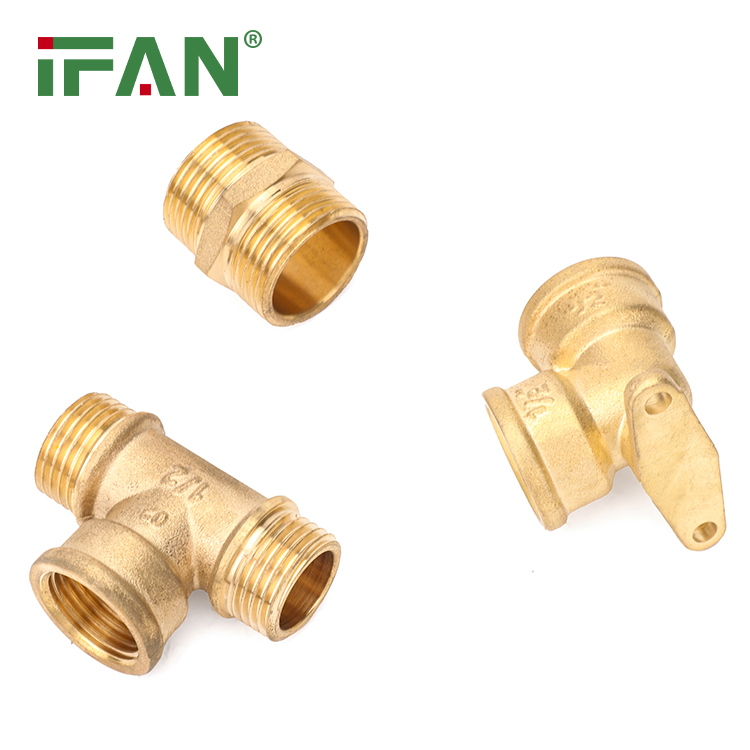
Threaded fittings have male or female threads that allow them to be screwed onto pipes or other fittings. They provide a secure connection and are commonly used in industries requiring a leak-resistant joint. Threaded fittings come in various types, including elbows, tees, unions, and adapters, offering flexibility in designing complex piping systems.
2.3. Push-to-Connect Fittings
Push-to-connect fittings, also known as quick-connect fittings, are designed for easy and efficient installation. These fittings feature a push-fit mechanism, eliminating the need for tools or soldering. By simply pushing the pipe into the fitting, a secure and leak-free connection is established. Push-to-connect fittings are commonly used in pneumatic and low-pressure hydraulic systems.
- Applications of Brass Fittings
Brass fittings find applications in a wide range of industries:
3.1. Plumbing
Brass fittings are extensively used in plumbing systems for connecting pipes, valves, faucets, and fixtures. Their excellent resistance to corrosion and ability to withstand high temperatures make them suitable for both residential and commercial plumbing applications.
3.2. Automotive
In the automotive industry, brass fittings are commonly used in fuel, brake, and hydraulic systems. Their ability to withstand high pressures and compatibility with various fluids make them a reliable choice for connecting components in vehicles.
3.3. Manufacturing
Brass fittings are vital components in manufacturing processes, including air compressors, pneumatic tools, and machinery. Their durability and resistance to vibration and impact make them ideal for withstanding harsh operating conditions.
- Benefits of Brass Fittings
4.1. Durability
Brass fittings are known for their exceptional durability, making them suitable for long-term use in demanding environments. They can withstand high pressures, temperature fluctuations, and corrosive substances without compromising their structural integrity.
4.2. Corrosion Resistance
The zinc content in brass provides excellent corrosion resistance, making brass fittings resistant to rust and degradation. This feature ensures that the fittings maintain their performance and functionality over an extended period.
4.3. Versatility
With a wide range of fittings available, brass fittings offer versatility in designing and customizing piping systems. They can be used with various pipe materials, including copper, plastic, and stainless steel, providing compatibility and adaptability.
Conclusion
Brass fittings are essential components in various industries, offering durability, corrosion resistance, and versatility. By understanding the different types of brass fittings, their applications, and the benefits they offer, one can make informed decisions when selecting fittings for different projects. Whether in plumbing, automotive, or manufacturing, brass fittings continue to be a reliable choice for connecting pipes and tubes, ensuring efficient and leak-free operations.