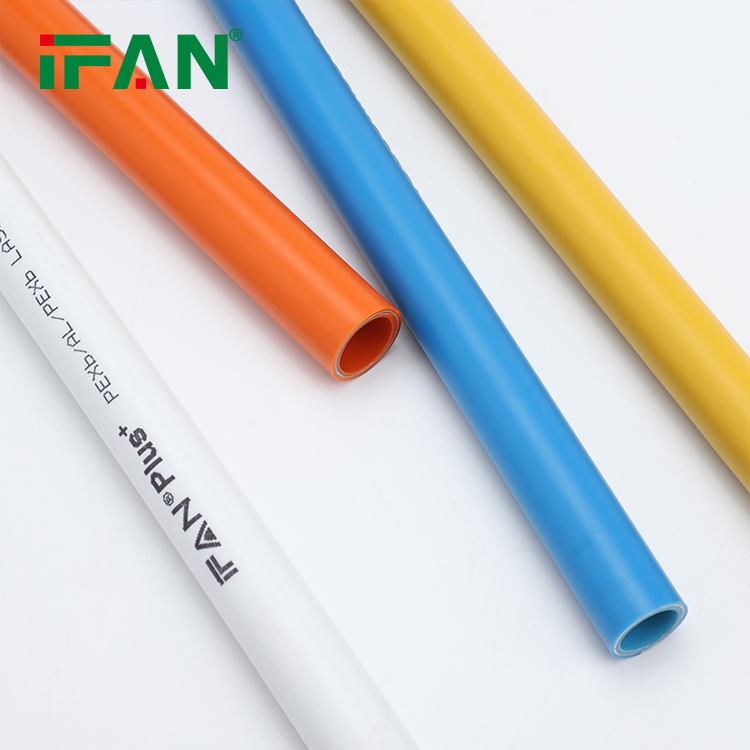
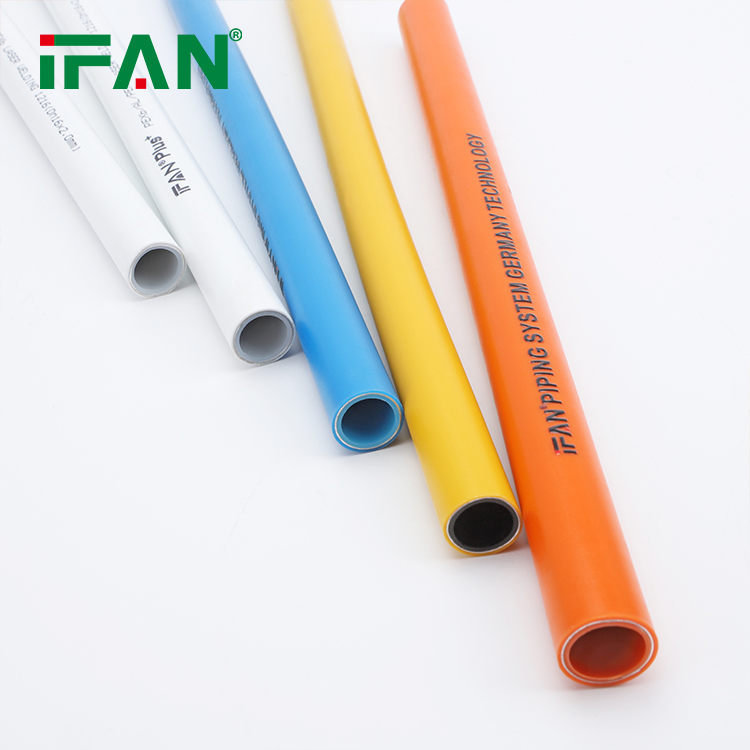
The Role of Brass Fittings in HVAC Installations
Introduction
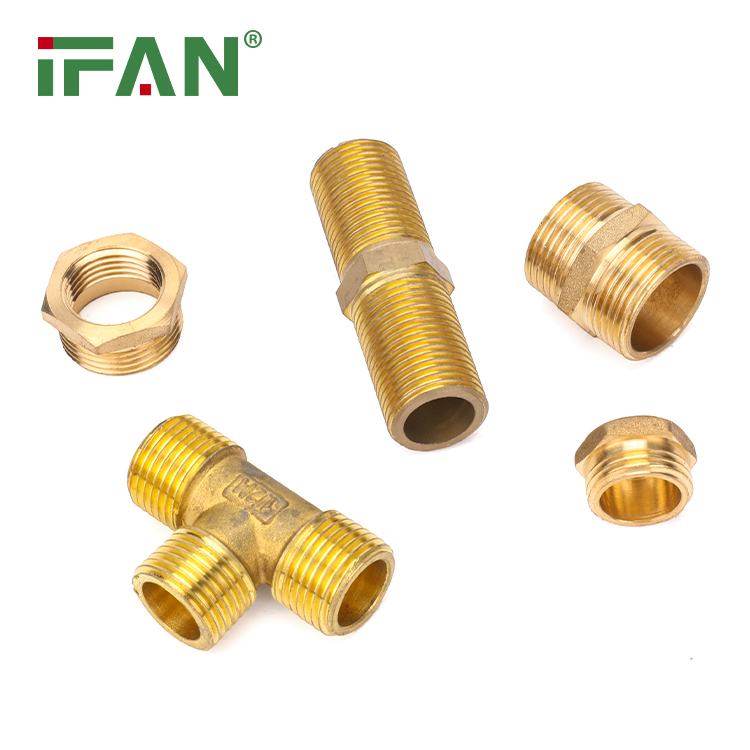
Brass fittings play an essential role in HVAC (Heating, Ventilation, and Air Conditioning) installations. These fittings, made from a combination of copper and zinc, offer several advantages that make them a popular choice in the HVAC industry. In this article, we will explore the various roles and benefits of brass fittings in HVAC systems.
- Durability and Strength
One of the primary reasons brass fittings are widely used in HVAC installations is their durability and strength. Brass is a corrosion-resistant material that can withstand high pressures and extreme temperatures. This makes it an ideal choice for connecting various components of an HVAC system, ensuring a long-lasting and reliable installation.
- Leak Resistance
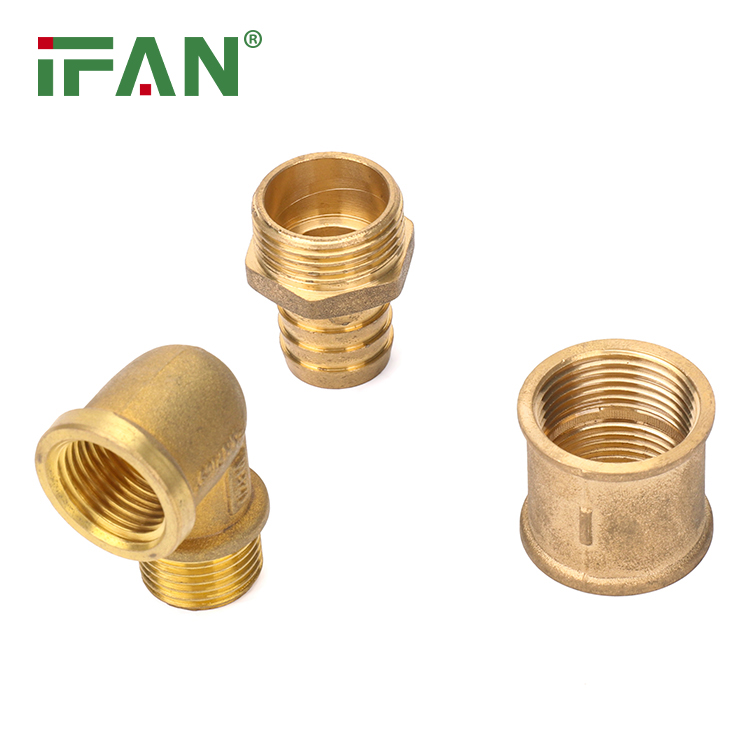
Leakage is a common concern in HVAC systems, as even a minor leak can significantly impact the system’s performance and energy efficiency. Brass fittings, with their tight seal and secure connections, minimize the risk of leaks. The threaded connections of brass fittings provide a robust and leak-resistant joint, ensuring that the HVAC system operates optimally without any loss of air or refrigerant.
- Compatibility
Another advantage of brass fittings is their compatibility with various HVAC system components. These fittings can be easily connected to copper pipes, valves, and other equipment commonly used in HVAC installations. The ability to interface with different materials makes brass fittings versatile and adaptable, simplifying the installation process and allowing for easy upgrades or modifications in the future.
- Resistance to Corrosion
In HVAC systems, exposure to moisture and different chemicals can lead to corrosion, which can compromise the integrity of the system. Brass fittings, being corrosion-resistant, offer reliable protection against rust and other forms of degradation. This corrosion resistance helps prolong the lifespan of the HVAC system and ensures efficient operation over an extended period.
- Ease of Installation and Maintenance
Brass fittings are known for their ease of installation. They can be easily soldered or threaded, providing a secure and hassle-free connection. The malleability of brass allows for effortless shaping and bending, enabling precise fitting in tight spaces. Furthermore, the maintenance of brass fittings is relatively straightforward, requiring minimal effort and cost.
Conclusion
Brass fittings are an indispensable component of HVAC installations due to their durability, leak resistance, compatibility, corrosion resistance, and ease of installation. These fittings not only provide a secure and reliable connection but also contribute to the overall efficiency and longevity of the HVAC system. With their numerous benefits, brass fittings continue to play a crucial role in the successful operation of HVAC systems worldwide.