Introduction: Exploring the World of Brass Fittings
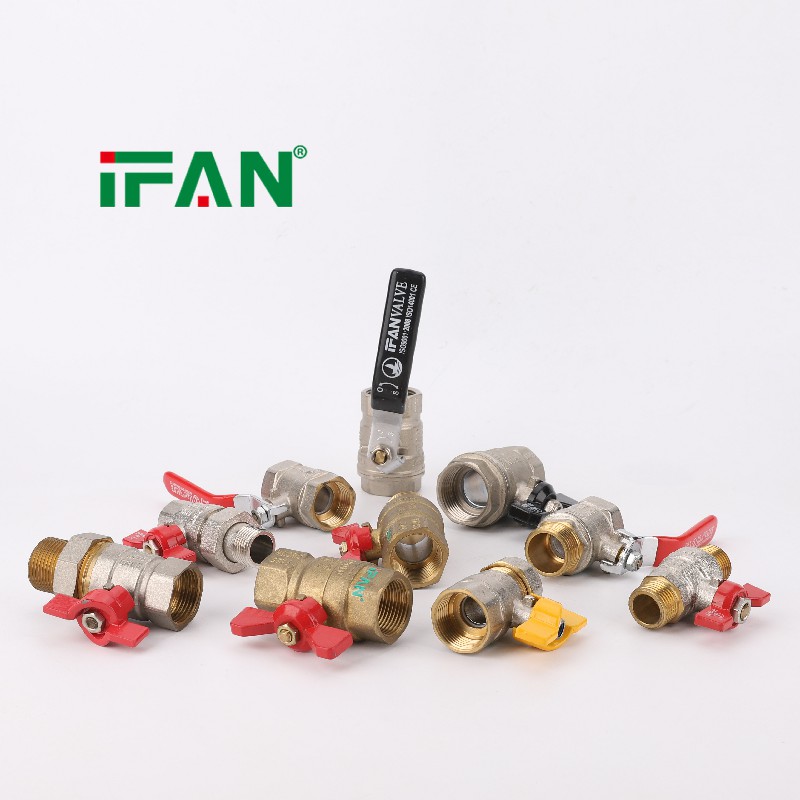
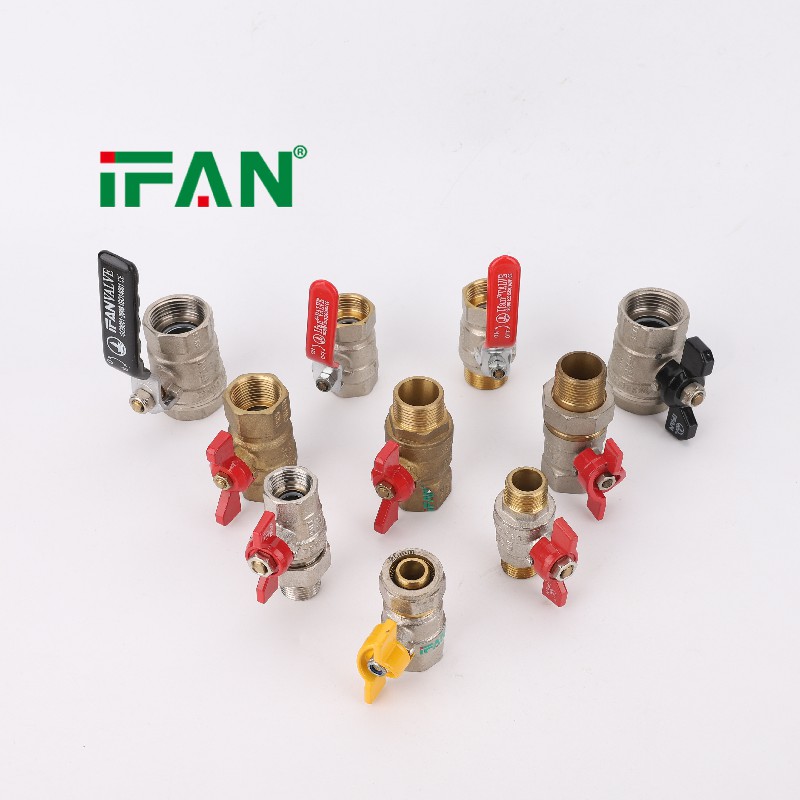
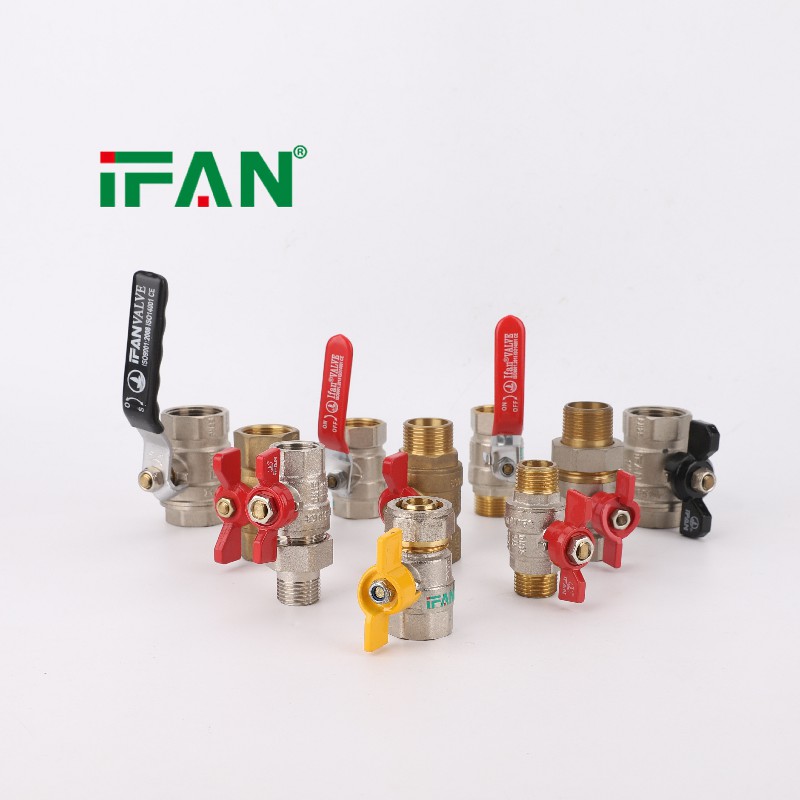
Brass fittings are an essential component in various industries, providing a reliable and durable solution for connecting pipes, tubes, and other plumbing systems. The world of brass fittings is vast, encompassing a wide range of products with diverse applications. In this article, we will explore the different types of brass fittings, their uses, and the advantages they offer.
Types of Brass Fittings
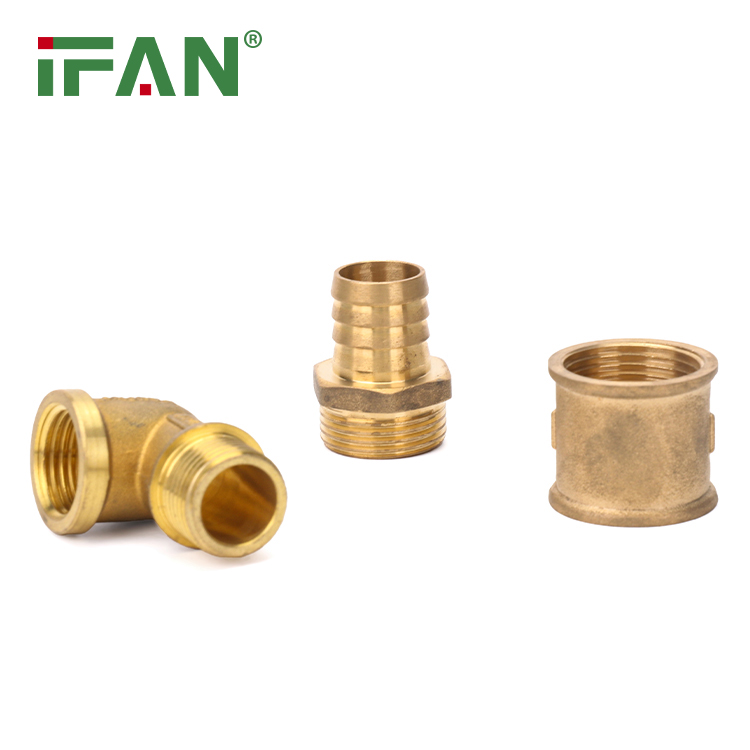
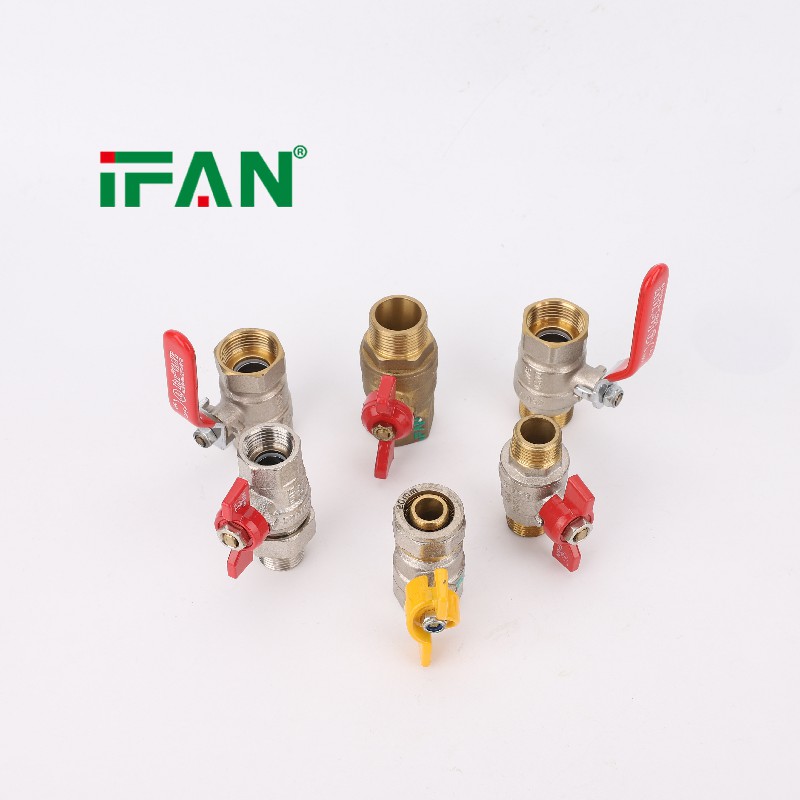
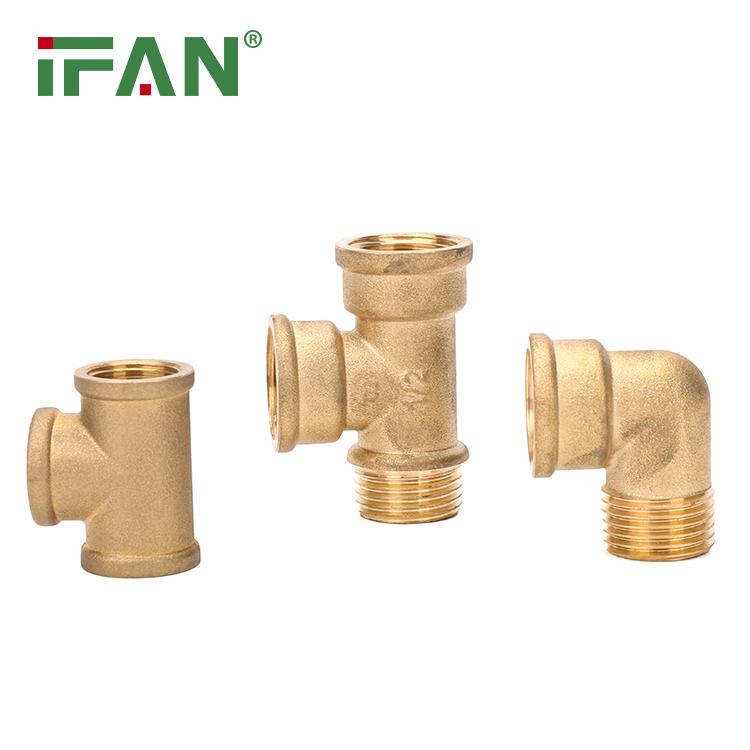
- Brass Pipe Fittings: These fittings are designed to join pipes together, allowing proper fluid flow and preventing leakage. They come in various configurations, including elbows, tees, couplings, and adapters, catering to different plumbing requirements. Brass pipe fittings are commonly used in residential, commercial, and industrial settings.
- Brass Compression Fittings: Compression fittings are widely used in plumbing systems to create tight and secure connections between pipes or tubes. Brass compression fittings utilize a compression ring or ferrule that compresses around the pipe when tightened, ensuring a leak-free joint. These fittings are popular due to their ease of installation and versatility.
- Brass Push-to-Connect Fittings: Push-to-connect fittings provide a quick and convenient way to connect pipes without the need for any tools or specialized skills. These fittings feature a push-in mechanism that securely holds the pipe in place, creating a reliable seal. Brass push-to-connect fittings are widely used in applications where fast and easy installation is required.
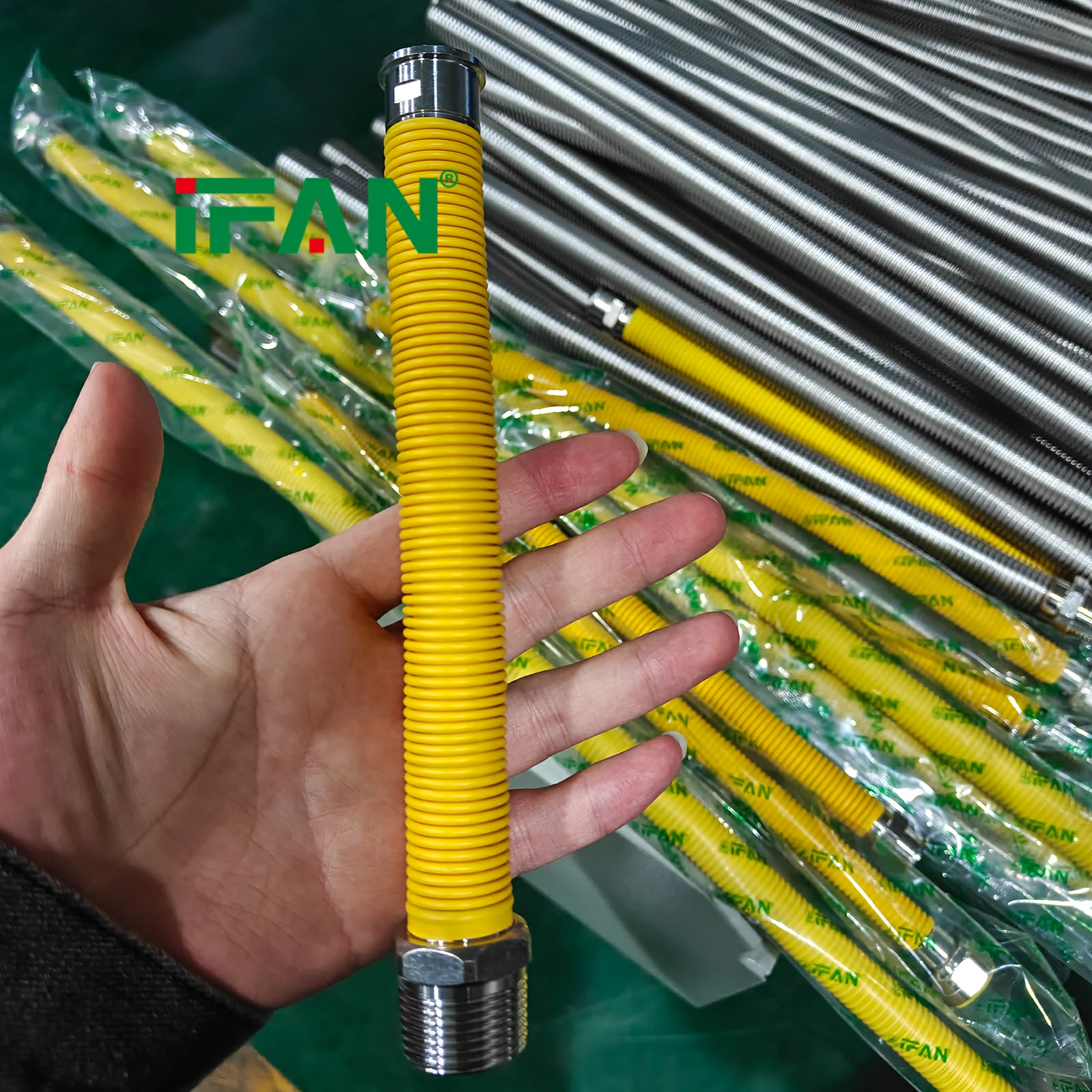
- Brass Flare Fittings: Flare fittings are commonly used in gas systems, providing a secure connection between pipes and components. Brass flare fittings consist of a threaded male end and a flared female end, which creates a tight seal when tightened with a nut. These fittings are known for their resistance to vibration and high-pressure environments.
Advantages of Brass Fittings
- Durability: Brass fittings are highly durable and resistant to corrosion, making them suitable for both indoor and outdoor applications. They can withstand high temperatures and pressures, ensuring long-lasting performance.
- Versatility: Brass fittings are compatible with various types of pipes, including copper, PVC, and PEX. This versatility allows them to be used in a wide range of plumbing systems, offering flexibility in installation.
- Aesthetic Appeal: Brass fittings have an attractive golden appearance, adding a touch of elegance to any plumbing system. They are often preferred in applications where aesthetics play a role.
- Excellent Conduction: Brass is an excellent conductor of heat and electricity, making it ideal for applications that require efficient heat transfer or electrical conductivity.
In conclusion, the world of brass fittings offers a diverse range of products with multiple applications. From pipe fittings to compression fittings and push-to-connect fittings, brass fittings provide durability, versatility, and aesthetic appeal. Whether it’s in residential, commercial, or industrial settings, brass fittings continue to be a reliable choice for connecting plumbing systems efficiently and effectively.