Introduction to Brass Fittings
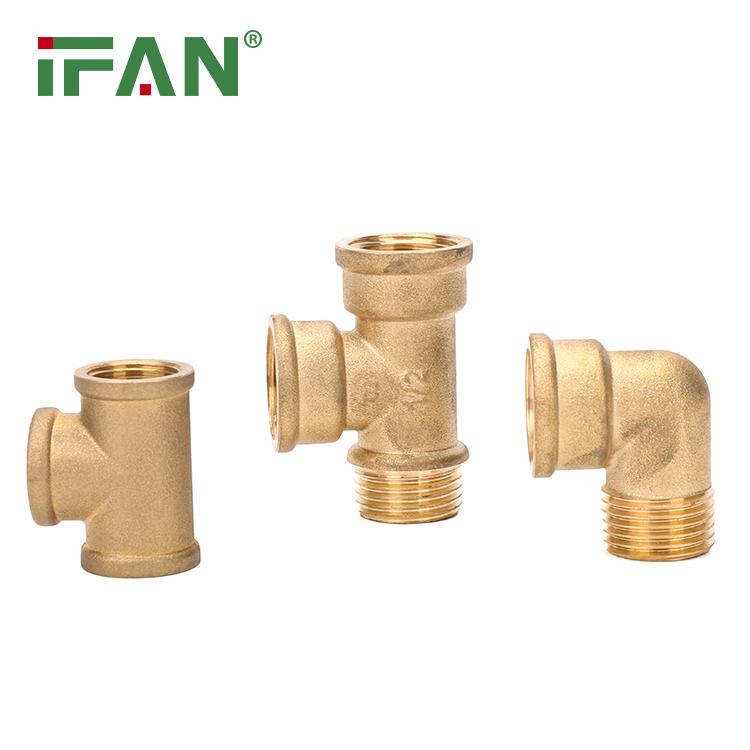
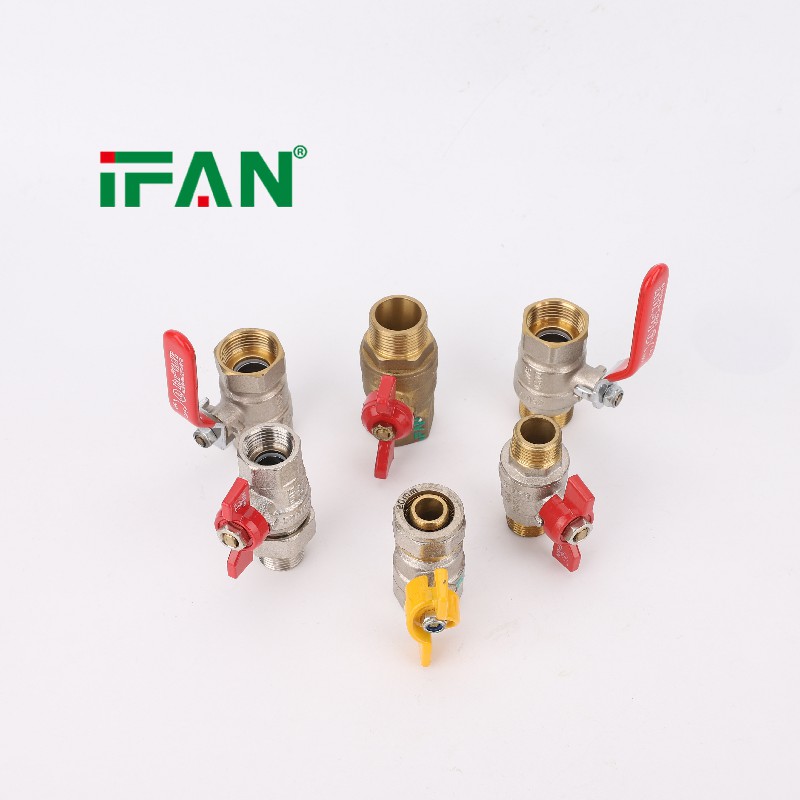
Brass fittings are essential components used in various industries and applications due to their unique properties and versatility. Made from a combination of copper and zinc, brass fittings offer excellent corrosion resistance, durability, and ease of installation. In this article, we will explore some essential facts about brass fittings, providing insights into their features, benefits, and applications.
Composition and Manufacturing
Brass fittings are primarily composed of copper and zinc, with copper being the main element. The inclusion of zinc in varying proportions gives brass its distinct properties. The manufacturing process involves melting and alloying copper and zinc together, followed by shaping and machining to create the desired fitting shape. This process allows for customization and the production of fittings in various sizes and configurations.
Corrosion Resistance
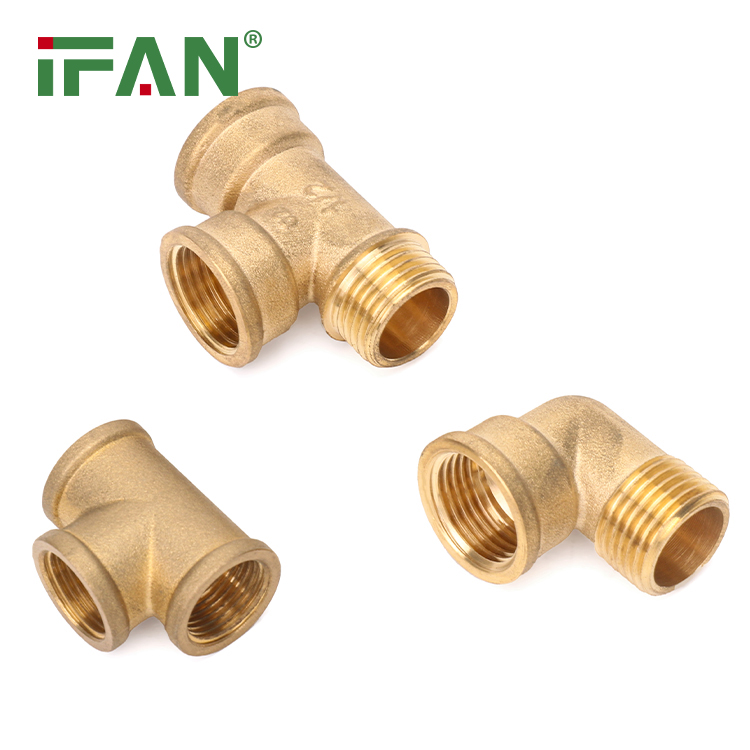
One of the key advantages of brass fittings is their exceptional resistance to corrosion. The copper content in brass forms a protective oxide layer on the surface, preventing the fittings from rusting or corroding when exposed to moisture or harsh environments. This corrosion resistance makes brass fittings suitable for both indoor and outdoor applications, including plumbing, gas distribution, and marine industries.
Durability and Strength
Brass fittings are known for their durability and strength. The inclusion of zinc enhances the overall strength of the fittings, making them capable of withstanding high pressures and temperature fluctuations. This durability ensures that brass fittings have a long service life, reducing maintenance and replacement costs.
Flexibility and Ease of Installation
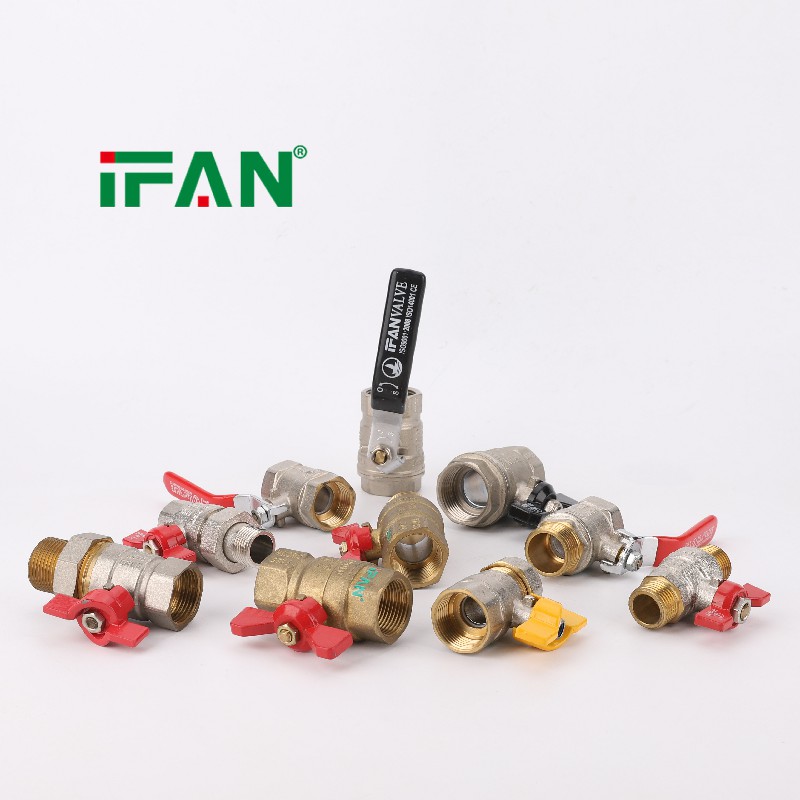
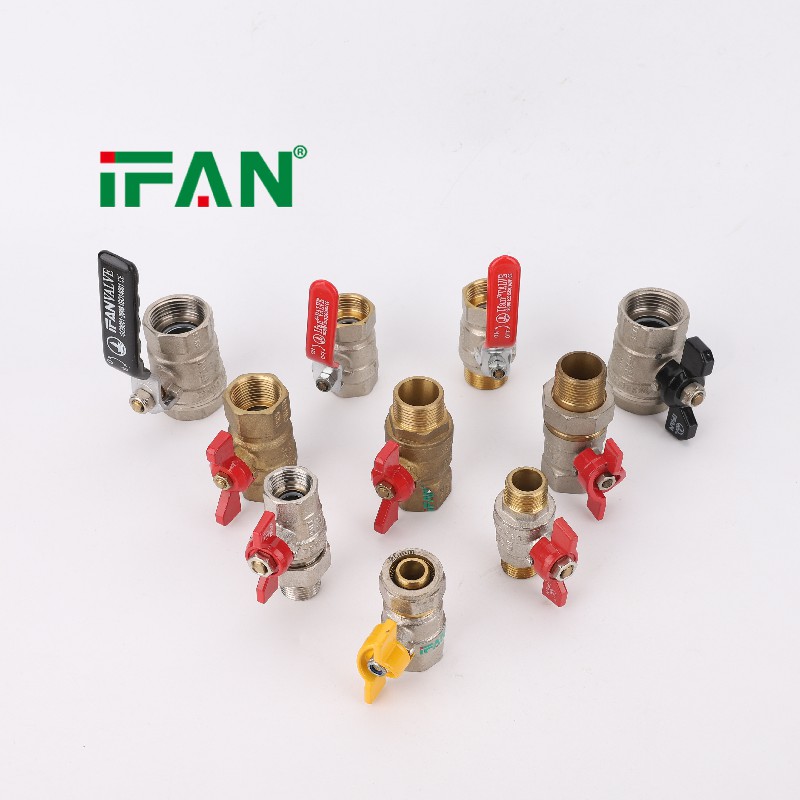
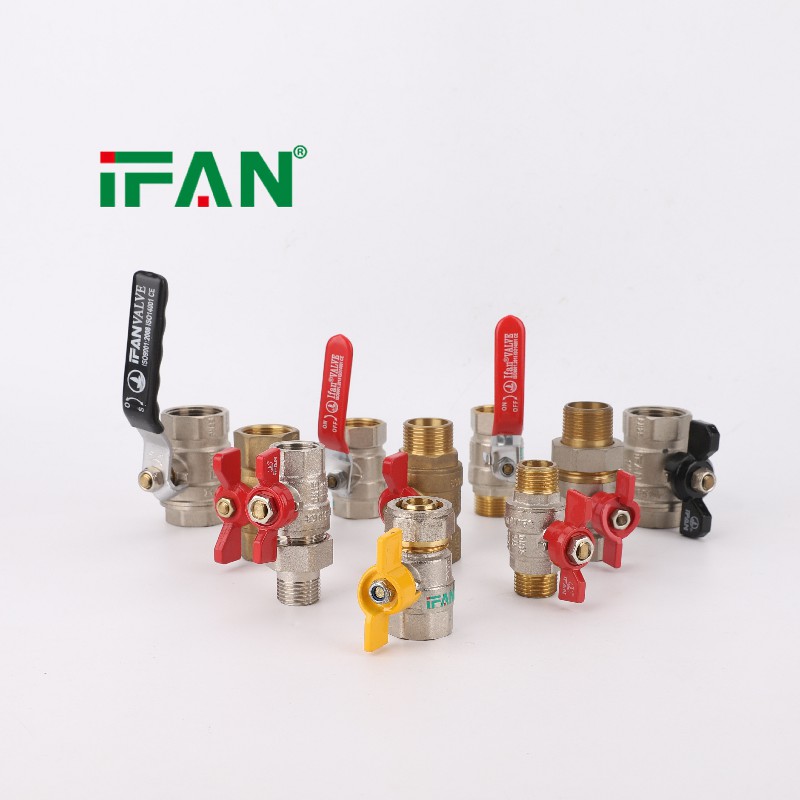
Another significant advantage of brass fittings is their flexibility and ease of installation. Brass is a malleable material, allowing for easy shaping and customization to meet specific requirements. The fittings can be easily installed using various connection methods, including compression fittings, threaded fittings, and push-to-connect fittings. This versatility makes brass fittings suitable for a wide range of applications, from plumbing and HVAC systems to industrial equipment.
Wide Range of Applications
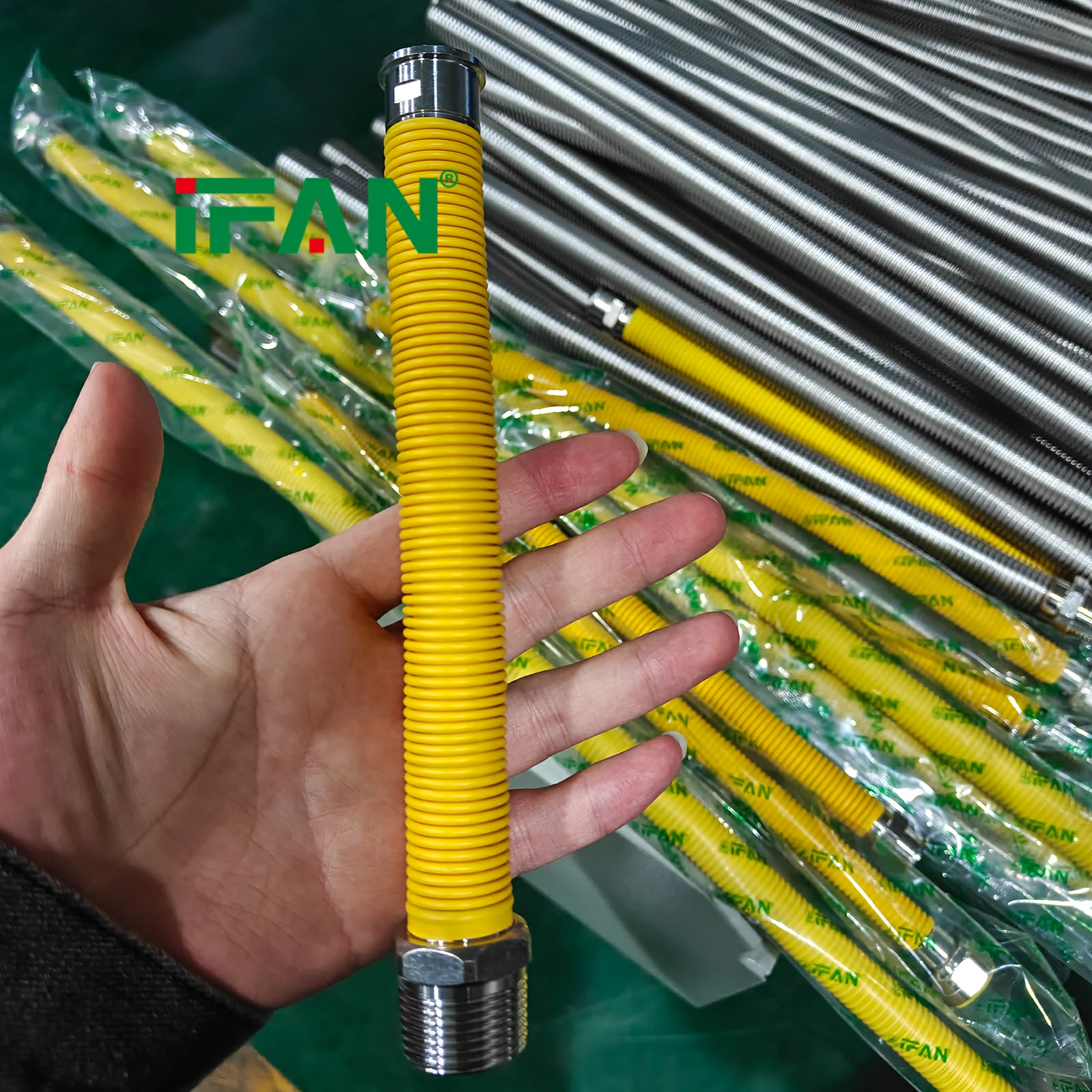
Brass fittings find applications in numerous industries and sectors. They are extensively used in plumbing systems to connect pipes, valves, and fixtures, ensuring leak-free and reliable connections. Additionally, brass fittings are commonly used in gas distribution networks due to their high resistance to corrosion and compatibility with various gases. These fittings are also employed in industrial applications, such as hydraulic systems and pneumatic equipment, where their strength and durability are essential.
Conclusion
Brass fittings play a vital role in various industries, offering a combination of corrosion resistance, durability, and ease of installation. With their versatile nature and wide range of applications, brass fittings have become indispensable components for plumbing, gas distribution, and industrial systems. Understanding these essential facts about brass fittings helps in appreciating their significance and making informed decisions when selecting fittings for specific requirements.