The Intricacies of Brass Fittings Design

The Intricacies of Brass Fittings Design

Brass fittings are essential components that are widely used in various industries such as plumbing, automotive, and construction. These fittings are known for their durability, corrosion resistance, and ease of installation. However, designing brass fittings is not as simple as it may seem. It requires precise calculations and attention to detail.

Material Selection

The first step in designing brass fittings is selecting the appropriate material. Brass is an alloy of copper and zinc, and different proportions of these elements can affect the properties of the final product. For instance, adding more zinc can improve the strength and machinability of the brass, but may decrease corrosion resistance. Therefore, the designer must consider the specific requirements of the application and choose the brass alloy accordingly
Geometry and Dimensions

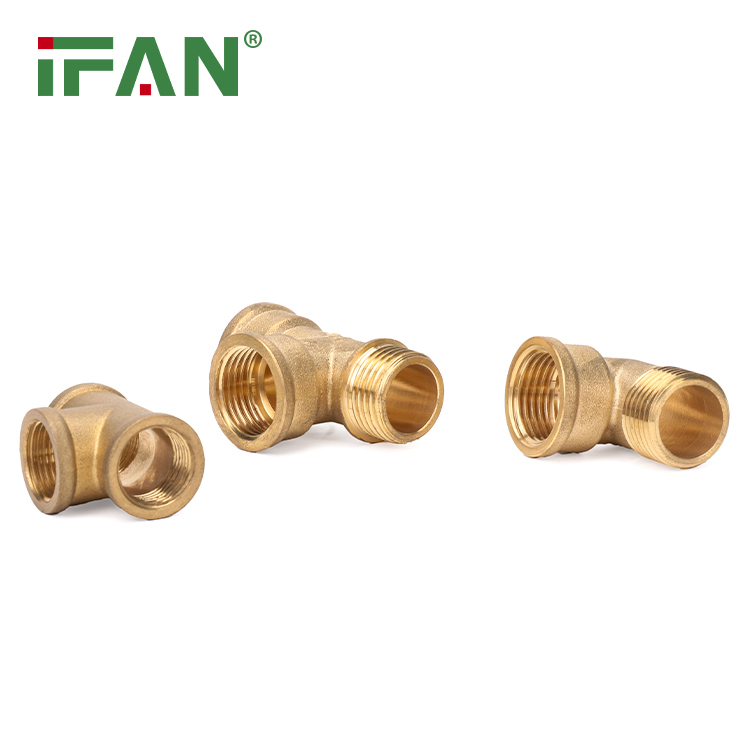
Once the material is selected, the designer must determine the geometry and dimensions of the fitting. This involves analyzing the flow characteristics of the fluid or gas that will pass through the fitting, as well as the mating components. The designer must ensure that the fitting has the required strength and flexibility to withstand the loads and stresses it will experience during installation and use.

Manufacturing Processes

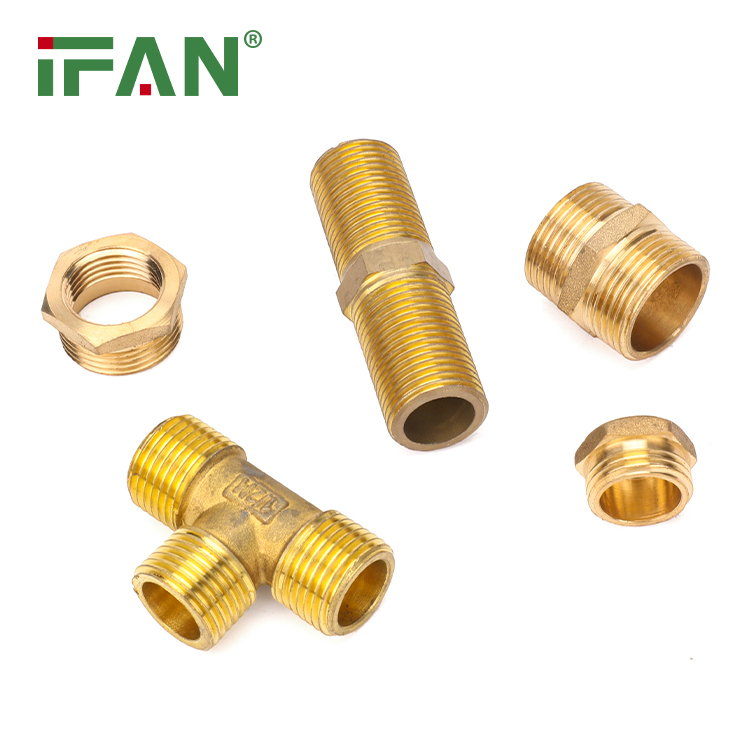
After the design is completed, the fitting must be manufactured. The method of manufacturing depends on the complexity of the design and the quantity required. For instance, simple fittings such as nipples and couplings can be made through machining, whereas more complex designs such as elbows and tees require casting or forging. The designer must also consider the cost-effectiveness of the manufacturing process and the availability of the required machinery and expertise.

Quality Control

Finally, the designer must ensure that the manufactured fittings meet the required standards and specifications. This involves testing the fittings for leaks, pressure resistance, and dimensions. The designer must also consider the environmental impact of the fittings and ensure that they are compliant with applicable regulations.

In conclusion, designing brass fittings is a complex and challenging task that requires a deep understanding of materials, geometry, manufacturing processes, and quality control. However, with careful consideration and attention to detail, designers can create fittings that meet the requirements of a wide range of applications and provide durable and reliable performance.
Share:

Facebook
Twitter
Pinterest
LinkedIn

Leave a Comment

Your email address will not be published. Required fields are marked *

On Key

Related Posts

PEX Compression Fittings

PEX Compression Fittings for Residential Heating Systems

Residential heating systems need reliable connections to maintain stable water flow and prevent leaks. PEX compression fittings are a practical choice for many modern heating installations. They provide secure connections without requiring complex tools or special welding equipment. PEX compression fittings are commonly used with PEX tubing in radiant floor heating, baseboard heating, and hydronic

PEX Compression Fittings

Professional PEX Compression Fittings for Water Distribution

PEX piping has become a popular choice for modern water distribution systems. It is flexible, durable, and easy to install. However, the quality of the fittings is just as important as the pipe itself. Professional PEX compression fittings provide a practical connection method for residential, commercial, and light industrial plumbing. They create secure connections without

PEX Compression Fittings

Lead Free PEX Compression Fittings for Drinking Water

When choosing plumbing components for drinking water systems, material safety is just as important as connection performance. Lead free PEX compression fittings are designed to provide a reliable connection while supporting safer water delivery. PEX plumbing has become popular in residential, commercial, and light industrial applications. It is flexible, easy to install, and suitable for

PEX Compression Fittings

PEX Compression Fittings for Radiant Heating Pipes

Radiant heating systems provide comfortable indoor warmth by distributing heat through pipes installed beneath floors. PEX pipes are widely used in these systems because they are flexible, durable, and resistant to temperature changes. However, reliable pipe connections are just as important as the pipe itself. PEX compression fittings offer a practical connection method for radiant

PEX Compression Fittings

PEX Compression Fittings for Boiler Heating Systems

Boiler heating systems need reliable pipe connections to maintain steady water flow and safe operation. PEX compression fittings offer a practical connection method for many residential and commercial heating installations. They are designed to connect PEX pipes without complicated welding or specialized heat-fusion equipment. When used correctly, PEX compression fittings can provide secure connections for

Get Free Quote NOW