Introduction
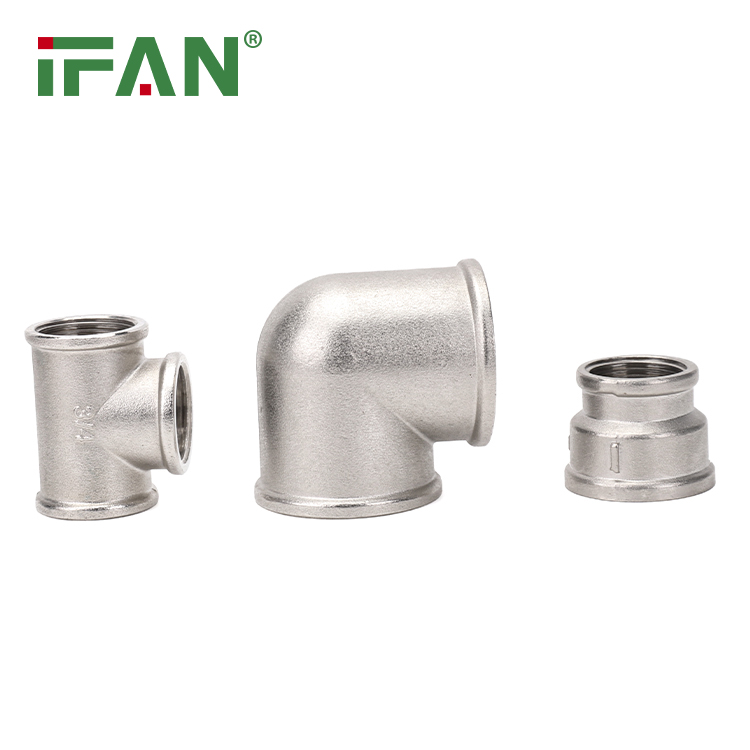
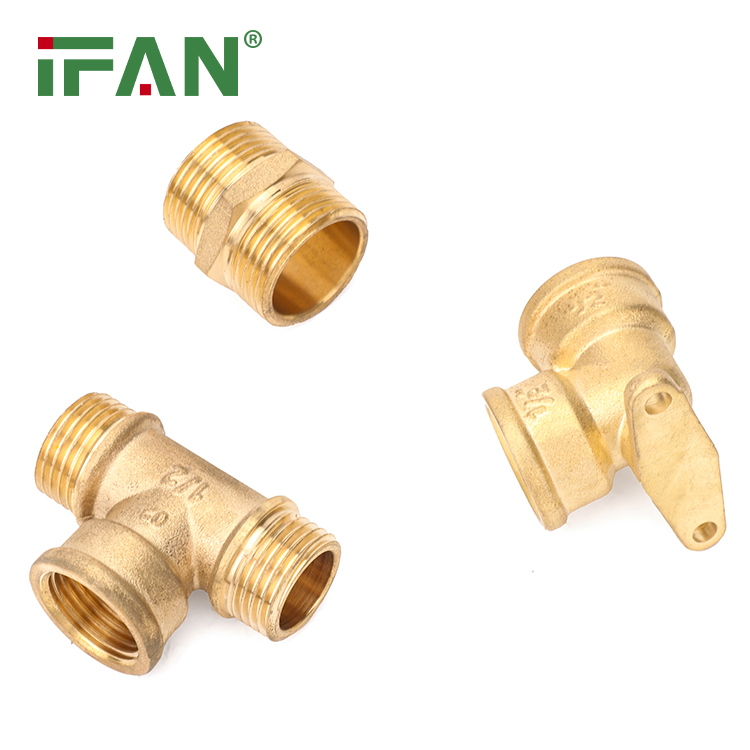
Brass fittings are an essential component in various plumbing systems, from industrial settings to residential plumbing applications. Brass fittings offer superior durability, corrosion resistance and malleability. They are easy to install and can withstand high pressure and temperature. In this article, we will take a closer look at how brass fittings are produced, how they are utilized and installed.
Production process
The production of brass fittings begins with the creation of brass alloys. These alloys are created by combining copper and zinc in various ratios. The brass is then melted into a liquid state and cast into molds. The molds are then cooled and polished to create the desired shape and finish of the fitting.
Next, the fittings are subjected to stringent quality control checks to ensure they meet the required standards of strength and durability. The fittings are then coated with a protective layer to prevent corrosion during transportation and storage.
Application
Brass fittings are used in a variety of plumbing applications ranging from water and gas distribution systems to industrial plumbing systems. They are particularly useful in situations where the plumbing system requires a high degree of pressure, temperature or corrosion resistance.
Brass fittings are available in a range of sizes, shapes, and configurations to fit the specific requirements of the plumbing system. They can be threaded, flanged, or welded to allow for easy installation and maintenance.
Installation
One of the advantages of brass fittings is that they are relatively easy to install and maintain. The fittings can be incorporated into existing plumbing systems or used to create new ones. However, it is essential to follow the manufacturer’s instructions and adhere to specific installation guidelines to ensure optimal performance and safety.
Installation of brass fittings typically involves cutting and measuring the fitting to size, cleaning the ends of the pipe, applying a sealant or thread seal tape to prevent leaks, and tightening the fittings in place using the appropriate tool.
Conclusion
In conclusion, brass fittings are a reliable and durable component in plumbing systems that offer various benefits. The production process involves the creation of brass alloys, casting of molds, quality control checks, and coating with protective layers. Brass fittings are used in various plumbing applications due to their resistance to corrosion, temperature, and pressure. Finally, the installation of brass fittings is straightforward and can be accomplished by following specific installation guidelines. Overall, brass fittings are an integral part of the plumbing industry, providing durable and dependable solutions for plumbing systems.
Next, the fittings are subjected to stringent quality control checks to ensure they meet the required standards of strength and durability. The fittings are then coated with a protective layer to prevent corrosion during transportation and storage.
Application
Brass fittings are used in a variety of plumbing applications ranging from water and gas distribution systems to industrial plumbing systems. They are particularly useful in situations where the plumbing system requires a high degree of pressure, temperature or corrosion resistance.
Brass fittings are available in a range of sizes, shapes, and configurations to fit the specific requirements of the plumbing system. They can be threaded, flanged, or welded to allow for easy installation and maintenance.
Installation
One of the advantages of brass fittings is that they are relatively easy to install and maintain. The fittings can be incorporated into existing plumbing systems or used to create new ones. However, it is essential to follow the manufacturer’s instructions and adhere to specific installation guidelines to ensure optimal performance and safety.
Installation of brass fittings typically involves cutting and measuring the fitting to size, cleaning the ends of the pipe, applying a sealant or thread seal tape to prevent leaks, and tightening the fittings in place using the appropriate tool.
Conclusion
In conclusion, brass fittings are a reliable and durable component in plumbing systems that offer various benefits. The production process involves the creation of brass alloys, casting of molds, quality control checks, and coating with protective layers. Brass fittings are used in various plumbing applications due to their resistance to corrosion, temperature, and pressure. Finally, the installation of brass fittings is straightforward and can be accomplished by following specific installation guidelines. Overall, brass fittings are an integral part of the plumbing industry, providing durable and dependable solutions for plumbing systems.