PPR Fittings: The Solution to Common Plumbing Problems
Introduction
Plumbing problems are a common occurrence in households, commercial buildings, and industrial facilities. They range from leaky pipes, frozen pipes, clogged drains, to faulty valves. These plumbing issues can be quite frustrating, inconvenient, and expensive to fix. Fortunately, the use of PPR fittings offers a solution to these common plumbing problems.
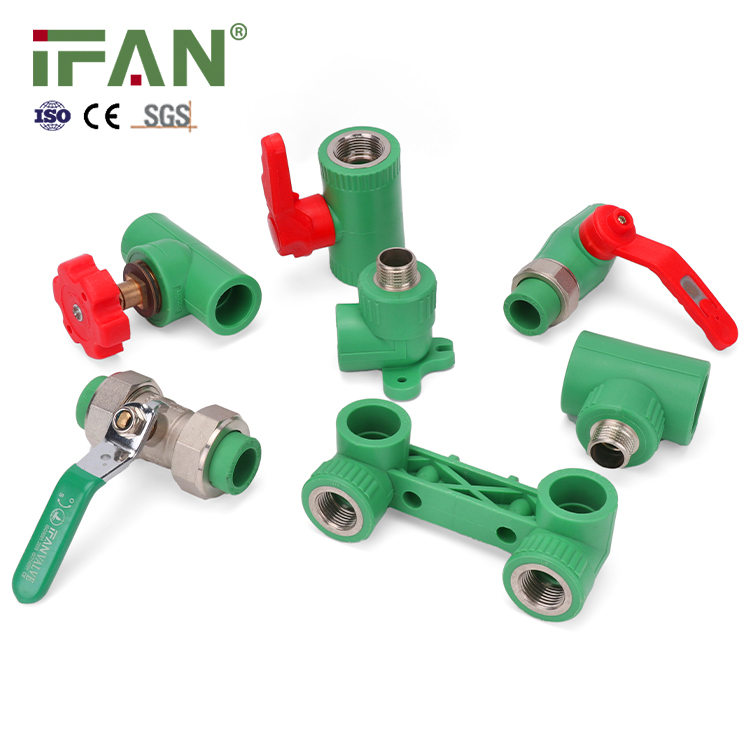
What are PPR Fittings?
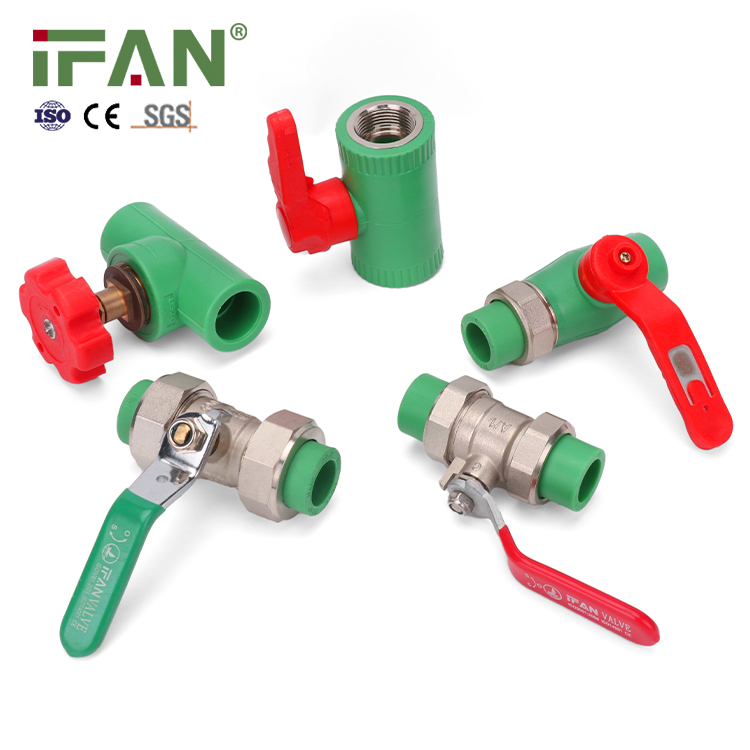
PPR (polypropylene random copolymer) fittings are a type of thermoplastic pipe fitting. They are made of high-quality raw materials that are chemically inert, corrosion-resistant, and durable. PPR fittings are lightweight, easy to install, and can be used for both hot and cold water applications.
The Benefits of Using PPR Fittings
- Leak-free connections
PPR fittings have a unique fusion welding system that creates a seamless, leak-free connection between pipes. This eliminates the need for messy, time-consuming, and costly pipe jointing methods such as soldering, brazing, or threading.
- Chemical and corrosion resistance
PPR fittings are resistant to a wide range of chemicals, acids, and alkalis. This makes them ideal for use in aggressive industrial environments, hospitals, laboratories, and chemical processing plants. PPR fittings are also corrosion-resistant, which prevents pipe decay, blockages, and leaks.
- High-temperature resistance
PPR fittings can withstand high temperatures of up to 95 degrees Celsius. This makes them ideal for use in hot water systems, central heating systems, and other high-temperature applications.
- Easy to install and maintain
PPR fittings are lightweight, making them easy to transport, handle, and install. They also require very little maintenance, which can save you time and money in the long run.
Conclusion
PPR fittings provide a solid, reliable, and cost-effective solution to common plumbing problems. They offer superior performance, durability, and ease of installation. Whether you’re working on a residential, commercial, or industrial plumbing system, PPR fittings are the ideal choice for all your plumbing needs.