Say Goodbye to Leaks and Rust with PPR Fittings
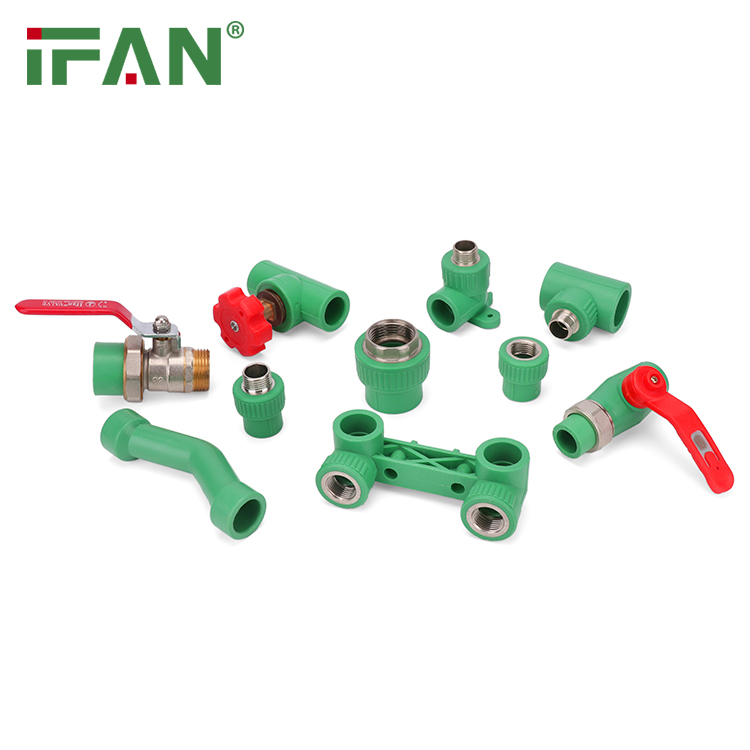
If you’re tired of constantly dealing with plumbing leaks, rusty pipes, and other related headaches, switching to PPR fittings could be the answer you’ve been searching for. PPR stands for polypropylene random copolymer, a type of plastic that offers many benefits over traditional metal fittings.
One of the biggest advantages of PPR fittings is their resistance to leaks. Unlike metal pipes and fittings, which can corrode over time and develop tiny holes or cracks, PPR fittings are much more durable and long-lasting. They’re also resistant to factors like temperature changes, chemical exposure, and UV rays, making them a great choice for a variety of different environments and purposes.
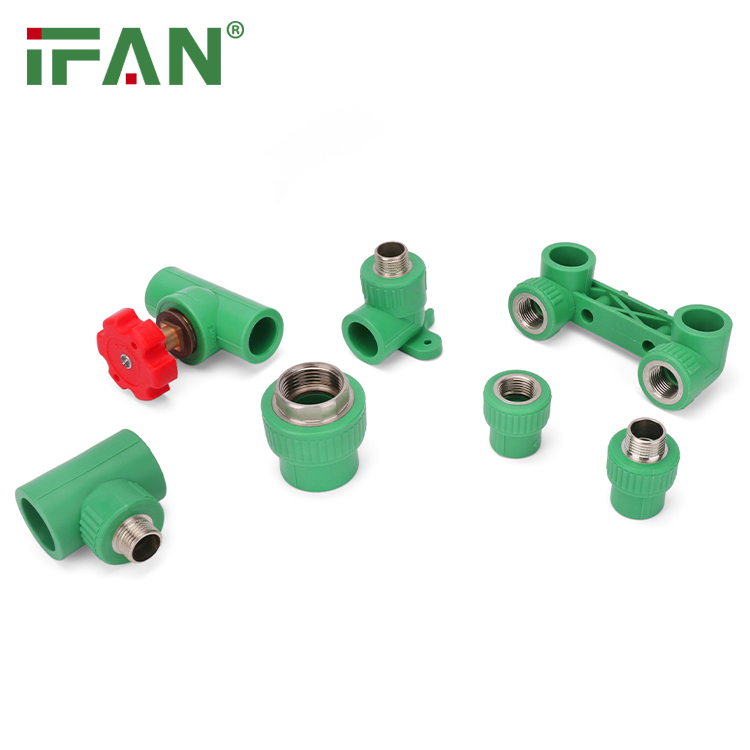
Another key benefit of PPR fittings is their resistance to rust. If you’re using metal pipes and fittings in a wet or damp environment, it’s only a matter of time before they start to rust and decay. This not only looks unsightly, but can also lead to more serious problems like structural damage or contamination of your water supply. With PPR fittings, you don’t have to worry about rust or corrosion – you can enjoy clean, clear, and reliable water for years to come.
PPR fittings are also more eco-friendly than traditional metal fittings. Because they’re made from durable, non-toxic plastic materials, they’re much less likely to pollute or cause harm to the environment. They’re also recyclable, which means that you can dispose of them responsibly and help reduce your carbon footprint.
Finally, PPR fittings are incredibly easy to install and maintain. They can be easily cut to size and joined together using standard fittings and tools, which means you don’t need any special skills or training to start using them. And because they’re so resistant to leaks and rust, you won’t have to spend as much time or money on repairs or replacements in the future.
Overall, PPR fittings are the perfect choice for anyone who wants to say goodbye to plumbing leaks, rusty pipes, and related problems once and for all. Whether you’re a homeowner, a business owner, or a contractor, switching to PPR fittings is a smart investment that will pay off in terms of durability, reliability, and peace of mind. So why wait? Start exploring the many benefits of PPR fittings today!