The Cost-Effective Solution: White PPR Fittings for Plumbing Systems
Introduction
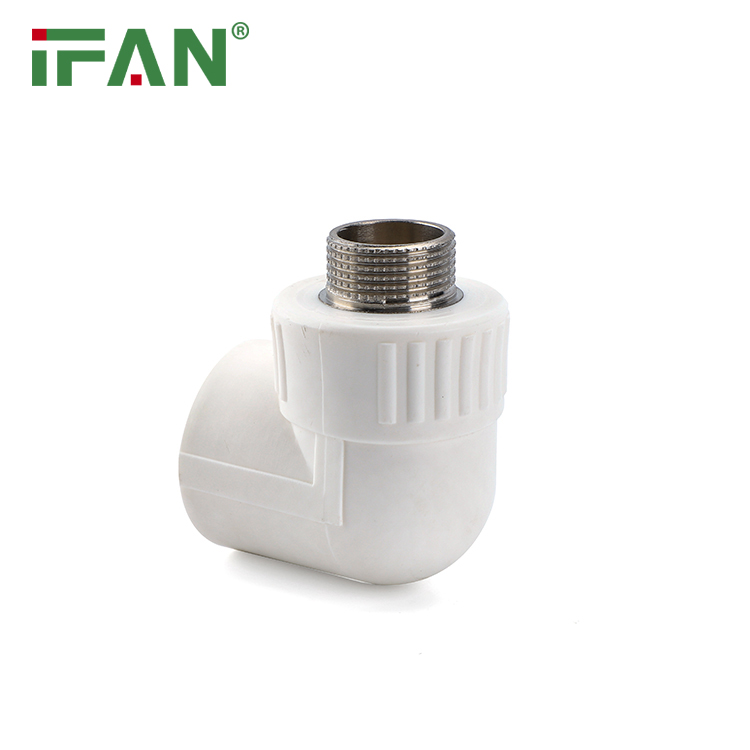
White PPR (polypropylene random copolymer) fittings have gained prominence as a cost-effective solution for plumbing systems, offering a combination of initial affordability and long-term economic advantages. This article delves into the reasons behind the widespread adoption of white PPR fittings in the plumbing industry and their role as a cost-efficient alternative for various applications.
Initial Affordability
One of the primary factors contributing to the appeal of white PPR fittings is their initial affordability. Compared to certain metal and composite alternatives, PPR fittings are competitively priced, making them an attractive choice for budget-conscious plumbing projects. This cost advantage extends to both material procurement and installation, allowing property owners and project managers to achieve cost savings without compromising quality.
Reduced Labor Costs
The lightweight nature of white PPR fittings simplifies handling and installation, resulting in reduced labor costs during plumbing system deployments. Unlike heavier materials that demand additional manpower for transportation and assembly, PPR fittings offer ease of maneuverability, enabling faster and more efficient installations. Consequently, the reduction in labor expenses contributes to overall project cost optimization.
Long-Term Savings
Beyond their initial affordability, white PPR fittings deliver long-term savings through their durability and low maintenance requirements. The resistance of PPR to corrosion, scaling, and chemical degradation minimizes the need for frequent repairs and replacements, mitigating ongoing maintenance costs associated with traditional piping materials. Additionally, the leak-free performance of PPR fittings helps conserve water, leading to operational cost reductions over time.
Energy Efficiency
White PPR fittings contribute to energy efficiency within plumbing systems, further enhancing their cost-effectiveness. The material’s thermal properties reduce heat loss during water transport, promoting energy conservation and potentially lowering utility expenses. By supporting efficient hot water distribution and minimizing energy waste, PPR fittings align with sustainable building practices and contribute to reduced operational expenditures for property owners.
Lifecycle Cost Analysis
When conducting a comprehensive lifecycle cost analysis, white PPR fittings emerge as a financially prudent choice for plumbing infrastructure. Their extended lifespan, minimal maintenance needs, and energy-efficient characteristics position them favorably in terms of total cost of ownership. By factoring in installation, operation, and maintenance costs over the product’s lifecycle, it becomes evident that white PPR fittings offer compelling economic benefits compared to alternative materials.
Environmental Impact and Sustainability
In addition to their direct cost advantages, white PPR fittings support sustainability initiatives by minimizing environmental impact. The recyclability of PPR material aligns with circular economy principles, reducing waste and resource consumption. Furthermore, the longevity of PPR fittings decreases the frequency of material replacement, contributing to conservation efforts and promoting responsible resource utilization.
Conclusion
In conclusion, white PPR fittings stand out as a cost-effective solution for plumbing systems, offering initial affordability, long-term savings, and environmental benefits. Their role in reducing labor costs, promoting energy efficiency, and supporting sustainable practices positions them as a valuable asset for construction and infrastructure projects. As the demand for economically viable and environmentally conscious building solutions continues to grow, white PPR fittings represent a pragmatic choice for achieving cost efficiencies while ensuring reliable and enduring plumbing installations.