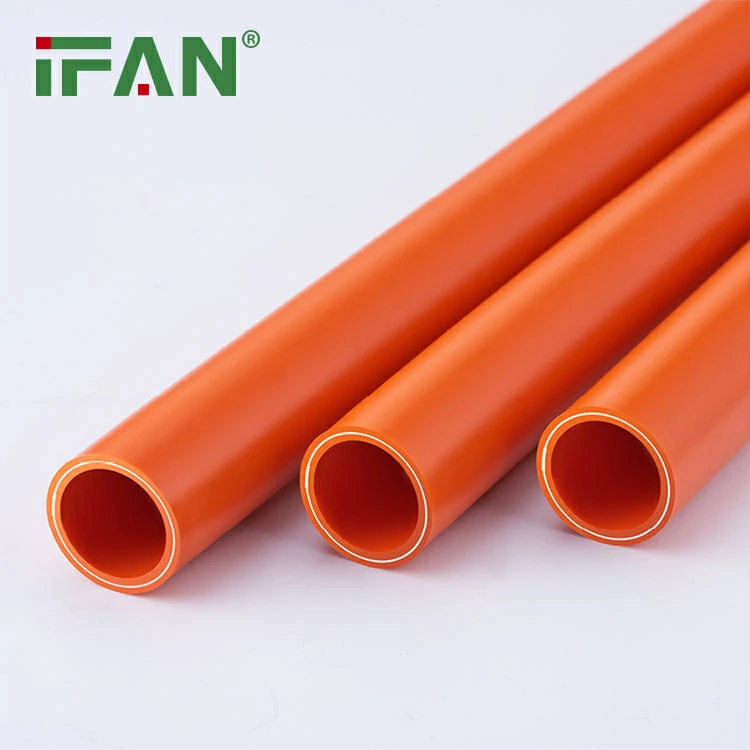
Increase Efficiency with Reliable PEX Fittings
Introduction:
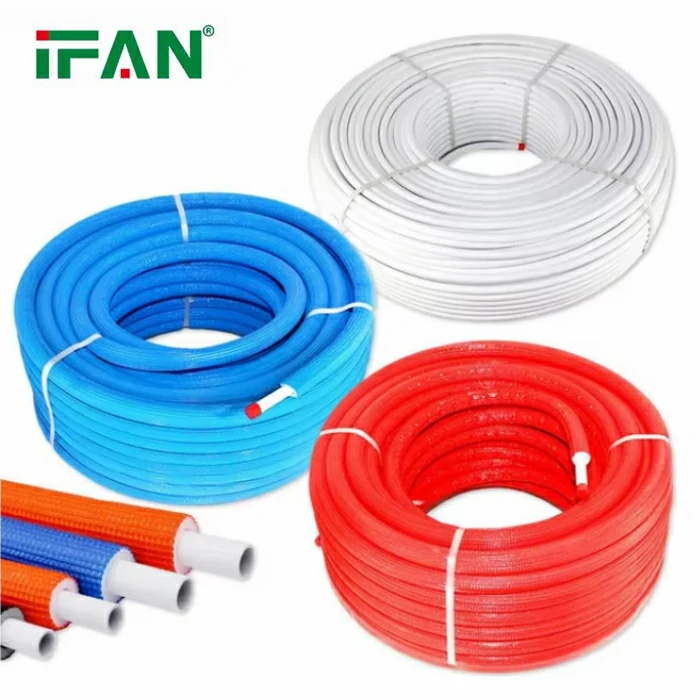
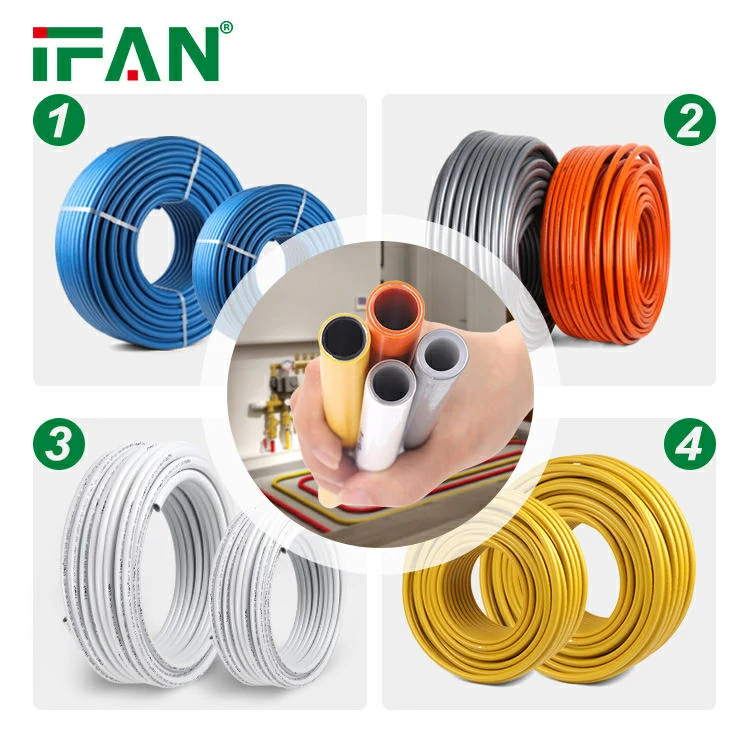
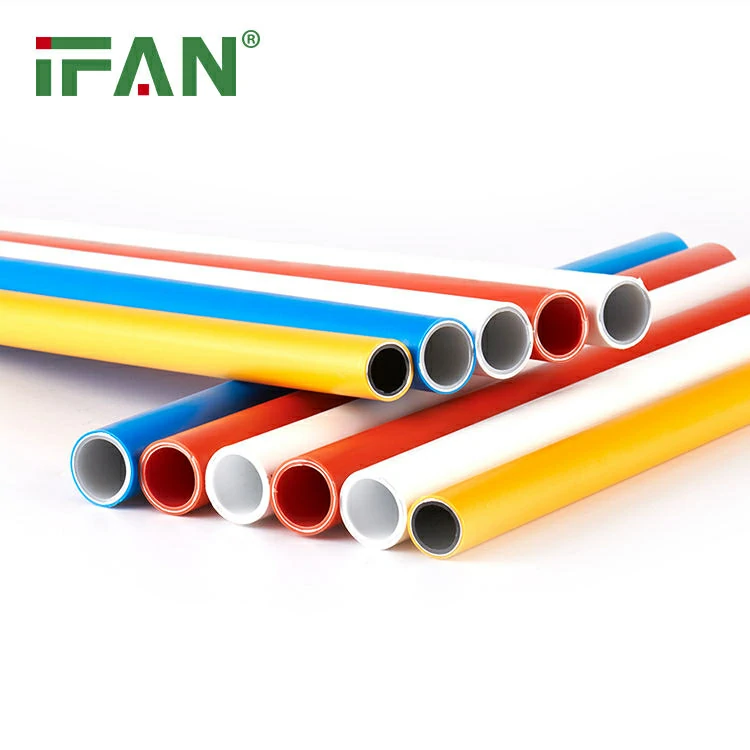
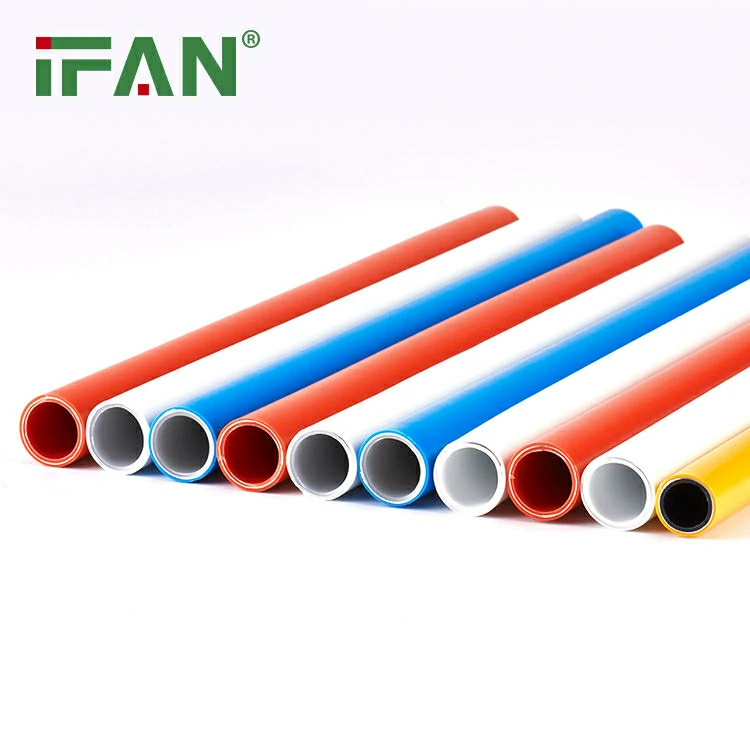
PEX plumbing systems have grown increasingly popular due to their versatility and ease of installation. The acronym PEX stands for cross-linked polyethylene, a flexible, durable, and reliable material that can handle high pressure and high temperatures. PEX pipes and fittings have many advantages over traditional copper or PVC pipes. In this article, we will discuss how reliable PEX fittings can increase efficiency in plumbing systems.
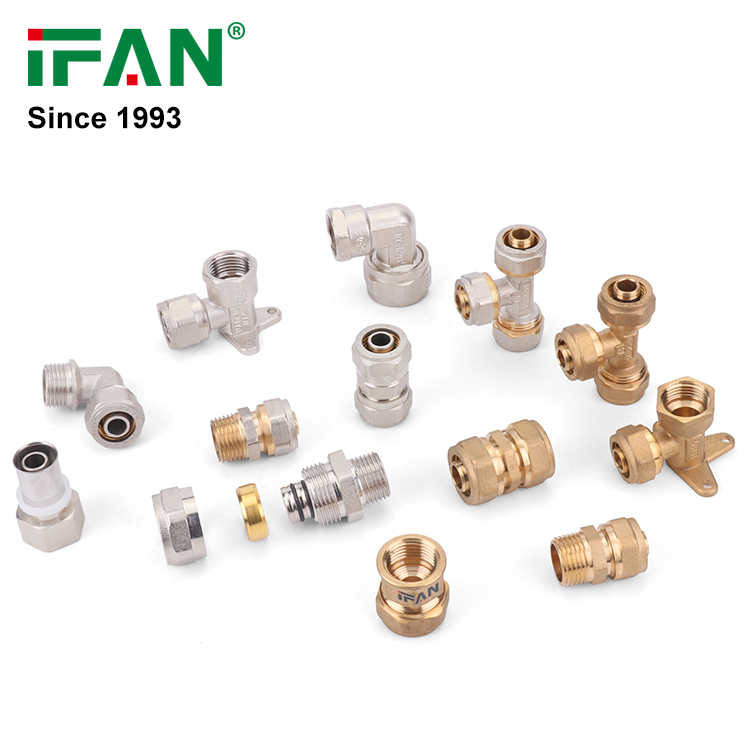
Benefits of PEX Fittings:
- Easy Installation: PEX fittings can be easily installed without the use of soldering or messy adhesives. The fittings are simply crimped onto the PEX pipes using specialized tools, resulting in a tight, leak-free seal. This means that the installation of PEX plumbing systems is faster compared to traditional systems.
- Durability: PEX fittings are made from high-quality materials that can withstand extreme temperatures and pressures. They are resistant to corrosion and chemical degradation, making them ideal for use in harsh environments such as industrial facilities.
- Efficiency: PEX fittings have smooth interior surfaces that reduce friction in the pipes, resulting in a more efficient flow of water. This can help reduce energy consumption and lower utility bills.
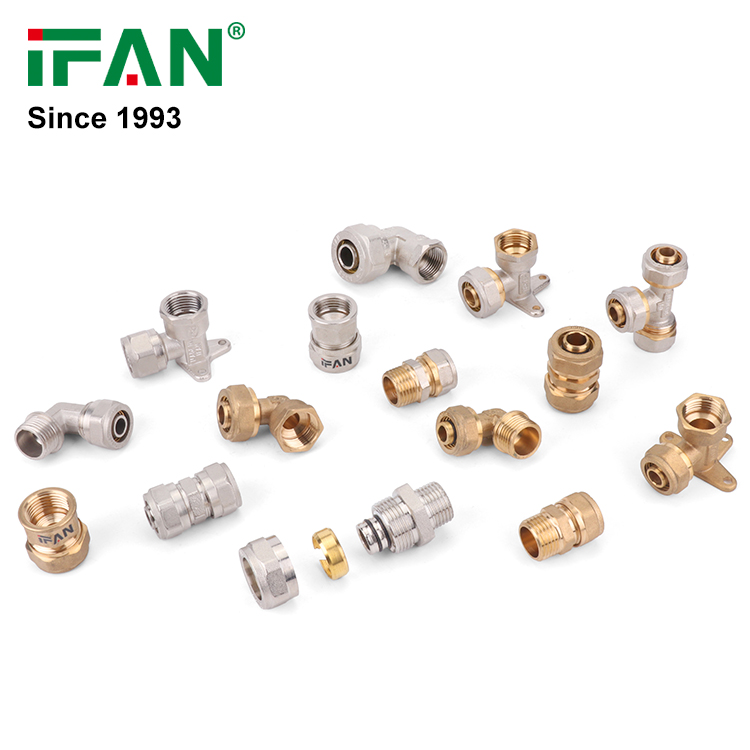
- Versatility: PEX fittings can be used for both hot and cold water systems, making them a suitable option for any plumbing application. They are also ideal for use in areas where space is limited, as they can be bent and shaped to fit into tight spaces.
- Cost-Effective: PEX fittings are generally less expensive than traditional copper or PVC fittings, making them a cost-effective option for plumbing installations. They are also easier and faster to install, which can result in significant cost savings on labor.
Conclusion:
Reliable PEX fittings are an excellent choice for plumbing installations due to their ease of installation, durability, efficiency, versatility, and cost-effectiveness. By using PEX fittings, contractors and homeowners can increase the efficiency of their plumbing systems and save money on installation and energy costs.