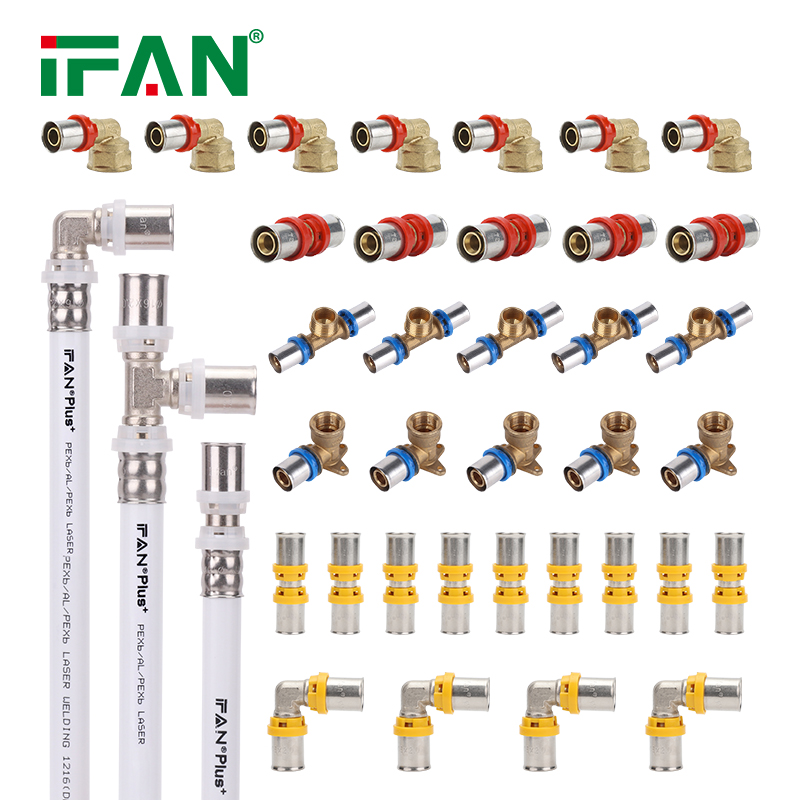
PPR Pipes and Fittings: Keeping Homes and Businesses Running Smoothly
Introduction
Choosing the right pipes and fittings is crucial for the smooth operation of any home or business. The quality of materials used directly impacts the longevity of the plumbing system, the quality of water supply, and the efficiency of the overall system. PPR (polypropylene random copolymer) pipes and fittings are rapidly replacing traditional metal and PVC pipes due to their superior properties and advantages. In this article, we will explore why PPR pipes and fittings are the smart choice for any plumbing project.
Advantages of PPR Pipes and Fittings
- Highly Durable
PPR pipes and fittings are known for their unmatched durability. These pipes can withstand high pressure and temperature, making them an ideal choice for hot water supply systems. Unlike metal pipes, PPR pipes do not rust or corrode, ensuring a long service life.
- Cost-effective
PPR pipes and fittings are relatively inexpensive compared to metal and PVC pipes. They require minimal maintenance, and the installation process is straightforward and easy. In the long run, PPR pipes and fittings can save a considerable amount of money on repair and replacement costs.
- Environmentally Friendly
PPR pipes and fittings are eco-friendly as they do not contain any harmful chemicals or heavy metals. They are 100% recyclable, reducing the carbon footprint and promoting sustainable development.
- Easy to Install
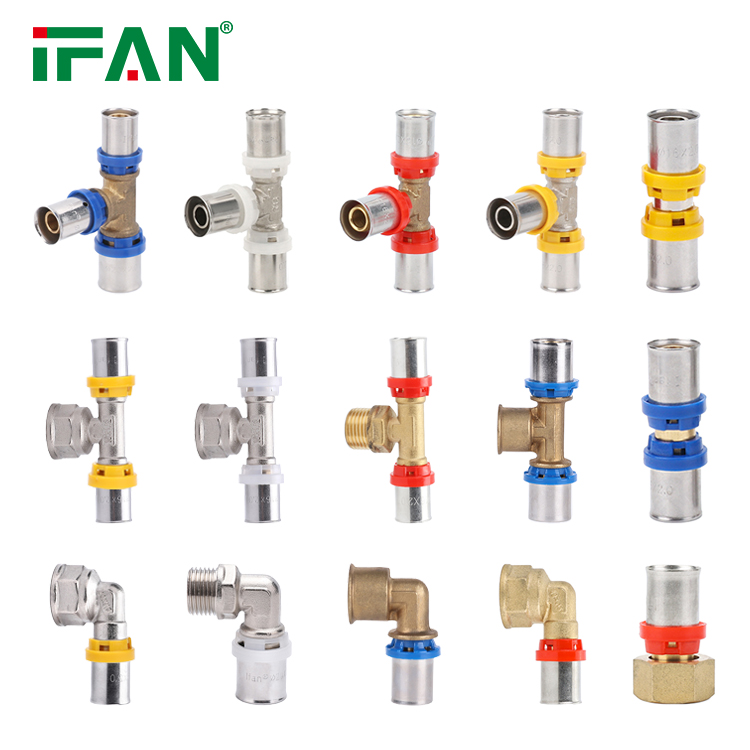
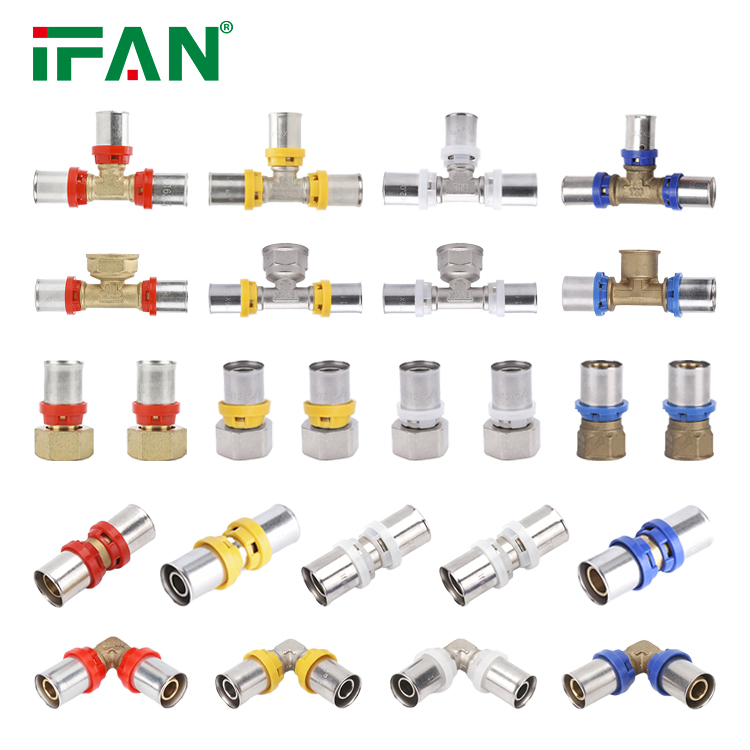
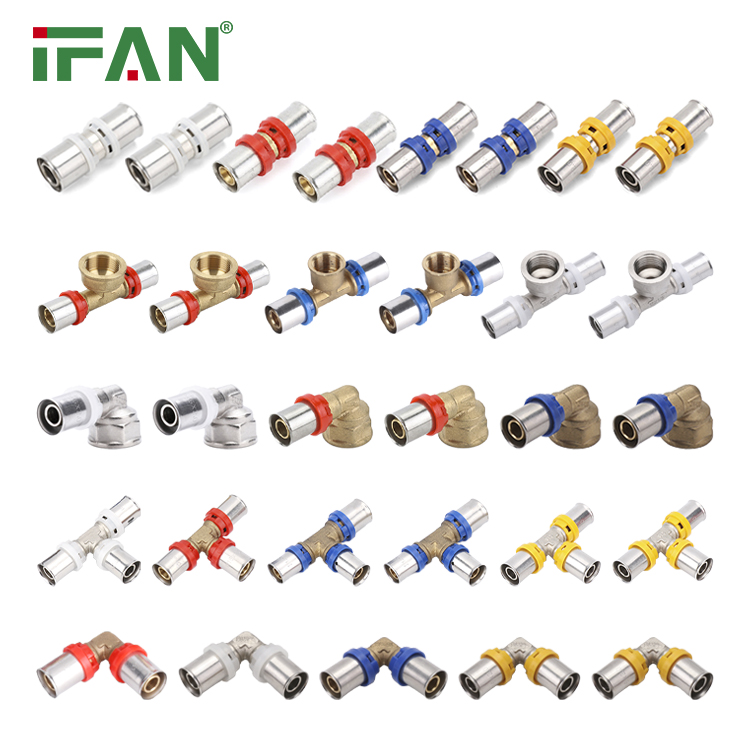
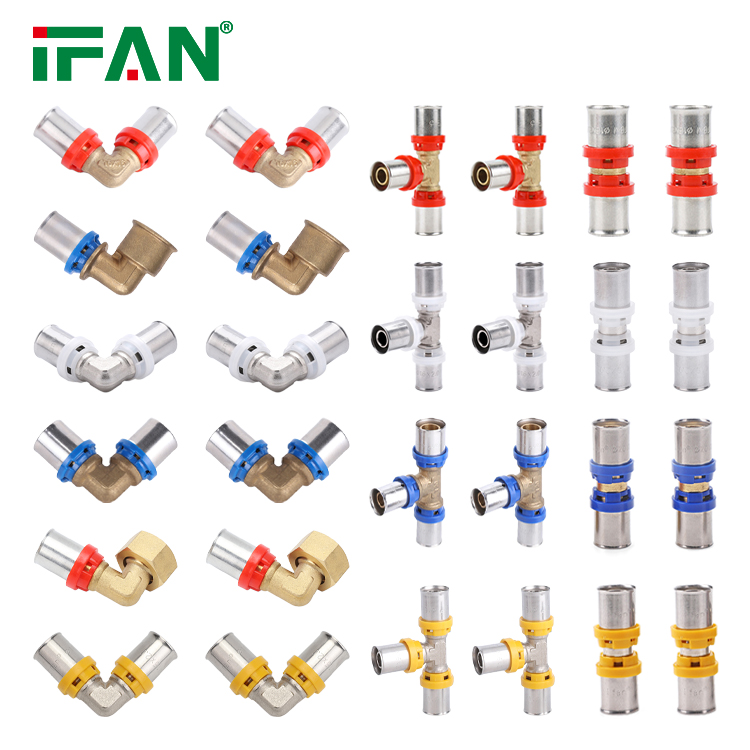
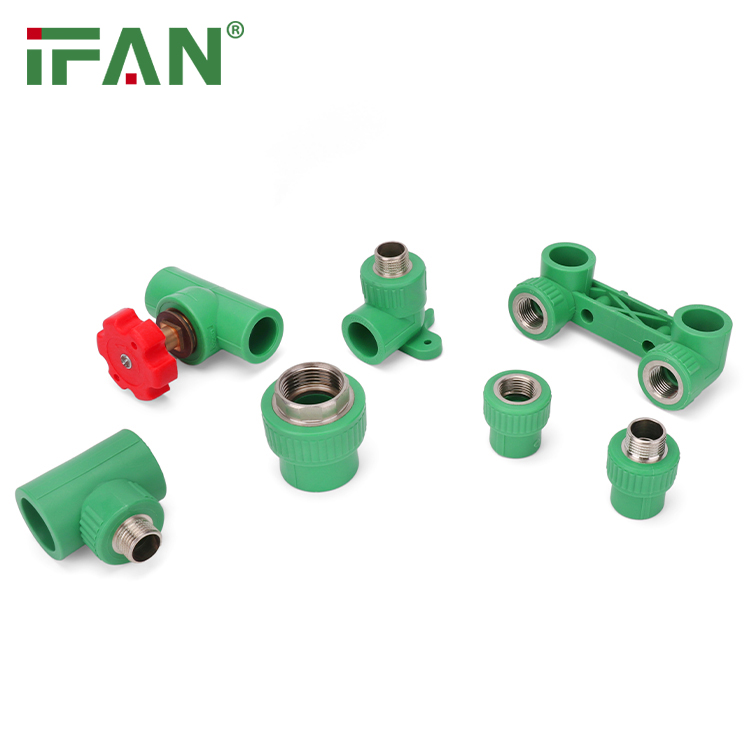
PPR pipes and fittings require no welding and are easy to install. They come with a range of fittings, including elbow, tee, union, valve, and coupling, making the installation process easier.
- Excellent Heat Resistance
PPR pipes and fittings have a high melting point, allowing them to withstand high temperatures without deformation. They maintain their shape and properties even when exposed to high temperatures.
Applications of PPR Pipes and Fittings
PPR pipes and fittings have a wide range of applications in various industries, including:
- Plumbing Systems
PPR pipes and fittings are widely used in plumbing applications such as hot and cold water supply, industrial applications, and HVAC systems.
- Chemical Industry
PPR pipes and fittings are used in chemical plants and laboratories for transporting chemicals. They are resistant to chemicals and acids, making them ideal for handling hazardous materials.
- Agriculture
PPR pipes are used in irrigation systems due to their excellent water pressure resistance and heat retention properties. They can withstand harsh weather conditions and are durable for long-term usage.
Conclusion
PPR pipes and fittings are the perfect solution for any plumbing project. Their superior durability, cost-effectiveness, and environmental friendliness make them the smart choice for both residential and commercial applications. PPR pipes and fittings are easy to install and maintain, ensuring a long service life and minimal downtime. So, the next time you plan a plumbing project, make sure to choose PPR pipes and fittings that keep homes and businesses running smoothly.
If you’re looking for high-quality PPR pipes and fittings, contact us today. Our knowledgeable team can help you choose the right products for your project and ensure a hassle-free installation.