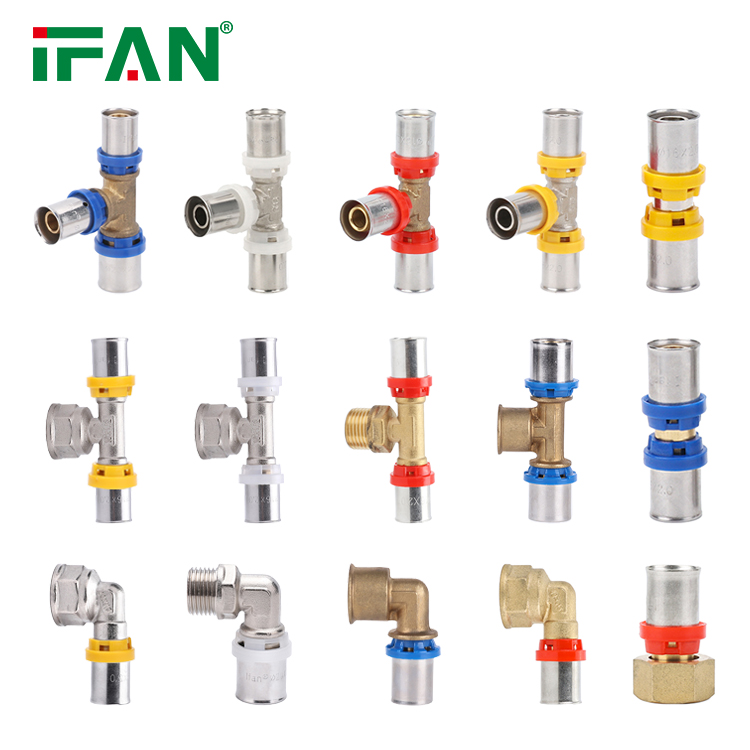
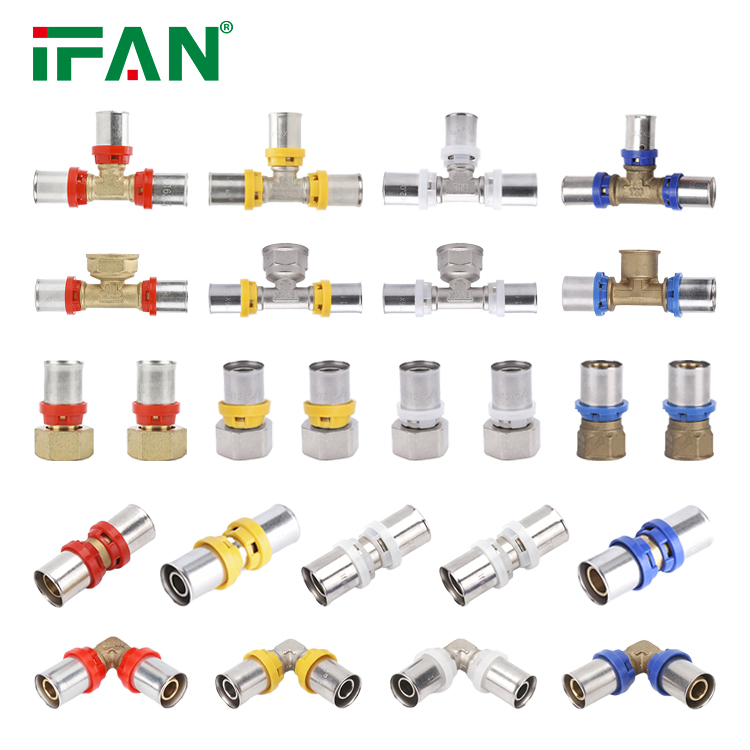
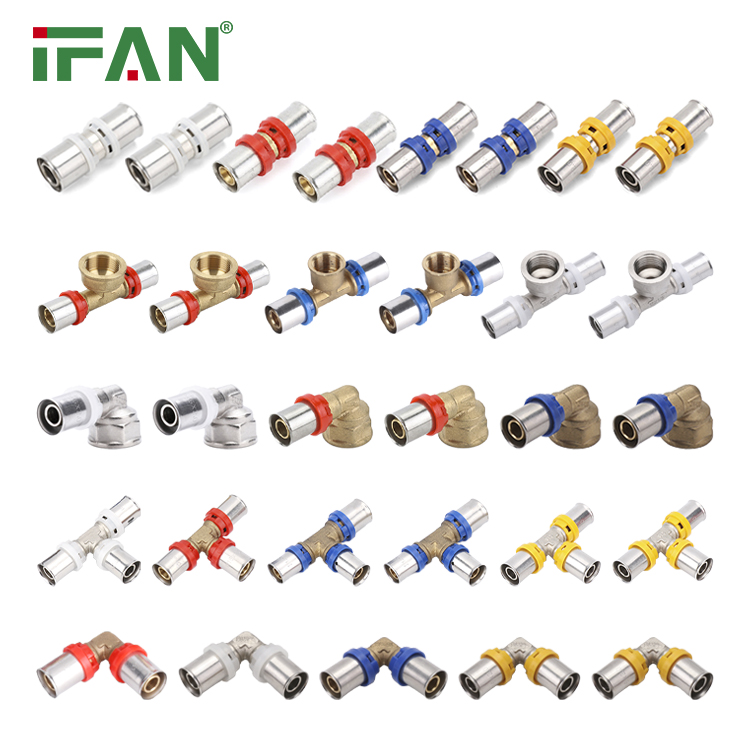
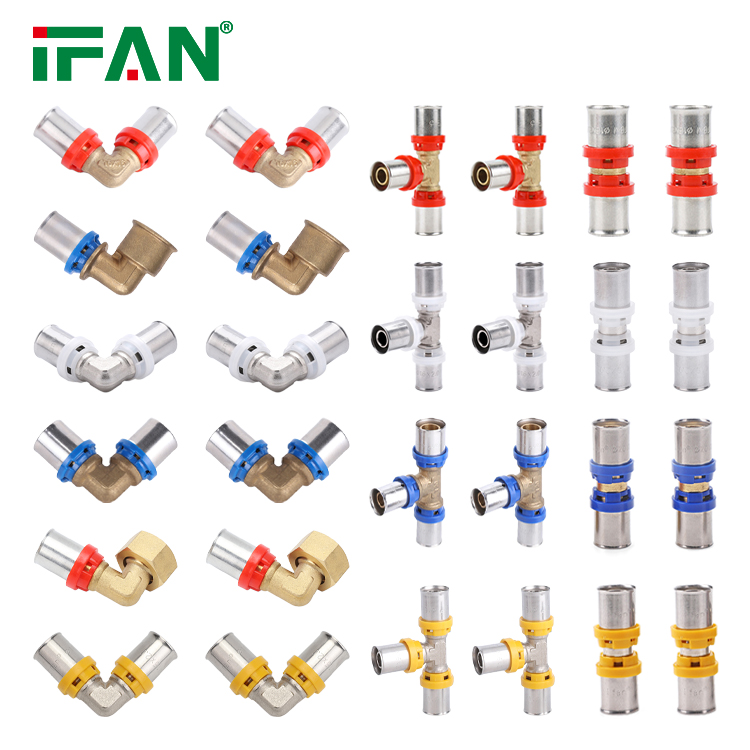
PPR Pipes and Fittings: The Ideal Choice for Heating and Cooling Systems
Introduction
Heating and cooling systems have become an essential part of most buildings in our modern world. Whether a building is used for commercial or residential purposes, people expect comfortable temperatures and a controlled environment. PPR pipes and fittings are an excellent choice for these systems, and in this article, we will be discussing their characteristics and advantages.
What are PPR Pipes and Fittings?
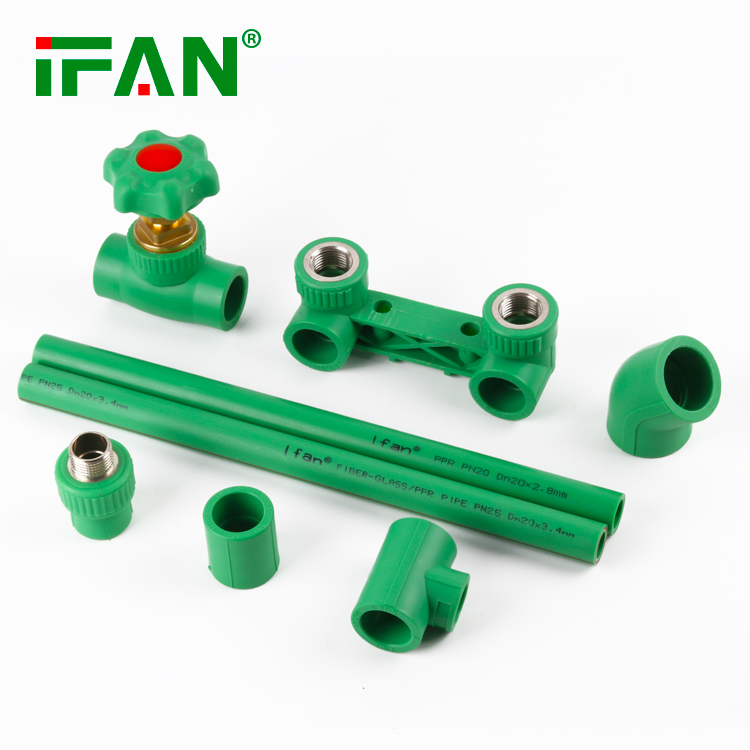
Polypropylene Random Copolymer, or PPR, is a thermoplastic material that is widely used in pipelines for conveying fluids. PPR pipes and fittings offer numerous advantages over traditional materials such as copper and steel, including improved chemical resistance and reduced thermal conductivity. PPR pipes and fittings are also more environmentally friendly and able to withstand higher temperatures, which makes them ideal for heating and cooling systems.
Advantages of PPR Pipes and Fittings
- Excellent Chemical Resistance
PPR pipes and fittings offer excellent chemical resistance, making them ideal for use in applications where the fluid being conveyed might be corrosive. This quality is particularly valuable in a heating or cooling system where the fluid is often chemical-based. - Durable and Long-Lasting
PPR pipes and fittings offer superior durability and a longer lifespan than other materials. They are resistant to abrasion and impact, making them less prone to damage during installation. This quality also means that they are less likely to require repairs or replacements over time, making them a cost-effective choice in the long run. - Low Thermal Conductivity
PPR pipes and fittings have a low thermal conductivity. This characteristic means that they can trap heat better than copper or steel pipes, reducing heat loss and increasing energy efficiency in the system. The low thermal conductivity also means that the temperature of the fluid being conveyed is maintained more efficiently, and this helps to prevent sudden temperature changes that can be problematic in some cooling systems. - Easy to Install
PPR pipes and fittings are also easy to install. They are lightweight, making them easier to transport and install. Additionally, they are flexible, and this makes them a good choice for installations in hard-to-reach areas or where complex piping systems are needed.
Conclusion
PPR pipes and fittings offer numerous advantages over traditional materials, and they are an excellent choice for heating and cooling systems. They are durable, have excellent chemical resistance, are energy-efficient, and easy to install. For all of these reasons, PPR pipes and fittings are an ideal choice that should be considered for any heating and cooling application.
If you’re looking for high-quality PPR pipes and fittings, be sure to choose a reputable supplier with a proven track record of excellence. When you make the right selection, you can be confident in your choice, and you will enjoy the numerous benefits that PPR pipes and fittings can bring.