The Longevity of Brass Fittings for Electrical Systems
If you’re in the market for fittings for your electrical system, you may be wondering which material is best. Brass is an excellent choice, and for good reason. Brass fittings offer a host of benefits that make them ideal for use in electrical systems.
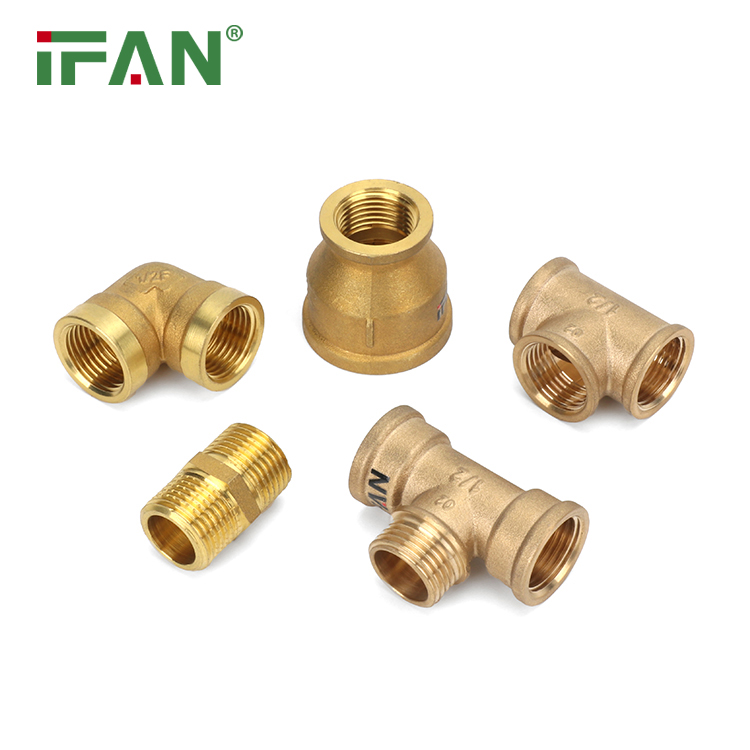
First and foremost, brass is incredibly durable, making it an excellent choice for fittings that need to withstand the test of time. Unlike other materials, brass will not rust or corrode, ensuring that your fittings will remain in good condition for years to come. This is particularly important for fittings in high-humidity areas or where exposure to moisture is a concern.
In addition to their durability, brass fittings offer excellent electrical conductivity. This means that they create a strong connection between wires and components, ensuring that the electrical system runs smoothly and efficiently. This is particularly important in applications where a strong, reliable electrical connection is critical to the system’s overall effectiveness.
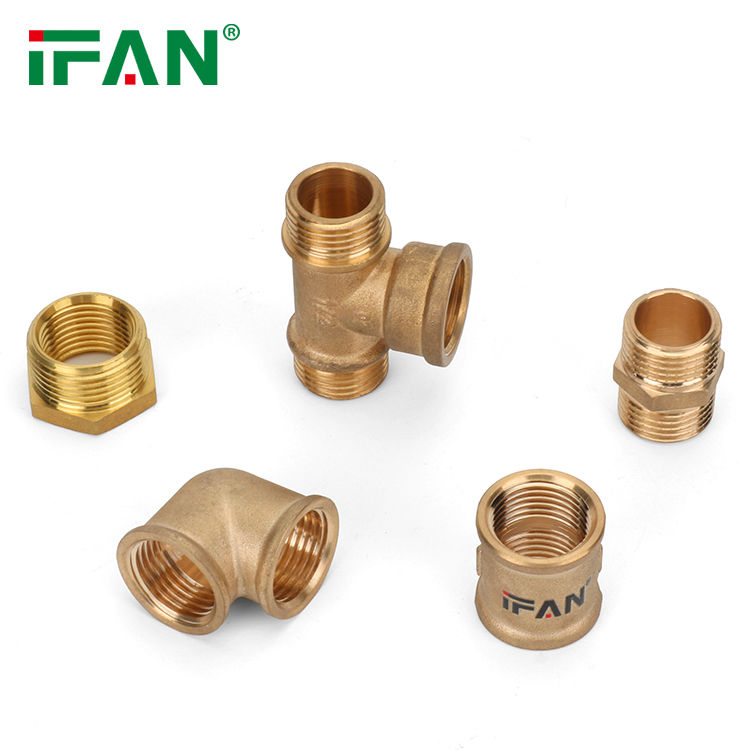
Another advantage of brass fittings is their inherent resistance to heat. This makes them an excellent choice for use in high-temperature environments, such as in industrial settings or in the engine compartments of vehicles. Unlike other materials, brass fittings will not warp or deform when exposed to high temperatures, ensuring that they will remain in good condition over time.
But perhaps the most important advantage of brass fittings is their affordability. Compared to other materials, such as stainless steel or aluminum, brass is an incredibly cost-effective choice. This means that you can achieve the same level of quality and durability as more expensive materials, but at a fraction of the cost.
In summary, if you’re looking for fittings for your electrical system, brass is an excellent choice. Its durability, electrical conductivity, heat resistance, and affordability make it an ideal material for use in a variety of applications. So if you want to ensure that your electrical system runs smoothly and effectively for years to come, consider brass fittings.
Take action now and choose brass fittings for your electrical system!