Introduction
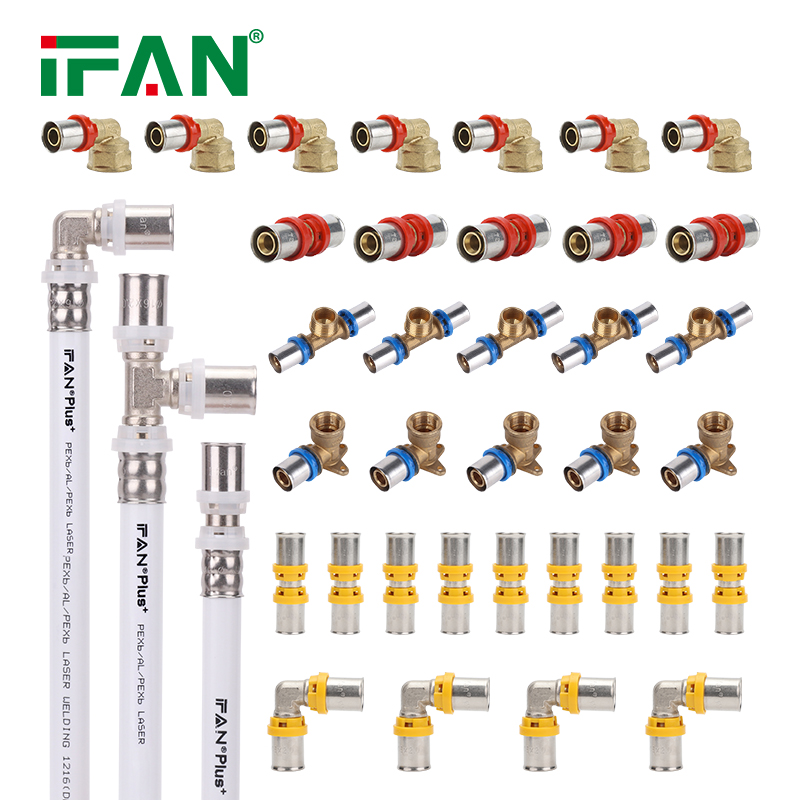
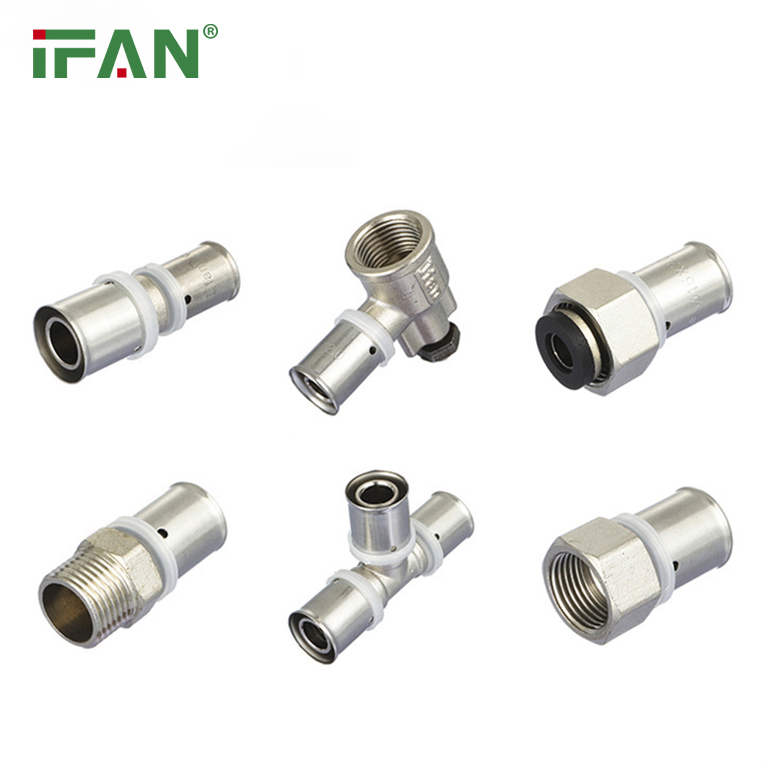
For homeowners looking to tackle plumbing projects, modern PEX press fittings have revolutionized DIY water line installations. Unlike traditional copper pipes that require soldering, PEX systems offer an easier, more forgiving solution for DIYers. This guide will walk you through everything you need to know about installing DIY-friendly water lines using PEX press fittings, including tools, techniques, and cost-saving tips.
Why PEX Press Fittings Are Perfect for DIY Plumbing
1. No Specialized Skills Required
- No soldering needed (unlike copper)
- Simple press connections (vs. tricky crimp rings)
- Forgiving installation (PEX bends easily around obstacles)
2. Faster & Cleaner Than Traditional Methods
- Press tools create instant, leak-proof seals
- No open flames (safer for home projects)
- Minimal mess compared to PVC glue or solder
3. Cost-Effective for Homeowners
- Lower labor costs (do it yourself)
- Reusable tubing (if mistakes happen)
- Long-term durability (resists corrosion/scale)
Tools You’ll Need for PEX Press Fittings
| Tool | Purpose | Budget Option | Pro Option |
|---|---|---|---|
| PEX Cutter | Clean cuts for leak-free seals | Manual PEX cutter (~$15) | Auto-cut ratcheting tool (~$50) |
| Press Tool | Secures fittings instantly | Manual press jaws (~$100) | Battery-powered press tool (~$400+) |
| Deburring Tool | Smooths pipe edges (for copper hybrids) | Basic deburrer (~$10) | Multi-tool attachment |
| Go/No-Go Gauge | Verifies crimp integrity (if using crimp rings) | Included in some kits | Standalone gauge (~$10) |
Step-by-Step: Installing PEX Press Fittings
1. Plan Your Layout
- Sketch your pipe runs (avoid sharp bends)
- Measure twice to minimize cuts
- Locate shutoff valves first
2. Cut PEX Tubing
- Use a sharp PEX cutter (no saws – they leave burrs)
- Ensure straight cuts for proper sealing
3. Prepare Fittings
- Slide PEX press fittings onto tubing
- For copper transitions, deburr pipe ends first
4. Press the Connection
- Align press tool jaws over fitting
- Squeeze handle (or trigger, if battery-powered)
- Listen/feel for “click” confirming seal
5. Test Your System
- Pressurize lines to 50 PSI and check for leaks
- Inspect all fittings before closing walls
PEX Press Fittings vs. Other DIY Options
| Feature | PEX Press | PEX Crimp | CPVC | Copper |
|---|---|---|---|---|
| Skill Level | Beginner | Intermediate | Beginner | Expert |
| Tool Cost | $$$ (press tool) | $ (crimp tool) | $ (glue) | $$$ (torch) |
| Install Speed | Fastest | Moderate | Slow | Slowest |
| Freeze Resistance | Best | Best | Poor | Fair |
Winner for DIYers: PEX press fittings balance ease of use and professional results.
5 Common Mistakes to Avoid
- Using dull cutters (causes leaks)
- Over-pressing fittings (can damage O-rings)
- Mixing fitting types (stick to one brand/system)
- Forgetting pipe insulation (prevents freezing)
- Skipping pressure tests (find leaks early)
5 FAQs About DIY PEX Press Fittings
1. Can I connect PEX directly to my water heater?
Yes, but use 18″ of copper or heat-resistant PEX-AL-PEX near the heater to meet code.
2. Do press fittings work with all PEX types?
Most work with PEX-A/B/C, but check manufacturer specs – some require PEX-B for press systems.
3. How long do PEX press fittings last?
50+ years – same lifespan as the tubing when installed correctly.
4. Can I bury PEX press fittings in concrete?
Yes, but wrap them in foam to allow for expansion and prevent abrasion.
5. Are press tools worth buying for one project?
Consider renting (~$50/day) or using manual press jaws for small jobs.
Final Tips for DIY Success
- Buy 10% extra fittings for mistakes
- Label lines (hot/cold) before closing walls
- Watch manufacturer videos for tool-specific tips
Time to Upgrade Your Plumbing!
With PEX press fittings, DIY water line projects are more accessible than ever. Whether you’re adding an outdoor faucet or repiping your bathroom, this system gives you professional reliability without pro-level skills.
Have questions? Share your DIY plumbing experiences below!