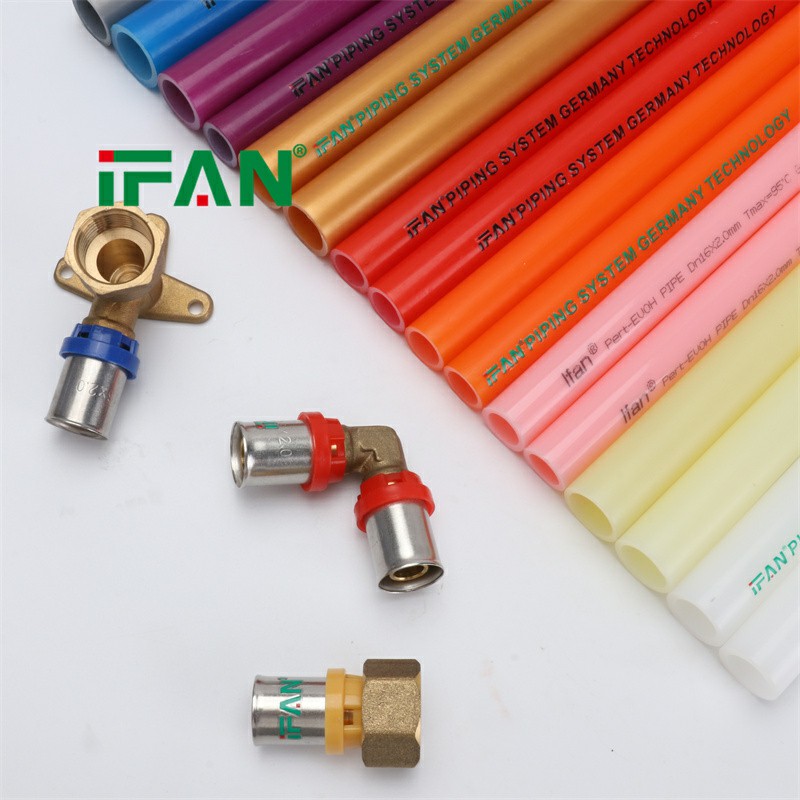
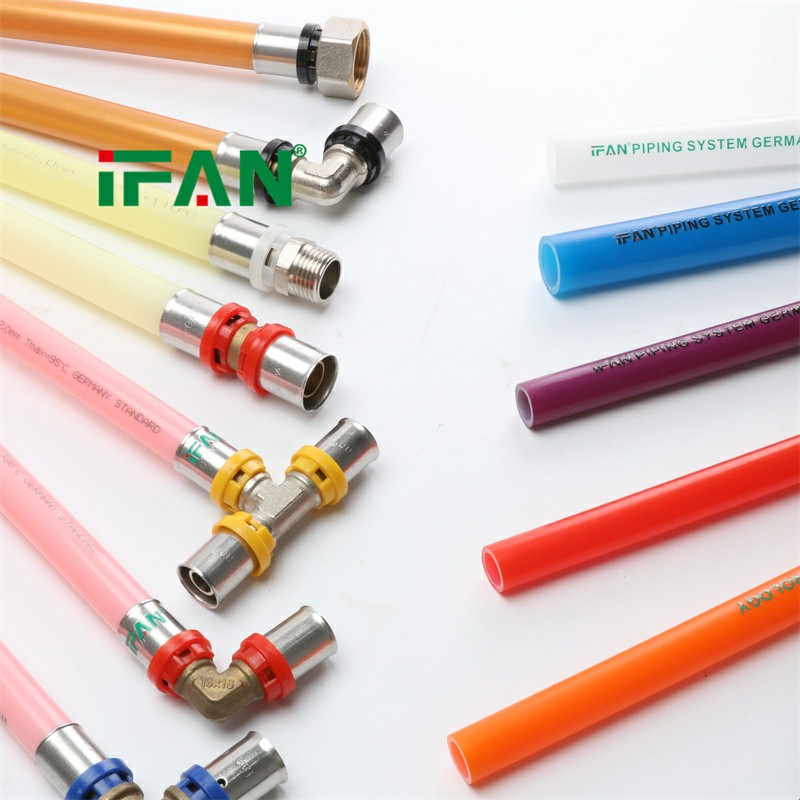
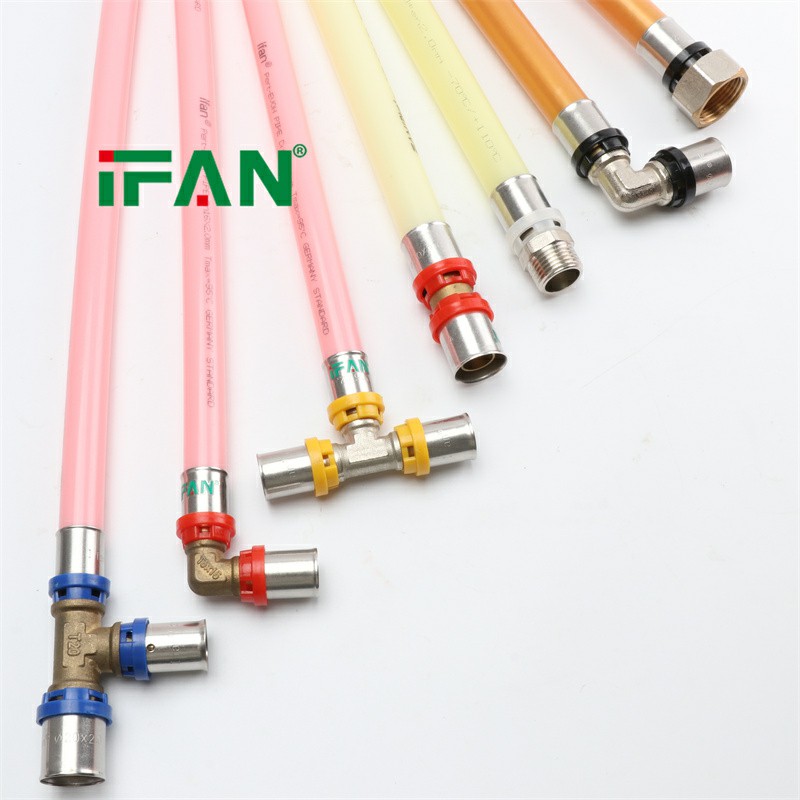
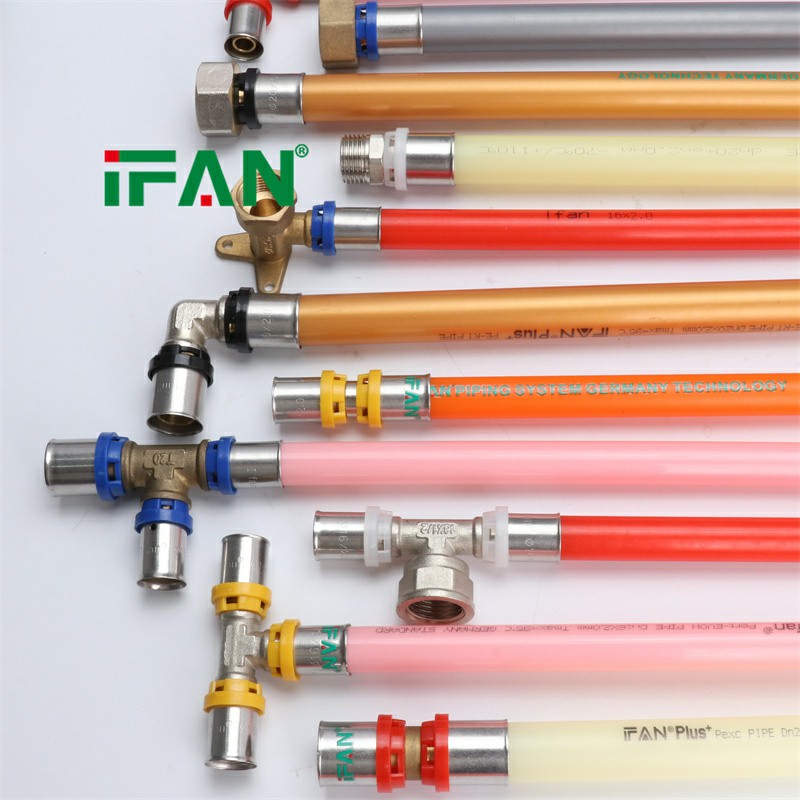
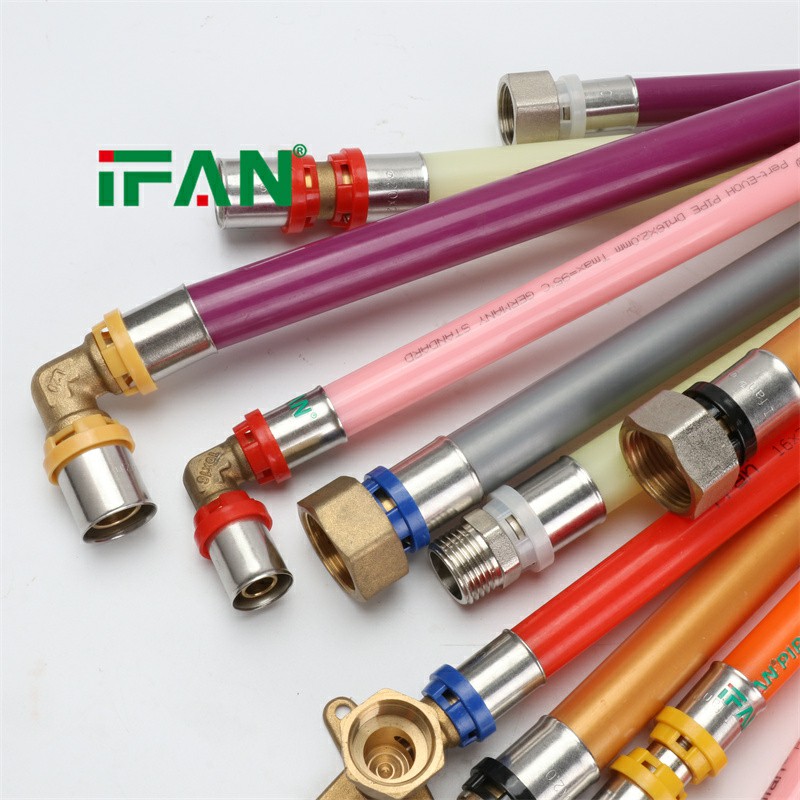
The advent of pipe press fittings has revolutionized modern plumbing, offering a faster, safer, and more reliable alternative to traditional methods like soldering or manual crimping. Connecting PEX tubing using this technology might seem daunting, but with the right tools and knowledge, it’s a straightforward process that yields professional, long-lasting results. This comprehensive guide will walk you through everything you need to know about connecting PEX with press fittings.
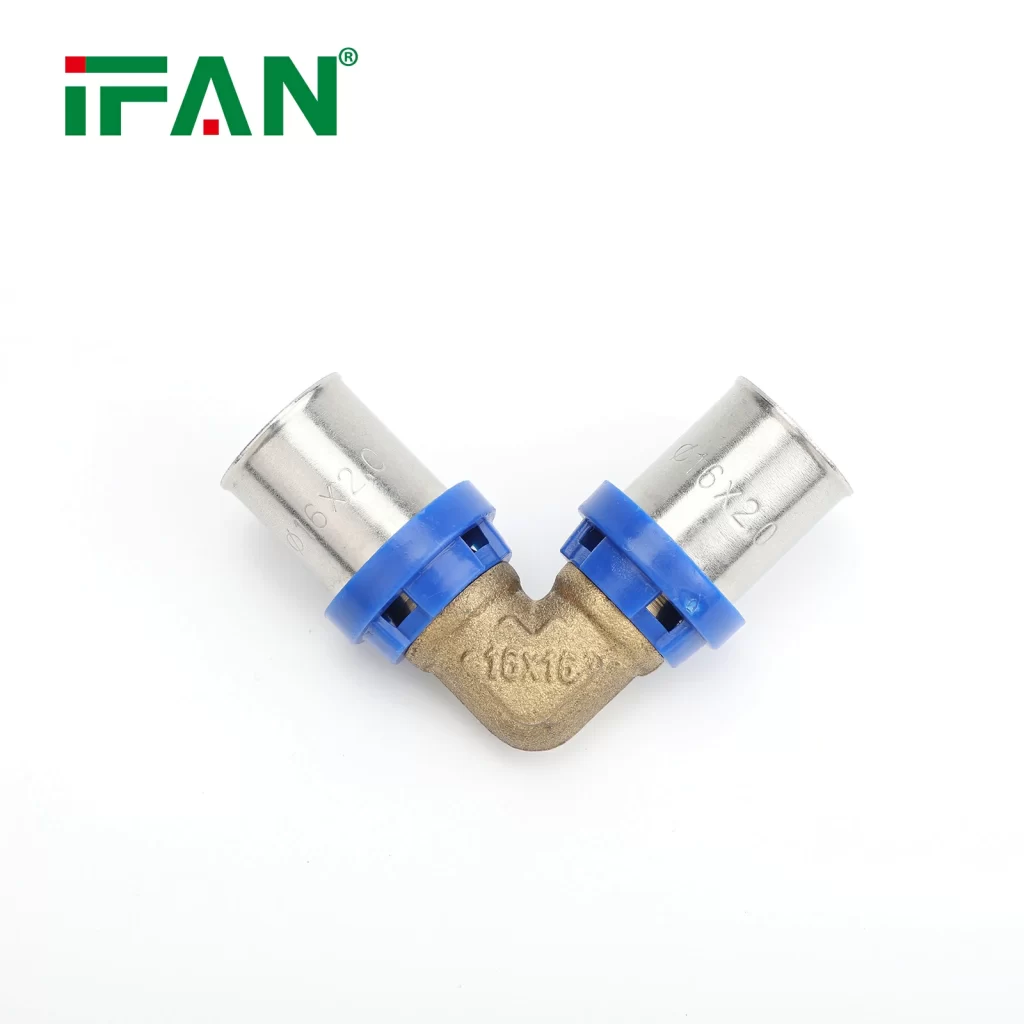
What Are PEX Press Fittings?
PEX press fittings are specialized connectors that join PEX tubing using a pressing mechanism. Unlike expansion or crimp systems, press fittings utilize a built-in stainless steel sleeve and an EPDM O-ring. A battery-powered press tool is used to compress the sleeve around the tube, creating a permanent, leak-proof seal in seconds. This method is part of the broader pipe press fittings category, known for its efficiency and reliability across various piping materials.
Advantages of Using Press Fittings for PEX
- Speed and Efficiency: Pressing a fitting takes mere seconds compared to minutes for soldering or manual crimping. This dramatically reduces labor time and project costs.
- Superior Reliability: The press tool applies uniform, calibrated pressure every time, eliminating human error and ensuring a perfect 360-degree seal. This consistency is hard to achieve with manual methods.
- Enhanced Safety: The process is cold and requires no open flame, eliminating fire hazards and making it safe to use in tight, dry, or sensitive spaces.
- Versatility: Press systems can be used in wet conditions and are ideal for retrofits and repairs where soldering is impractical or dangerous.
- Professional Results: Even with minimal experience, users can achieve factory-quality connections that are guaranteed to last.
Tools and Materials Required
Before you begin, ensure you have the following:
- PEX Press Fittings: Use fittings from a reputable manufacturer (e.g., Viega, Uponor).
- Press Tool: A battery-powered press tool (e.g., from Viega, Milwaukee, or RIDGID) with compatible jaws.
- PEX Tube Cutter: For making clean, square cuts.
- Deburring Tool: To remove any sharp edges from the cut tube.
- Go/No-Go Gauge: To verify the integrity of the press after completion.
Step-by-Step Guide to Connecting PEX Press Fittings
Step 1: Plan and Prepare
Plan your pipe run carefully, accounting for bends and fittings. Ensure the PEX tubing and fittings are compatible and rated for the intended application (e.g., potable water, heating).
Step 2: Cut the PEX Tubing
Use a sharp, dedicated PEX tube cutter to make a clean, square cut. A straight cut is critical for a proper seal. Avoid using regular saws, as they can leave burrs or an angled cut.
Step 3: Deburr the Tube
Use a deburring tool to remove any internal and external sharp edges from the cut end. This ensures the tube slides smoothly into the fitting and doesn’t damage the O-ring.
Step 4: Inspect and Mark
Inspect the fitting and tube for any debris or damage. Ensure the O-ring is present and properly seated. Mark the insertion depth on the tube using a depth gauge or marker to ensure it is fully seated in the fitting.
Step 5: Insert the Tube
Push the PEX tube into the press fitting until it bottoms out. You should feel it reach the stop inside the fitting. Verify that the insertion depth mark is flush with the end of the fitting.
Step 6: Press the Fitting
Place the correct jaw size of the press tool over the fitting’s pressing contour. Ensure the tool is fully seated. Activate the tool—it will apply pressure and typically emit a beep or flash a green light when the press is complete.
Step 7: Verify the Connection
After pressing, use a go/no-go gauge to physically verify that the sleeve was compressed to the proper tolerance. This is a crucial quality control step.
Best Practices and Tips
- Avoid Dry Pressing: Never activate the press tool without a fitting and tube in place, as this can damage the jaws.
- Keep Fittings Clean: Protect fittings from dirt and debris that could compromise the O-ring seal.
- Use Manufacturer-Approved Tools: Always use the press tool and jaws designed for your specific fittings to avoid improper presses and voided warranties.
- Support the Pipe: Use clamps to support the pipe near fittings to avoid stress on the connections.
Conclusion
Connecting PEX with pipe press fittings is a modern, efficient, and highly reliable method that is accessible to both professionals and skilled DIYers. By eliminating the need for heat and reducing the potential for human error, this technology ensures perfect, durable connections every time. Whether you’re working on a new construction project or a simple repair, mastering PEX press fittings will save you time, enhance safety, and deliver professional results that stand the test of time.
Frequently Asked Questions (FAQ)
1. Can PEX press fittings be reused?
No, press fittings are single-use. Once pressed, the connection is permanent and cannot be disassembled. If a mistake is made, the fitting must be cut out and replaced with a new one.
2. Are press fittings compatible with all types of PEX tubing?
Most PEX press systems are compatible with PEX-A, PEX-B, and PEX-C tubing that meets certain dimensional standards (e.g., ASTM F876, F877). Always check the manufacturer’s compatibility chart to ensure your tubing is approved.
3. Do I need to use a go/no-go gauge every time?
While the press tool provides electronic confirmation, using a go/no-go gauge is a recommended best practice for quality control. It provides physical verification that the press was completed correctly and is especially important when learning or in critical applications.
4. What is the main difference between press and crimp systems?
Press systems use a battery-powered tool to compress a stainless-steel sleeve onto the fitting and are typically faster and more consistent. Crimp systems use a manual or powered tool to compress a copper ring and require a gauge to verify each connection.
5. Can press fittings be used for gas lines?
Some press fitting systems are certified for use with natural gas and propane applications. However, this requires specific fittings and tubing that are certified for gas. Always check local codes and manufacturer specifications before using press fittings for gas.