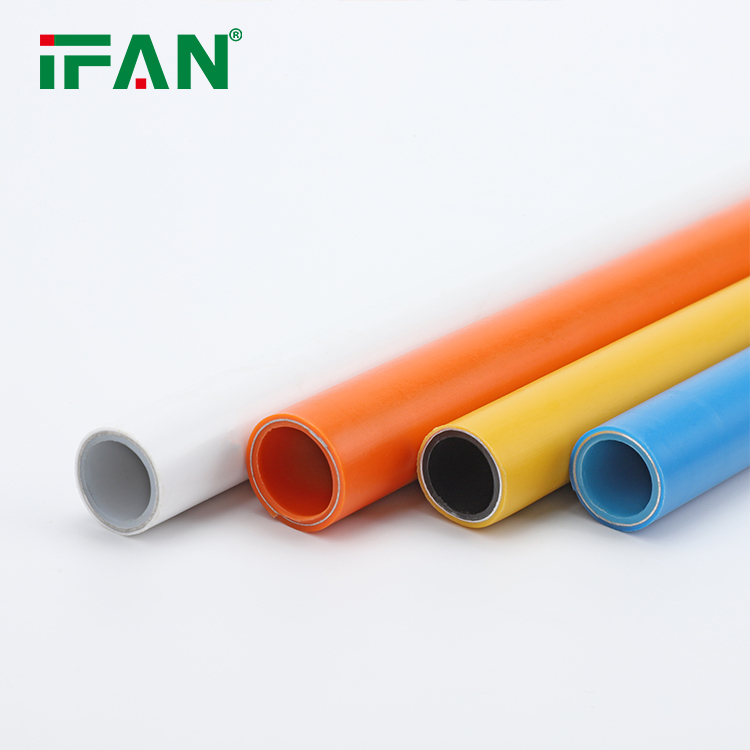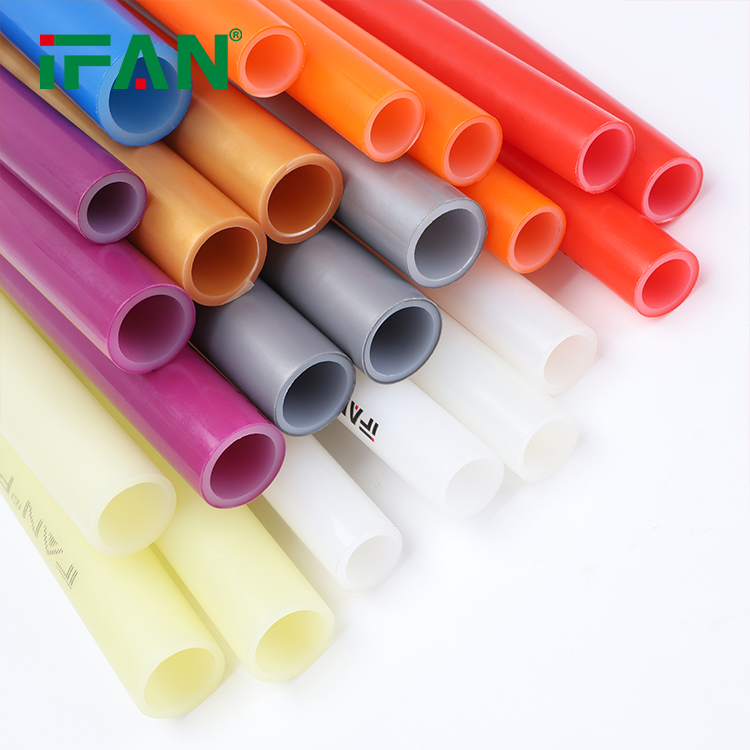
IFAN factory 30+ years manufacture experience support color /size customization support free sample.Welcome to consult for catalog and free samples.This is our Facebook Website:www.facebook.com,Click to watch IFAN’s product video.Compared with Tomex products, our IFAN products from quality to price are your best choice, welcome to buy!
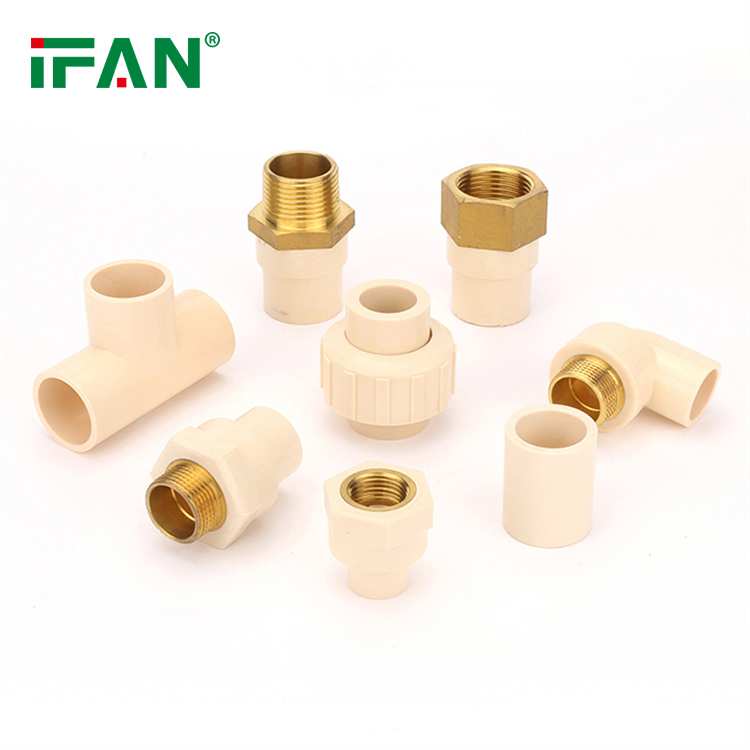
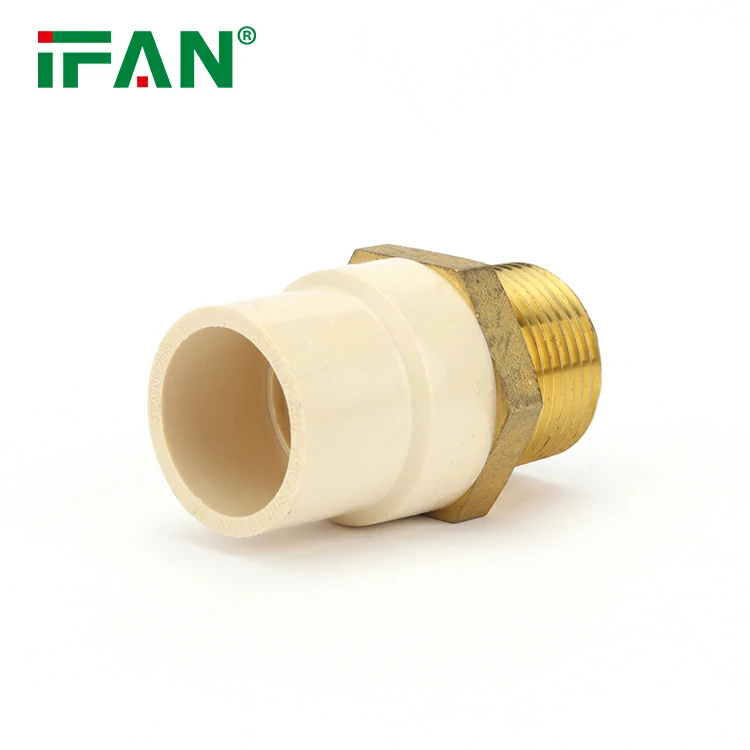
Installing CPVC (Chlorinated Polyvinyl Chloride) fittings can be straightforward, but several common mistakes can lead to leaks, failures, or reduced system efficiency. Being aware of these pitfalls and taking proactive measures can significantly improve the quality of your installation. This article outlines essential tips to avoid typical errors during the installation of CPVC fittings.
1. Proper Surface Preparation
One of the most critical steps in installing CPVC fittings is ensuring that all surfaces are adequately prepared. Before applying solvent cement, it is vital to clean both the pipe and the fitting thoroughly. Use a primer specifically designed for CPVC, which helps remove dirt, grease, and any contaminants that could interfere with the bonding process. Failing to prepare the surfaces properly may result in weak joints that can lead to leaks down the line. Always inspect the surfaces for any scratches or imperfections that could affect the seal and ensure they are smooth and clean before proceeding.
2. Using the Right Solvent Cement
Another common mistake is using the wrong type of solvent cement. CPVC fittings require a specific type of solvent cement labeled for CPVC use. It is crucial to read the product instructions carefully and select the appropriate cement based on the application conditions, such as temperature and pipe size. Using PVC cement instead of CPVC cement can compromise the integrity of the bond, leading to premature failure. Additionally, ensure that the cement is not expired, as old or improperly stored cement may lose its effectiveness.
3. Proper Application Technique
Applying solvent cement correctly is essential for creating strong, leak-free joints. A frequent error is failing to apply enough cement or applying it unevenly. When joining the pipe and fitting, use a liberal amount of cement on both surfaces and ensure complete coverage. After applying the cement, quickly insert the pipe into the fitting with a twisting motion to distribute the cement evenly. Hold the joint together for a few seconds to allow the initial bond to form. If you do not follow this procedure, gaps may form, increasing the risk of leaks.
4. Allowing Sufficient Cure Time
After installation, many installers make the mistake of not allowing sufficient cure time before putting the system under pressure. CPVC fittings require time to cure fully, and rushing this process can lead to joint failures. Refer to the manufacturer’s recommendations for curing times, which can vary based on factors like temperature and humidity. As a general rule, allow at least 30 minutes for the fittings to set before testing for leaks, and wait 24 hours for the system to reach full strength before using hot water systems.
5. Ignoring Temperature Considerations
CPVC is known for its ability to withstand higher temperatures compared to standard PVC; however, extreme temperature conditions during installation can impact the performance of the fittings. Installing CPVC fittings in very cold weather can cause the material to become brittle, while high temperatures can accelerate the curing process of the solvent cement, leading to incomplete bonds. Ideally, install CPVC fittings when temperatures are between 60°F and 100°F (15°C to 38°C). If working in extreme conditions is unavoidable, consider using heat tape or other insulating methods to maintain optimal working temperatures.
Conclusion
Avoiding common mistakes during the installation of CPVC fittings is crucial for ensuring a reliable and efficient plumbing system. By focusing on proper surface preparation, using the correct solvent cement, applying it correctly, allowing adequate curing time, and considering temperature conditions, installers can significantly reduce the risk of future issues. Taking the time to follow these guidelines will lead to a successful installation, ultimately saving time and resources in repairs and replacements. Whether you are a seasoned professional or a DIY enthusiast, adhering to these best practices will enhance the durability and performance of your CPVC piping systems.